The Path to Superior Manhood: Embracing the Ordinances of Heaven
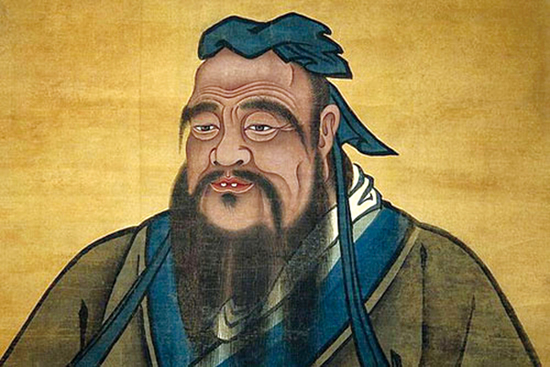
Confucius asserts that true superiority in character and virtue cannot be achieved without an acknowledgment of the ordinances of Heaven. This statement emphasizes the importance of aligning oneself with a higher moral and cosmic order, suggesting that personal excellence is intrinsically linked to an understanding of one's place within the universe. In a world often driven by individual ambition and material success, this teaching invites us to reflect on the deeper, spiritual dimensions of our lives and the responsibilities that come with them.
In this context, the ordinances of Heaven can be understood as the natural laws and moral principles that govern existence. Confucius implies that a superior man is not merely one who excels in personal achievements but one who recognizes and adheres to these universal truths. This perspective challenges us to consider how our actions resonate within the greater tapestry of life, urging us to cultivate virtues that transcend self-interest and contribute to the harmony of society.
The image / the metaphor
The phrase "ordinances of Heaven" evokes a sense of divine order and cosmic law, suggesting that there are inherent principles that guide human behavior and moral conduct. The use of the word "recognizing" implies an active engagement with these principles, rather than a passive acceptance. It invites a contemplative stance, where one must look beyond the surface of existence to grasp the deeper truths that govern our lives.
In the speaker's tradition
Within the framework of Confucianism, the concept of the ordinances of Heaven resonates with the idea of "ren," or humaneness, which emphasizes the importance of moral character and ethical relationships. This aligns with the broader notion of dharma found in other spiritual traditions, where one's duty is to act in accordance with universal principles that promote balance and harmony. Confucius's teachings encourage individuals to cultivate virtues that reflect an understanding of their responsibilities to themselves, their families, and society at large.
In the Analects, Confucius often speaks of the importance of self-cultivation and the role of the gentleman, or "junzi," who embodies these virtues. This notion parallels the Buddhist concept of "prajna," or wisdom, which also emphasizes the importance of understanding the nature of reality and acting in accordance with it. Both traditions highlight the necessity of aligning personal conduct with a higher moral order, suggesting that true fulfillment arises from this alignment.
Living the teaching
Consider a modern scenario where an individual is faced with a career decision that prioritizes personal gain over ethical considerations. In such a moment, the teaching of Confucius serves as a guiding light, prompting the individual to reflect on the ordinances of Heaven and the broader implications of their choices. By recognizing the interconnectedness of their actions and the potential impact on others, they may choose a path that aligns with virtue and contributes to the greater good, even at the cost of immediate personal advantage.
In relationships, this teaching can manifest in moments of conflict or misunderstanding. When faced with a disagreement, one might recall the importance of recognizing the ordinances of Heaven, which encourages empathy and understanding. By stepping back and considering the shared humanity and interconnectedness that bind us, individuals can navigate their differences with grace and compassion, fostering deeper connections and a more harmonious environment.
A reflection
As we contemplate Confucius's assertion that "without recognizing the ordinances of Heaven, it is impossible to be a superior man," we are invited to reflect on our own lives. How do we engage with the moral and cosmic principles that govern our existence? In what ways can we cultivate a deeper awareness of our responsibilities to ourselves and to others, aligning our actions with the greater good? This contemplation can serve as a powerful catalyst for personal growth and transformation.


