Embracing the Impersonal Nature of Our Emotions
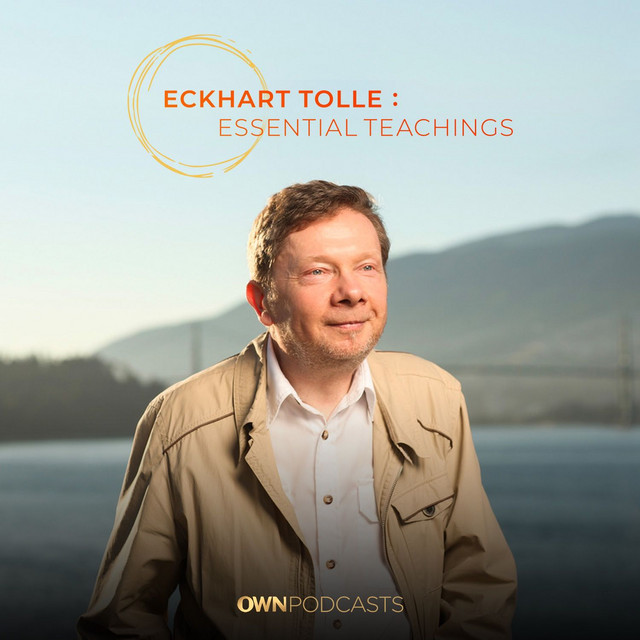
Eckhart Tolle's assertion that "boredom, anger, sadness, or fear are not 'yours,' not personal. They are conditions of the human mind" invites us to reconsider our relationship with our emotions. This perspective challenges the deeply ingrained belief that our feelings are intrinsic to our identity, suggesting instead that they are transient states that arise within the broader context of human experience. Understanding this distinction is crucial, as it allows us to cultivate a sense of detachment and awareness, freeing us from the shackles of emotional ownership.
In a world where personal identity is often intertwined with emotional states, Tolle's insight serves as a liberating reminder. By recognizing that emotions are not personal possessions but rather universal conditions, we can begin to observe them without judgment or attachment. This shift in perspective not only alleviates suffering but also opens the door to deeper self-awareness and compassion for ourselves and others. The implications of this understanding extend far beyond individual experiences, touching upon the collective human condition.
The image / the metaphor
The imagery in Tolle's quote evokes a sense of fluidity and impermanence. Emotions like boredom, anger, sadness, and fear are depicted as conditions rather than fixed attributes, suggesting that they ebb and flow like the tides. The verbs chosen—"are" rather than "belong"—imply a state of being that is external to our core selves. This distinction creates a felt sense of liberation, as we begin to see these emotions as passing clouds in the vast sky of consciousness rather than as storms that define our existence.
Diving deeper into this metaphor, we can envision our emotional landscape as a vast ocean, where waves of various feelings rise and fall. Just as the ocean remains unchanged despite the tumultuous waves on its surface, our true essence remains untouched by the transient nature of our emotions. This understanding invites us to cultivate a witness consciousness, allowing us to observe our emotional states without becoming entangled in them. In doing so, we can navigate the complexities of our inner world with greater ease and clarity.
In the speaker's tradition
Tolle's teachings are deeply rooted in the non-dual tradition, which emphasizes the interconnectedness of all beings and the illusion of separateness. Concepts such as *sunyata* (emptiness) and *fana* (annihilation of the self) resonate with his assertion that emotions are not personal. In this context, the recognition that our feelings are not uniquely ours aligns with the understanding that the self is an illusion, a construct shaped by societal and personal narratives. This perspective encourages us to transcend the ego and embrace a more expansive view of our existence.
A relevant text that echoes this sentiment is the *Heart Sutra*, which teaches that form is emptiness and emptiness is form. This profound realization invites us to see that our emotional experiences, while real, are not the essence of who we are. By embracing the impermanence of emotions, we align ourselves with the fundamental truths of existence, fostering a deeper connection to the world around us and to the shared human experience.
Living the teaching
Consider a modern scenario where this teaching can be applied: imagine a day at work filled with frustration and stress. Instead of identifying with the anger that arises from a difficult colleague or a looming deadline, one can pause and recognize that these feelings are simply conditions of the mind. By stepping back and observing the emotions as they arise, we can create space for a more constructive response, allowing us to engage with the situation from a place of clarity rather than reactivity.
This teaching can also be transformative in personal relationships. When faced with sadness or fear in the context of a loved one’s struggles, we might instinctively take on those emotions as our own. However, by recognizing that these feelings are not personal but rather part of the shared human experience, we can approach our loved ones with empathy and support, rather than becoming overwhelmed by their emotional states. This practice of detachment fosters healthier connections and allows for a more compassionate engagement with both ourselves and others.
A reflection
As we contemplate Tolle's profound insight, we might ask ourselves: "In what ways do I identify with my emotions, and how might my life change if I viewed them as impersonal conditions of the mind?" This question invites us to explore the layers of our emotional experiences and encourages a deeper understanding of our true selves. By engaging with this inquiry, we can begin to cultivate a more profound sense of awareness, ultimately leading to greater peace and acceptance in our lives.