The Alchemy of Thought: Transforming Unhappiness into Awareness
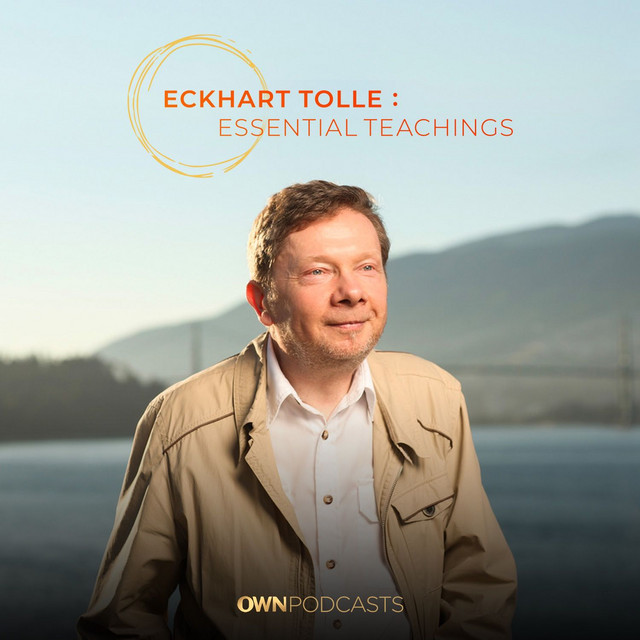
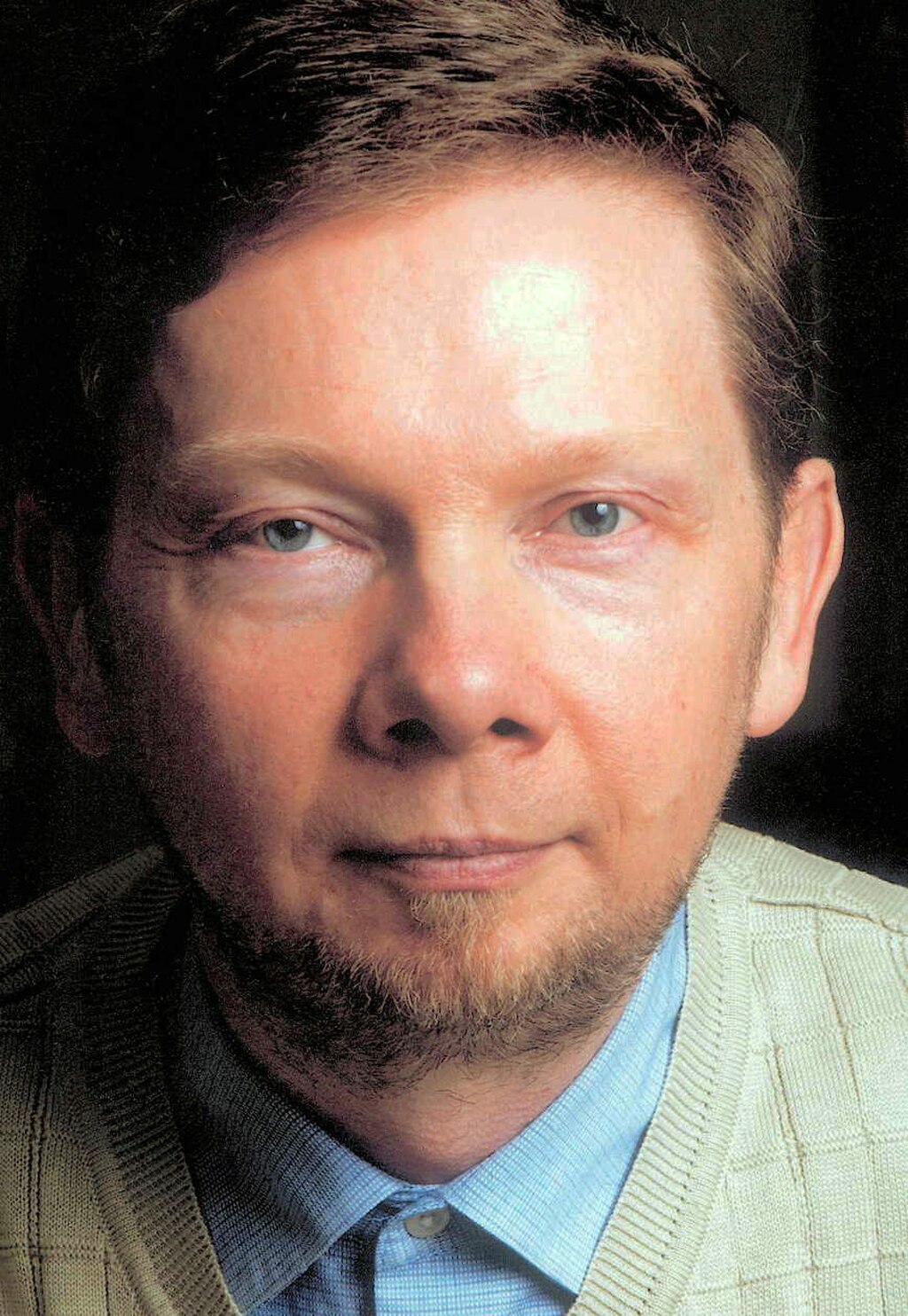
Eckhart Tolle's assertion that "the primary cause of unhappiness is never the situation but your thoughts about it" invites us to reconsider the very foundation of our emotional experiences. In a world rife with challenges, it is easy to attribute our discontent to external circumstances, yet Tolle urges us to turn inward. This shift in perspective is not merely an intellectual exercise; it is a profound invitation to reclaim our power over our emotional landscape. Understanding this principle can lead to a transformative journey toward inner peace and clarity.
At the heart of Tolle's teaching lies a radical redefinition of the relationship between our thoughts and our emotional states. By recognizing that our perceptions shape our experiences, we begin to see that the mind can be both a source of suffering and a pathway to liberation. This realization is crucial, for it empowers us to cultivate a more conscious engagement with our thoughts, allowing us to navigate life's complexities with greater ease and grace. In this exploration, we uncover the potential for happiness that resides within, independent of external conditions.
The image / the metaphor
The imagery in Tolle's quote evokes a powerful metaphorical landscape where thoughts act as the lens through which we perceive our reality. The verb "is" suggests a definitive state, implying that our thoughts are not merely reactions but active creators of our emotional experiences. This perspective invites us to visualize our minds as a garden, where the seeds we plant—our thoughts—determine the nature of the harvest we reap. If we cultivate negativity, we will inevitably yield unhappiness; conversely, nurturing positive thoughts can lead to a flourishing emotional state.
In the speaker's tradition
Eckhart Tolle's insights are deeply rooted in the non-dual tradition, which emphasizes the interconnectedness of all existence and the illusion of separation. Concepts such as *sunyata* (emptiness) and *fana* (annihilation of the self) resonate with Tolle's teaching, as they invite us to transcend the ego's narrative and recognize the underlying unity of being. In this context, our thoughts are seen as transient phenomena, often clouded by the ego's desires and fears, which obscure our true nature and lead to suffering.
In Tolle's seminal work, *A New Earth*, he draws upon various spiritual traditions to illustrate the importance of presence and awareness. The notion of *kenosis*, or self-emptying, aligns with his call to relinquish attachment to our thoughts and the stories we tell ourselves. By embracing this emptiness, we create space for a deeper awareness to emerge, allowing us to experience life as it is, free from the distortions of our mental constructs. This alignment with the essence of non-duality reveals the profound wisdom embedded in Tolle's teachings.
Living the teaching
Consider a modern scenario where this teaching can be applied: imagine a person facing a challenging work environment, filled with stress and conflict. It is easy to blame the situation for feelings of unhappiness and frustration. However, by recognizing that their thoughts about the workplace—perhaps the belief that they are powerless or undervalued—are the true sources of their distress, they can begin to shift their perspective. This realization empowers them to approach their work with a sense of agency, reframing their thoughts to focus on what they can control, such as their responses and attitudes.
In a different context, let us explore the dynamics of a relationship marked by tension and misunderstanding. One partner may feel unhappy due to perceived neglect or lack of appreciation. Yet, if they take Tolle's teaching to heart, they might recognize that their thoughts—such as the belief that their partner does not care—are shaping their emotional experience. By consciously choosing to communicate openly and to cultivate gratitude for the positive aspects of their relationship, they can transform their experience, fostering a deeper connection and understanding between them.
A reflection
As we contemplate Tolle's profound insight, we are invited to ask ourselves: "What thoughts am I holding onto that contribute to my unhappiness?" This question serves as a mirror, reflecting the intricate relationship between our mental narratives and our emotional states. By engaging with this inquiry, we can begin to unravel the layers of our thoughts, discerning which ones serve our well-being and which ones perpetuate suffering. In this process of reflection, we may discover the path to a more liberated and joyful existence.