The Gift of Stillness: Meeting Life Beyond Mental Noise
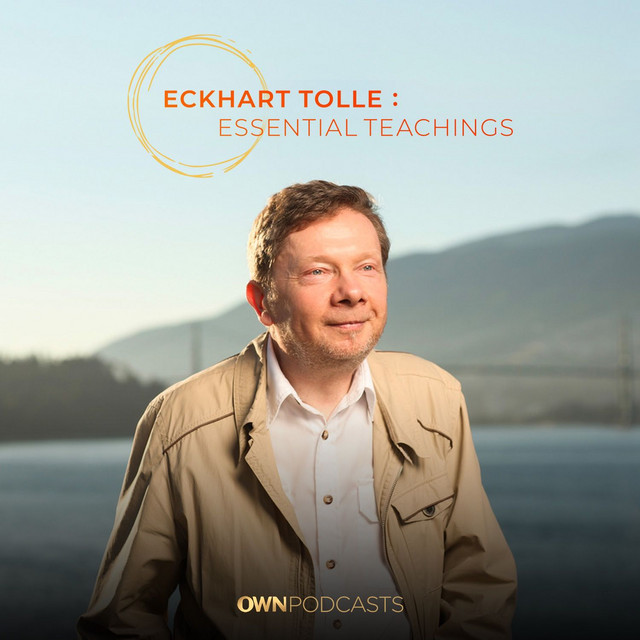
In the words of Eckhart Tolle, "To meet everything and everyone through stillness instead of mental noise is the greatest gift you can offer." This profound statement invites us to consider the transformative power of stillness in our interactions with the world. In a society often characterized by frenetic energy and incessant mental chatter, the ability to approach life from a place of calm presence becomes not just a personal benefit, but a gift to others. The stakes are high; in a world that thrives on distraction, the practice of stillness can foster deeper connections and a more authentic experience of life.
Delving deeper, Tolle's assertion challenges us to reflect on how we engage with our surroundings and the people in our lives. The notion of "meeting" suggests an active participation in life, yet it is through stillness that we can truly encounter the essence of others and ourselves. This stillness is not merely the absence of noise; it is a rich, fertile ground from which understanding, compassion, and clarity can emerge. By cultivating this inner quietude, we not only enhance our own experience but also offer a sanctuary for those around us, allowing them to feel seen and heard in a world that often overlooks the subtlety of human connection.
The image / the metaphor
At the heart of Tolle's quote lies a vivid imagery of stillness juxtaposed against the backdrop of mental noise. The word "meet" evokes a sense of engagement, suggesting that our interactions are not passive but rather dynamic exchanges. The choice of "stillness" as the focal point implies a profound depth, a state of being that transcends the superficiality of everyday interactions. In contrast, "mental noise" conjures images of chaos, distraction, and the incessant chatter of thoughts that often cloud our perception. This dichotomy invites us to explore the felt sense of each state, recognizing that stillness offers clarity and presence, while mental noise breeds confusion and disconnection.
Going deeper into this metaphor, we can see that stillness is not merely a quieting of the mind but a profound state of awareness that allows us to connect with the present moment. It is in this stillness that we can truly "meet" others, as we strip away the layers of preconceived notions and judgments that often cloud our interactions. The act of meeting through stillness transforms our relationships, allowing us to engage with authenticity and openness. In this way, Tolle's words serve as a reminder that the greatest gift we can offer is not just our presence but the quality of that presence, grounded in stillness and awareness.
In the speaker's tradition
Eckhart Tolle's teachings are deeply rooted in the non-dual tradition, which emphasizes the interconnectedness of all beings and the importance of transcending the ego. Concepts such as "sunyata" (emptiness) in Buddhism and "fana" (annihilation of the self) in Sufism resonate with Tolle's call for stillness. These traditions teach that by quieting the mind and letting go of the ego's incessant demands, we can experience a profound sense of unity with the world around us. This stillness allows us to access a deeper layer of consciousness, where the illusion of separation dissolves, and we can truly meet others in their essence.
In Tolle's seminal work, "The Power of Now," he emphasizes the importance of presence and awareness as pathways to enlightenment. He draws parallels to the teachings of various spiritual traditions, highlighting that the essence of stillness is a common thread that runs through them all. Just as the Buddha spoke of "right mindfulness" as a means to awaken to the present moment, Tolle invites us to cultivate a state of being that transcends the noise of our thoughts. This shared understanding across traditions underscores the timeless nature of Tolle's message and its relevance in our contemporary lives.
Living the teaching
Consider a modern scenario where the practice of meeting through stillness can be transformative: imagine a busy workplace filled with the clamor of deadlines and competing priorities. In such an environment, it is easy to become overwhelmed by mental noise, leading to misunderstandings and conflict. However, if one were to approach colleagues with a sense of stillness, taking a moment to breathe and center oneself before engaging, the quality of interactions could shift dramatically. This simple act of grounding oneself in stillness can create a space for clarity, empathy, and collaboration, allowing for more meaningful connections amidst the chaos.
Another application of this teaching can be found in personal relationships, particularly during moments of tension or disagreement. When faced with conflict, the instinct may be to react impulsively, fueled by the noise of our thoughts and emotions. Yet, if we pause to cultivate stillness, we can approach the situation with a clearer perspective. This allows us to listen deeply to our partner's concerns and express our own feelings with greater compassion. In this way, stillness becomes a powerful tool for fostering understanding and healing, transforming potential discord into an opportunity for growth and connection.
A reflection
As we contemplate Tolle's profound insight, we are invited to consider how we can embody stillness in our daily lives. What would it look like to meet each moment and each person with a sense of calm presence, free from the distractions of mental noise? This question encourages us to explore the ways in which we can cultivate stillness, not only for our own benefit but as a gift to those around us. In a world that often prioritizes speed and efficiency, the practice of stillness offers a radical alternative, inviting us to slow down and truly engage with the richness of life.