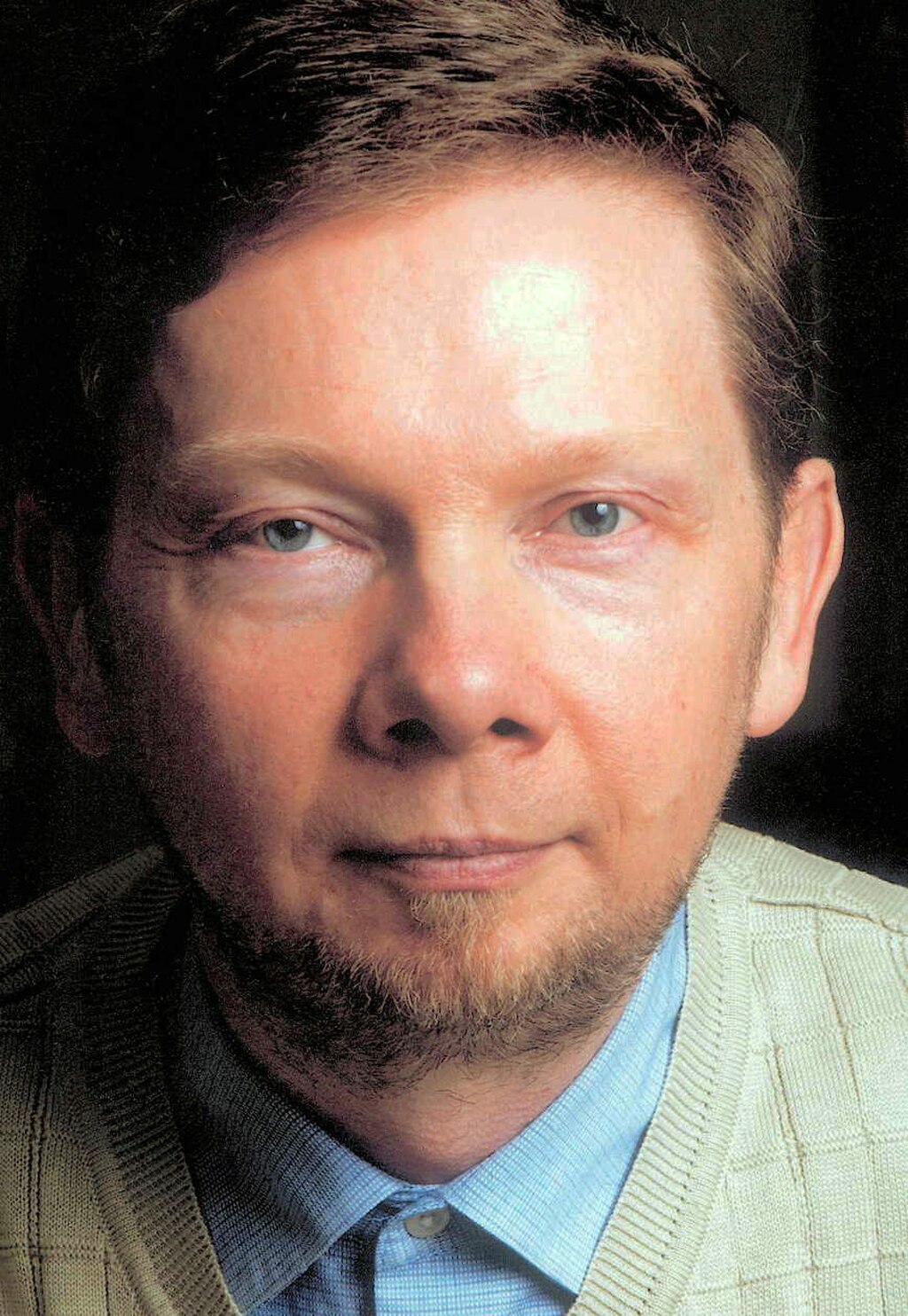
The Strength of Acceptance: Embracing What We Resist
Eckhart Tolle's assertion, "What you fight, you strengthen," invites us to reconsider our relationship with resistance and struggle. At its core, this quote suggests that the very act of opposing something—whether it be an emotion, a situation, or a person—can inadvertently amplify its presence in our lives. This insight is not merely philosophical; it holds profound implications for our emotional and spiritual well-being. By recognizing the futility of resistance, we open ourselves to a more peaceful existence grounded in acceptance.
Delving deeper, Tolle's words challenge the conventional wisdom that fighting against our challenges will lead to resolution. Instead, he proposes a radical shift in perspective: that acceptance, rather than resistance, is the pathway to true strength. This teaching resonates deeply in our contemporary world, where the instinct to combat discomfort is often celebrated. Yet, Tolle reminds us that the energy we expend in fighting can entrap us in a cycle of suffering, ultimately hindering our growth and understanding.
The image / the metaphor
The imagery in Tolle's quote evokes a sense of struggle, conjuring visions of a battle where the more we resist, the more formidable our opponent becomes. The verbs "fight" and "strengthen" are laden with connotations of conflict and power dynamics. When we engage in a struggle, we often find ourselves entangled in a web of our own making, where the very act of fighting serves to reinforce the existence of what we oppose. This creates a paradox: the more we resist, the more we inadvertently empower that which we wish to eliminate from our lives.
In the speaker's tradition
Eckhart Tolle's teachings are deeply rooted in the non-dual tradition, which emphasizes the interconnectedness of all things. Concepts such as *sunyata* (emptiness) and *fana* (annihilation of the self) resonate with the essence of Tolle's message. In this context, fighting against our experiences can be seen as a refusal to accept the impermanence and fluidity of life. Instead of clinging to our notions of self and other, we are invited to embrace the present moment with openness and curiosity, recognizing that resistance only serves to perpetuate our suffering.
In *The Power of Now*, Tolle draws upon the wisdom of various spiritual traditions, including Buddhism and Advaita Vedanta, to illustrate the futility of resistance. He encourages readers to cultivate *prajna*, or wisdom, which allows us to see beyond the illusion of separation. By understanding that what we resist is often a reflection of our own inner turmoil, we can begin to approach our challenges with compassion and acceptance, ultimately leading to a more profound sense of peace.
Living the teaching
Consider a modern scenario where this teaching might resonate: a workplace conflict. Imagine a colleague whose behavior consistently frustrates you. The instinctual response may be to confront them, to fight against their actions in hopes of changing the situation. However, Tolle's insight suggests that this very resistance could exacerbate your frustration, creating a cycle of negativity. Instead, by choosing to accept the colleague's behavior as it is, you may find that your emotional response shifts, allowing for a more constructive dialogue and a healthier work environment.
In the realm of personal relationships, this teaching can also manifest powerfully. Picture a moment of tension with a loved one, where the urge to argue or defend oneself arises. Instead of engaging in a battle of wills, Tolle's wisdom encourages us to pause and reflect. By accepting the feelings of discomfort and vulnerability that arise, we can create space for empathy and understanding. This shift from resistance to acceptance not only strengthens the relationship but also fosters personal growth and emotional resilience.
A reflection
As we contemplate Tolle's profound statement, we are invited to explore the nature of our own resistances. What are the areas in your life where you find yourself fighting against circumstances, emotions, or people? In recognizing these struggles, how might you begin to shift your perspective toward acceptance? This inquiry opens the door to deeper self-awareness and invites us to embrace the transformative power of acceptance in our lives.