Embracing the Cosmic Within
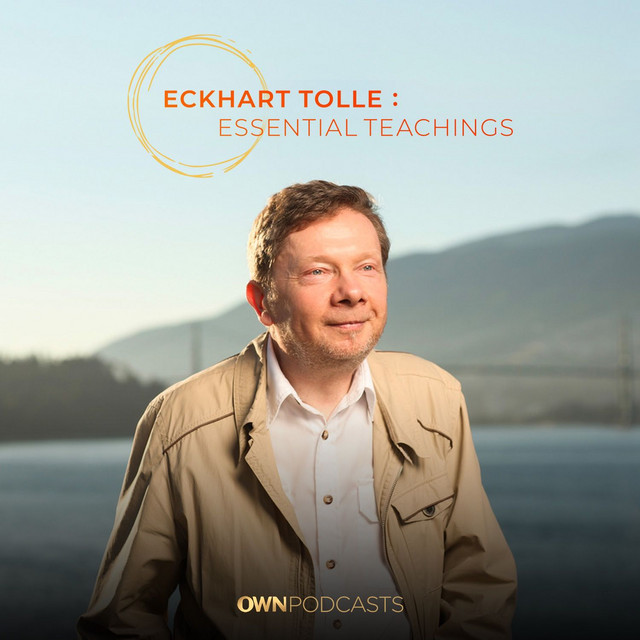
Eckhart Tolle's profound assertion, "You are the universe expressing itself as a human for a little while," invites us to reconsider our understanding of identity and existence. This statement encapsulates the essence of non-dual awareness, suggesting that our individual selves are not separate from the vast cosmos but rather manifestations of it. Recognizing this interconnectedness can transform our perception of life, urging us to see beyond the confines of our ego and embrace the larger tapestry of existence.
In a world often dominated by materialism and individualism, Tolle's words serve as a gentle reminder of our inherent unity with the universe. This perspective not only elevates our understanding of self but also fosters a sense of responsibility toward the world around us. By acknowledging ourselves as expressions of the universe, we can cultivate a deeper appreciation for our experiences and relationships, ultimately leading to a more harmonious existence.
The image / the metaphor
The imagery in Tolle's quote evokes a sense of wonder and expansiveness. To think of oneself as the universe in human form is to embrace a duality that transcends the ordinary. The verbs "expressing" and "being" suggest a dynamic process, where our lives are not static but rather fluid expressions of a greater reality. This notion invites us to feel the pulse of existence within us, as if we are the universe's heartbeat, momentarily taking on a human guise.
Diving deeper into this metaphor, we can see that it speaks to the transient nature of our human experience. The phrase "for a little while" underscores the ephemeral quality of life, reminding us that our time in this form is limited. This awareness can inspire us to live more fully, to engage with each moment as a unique expression of the cosmos, and to recognize the beauty in both our individuality and our shared essence.
In the speaker's tradition
Eckhart Tolle's teachings are deeply rooted in the non-dual tradition, which emphasizes the interconnectedness of all beings and the illusion of separateness. Concepts such as "sunyata" in Buddhism, which refers to emptiness or the lack of inherent existence, resonate with Tolle's assertion. Similarly, the idea of "fana" in Sufism, which speaks to the annihilation of the self in the divine, aligns with the understanding that our individual identities are temporary manifestations of a greater whole.
In his seminal work, "A New Earth," Tolle draws upon these traditions to illustrate the importance of transcending the ego. He encourages readers to awaken to their true nature, which is not confined to the personal self but is instead a reflection of the universal consciousness. This awakening is akin to the realization found in the Bhagavad Gita, where Krishna reveals to Arjuna that all beings are part of the divine play, urging us to see ourselves as integral threads in the fabric of existence.
Living the teaching
Consider a modern scenario where the teaching of Tolle's quote can be applied: a busy professional feeling overwhelmed by the demands of work and life. In this context, recognizing oneself as the universe expressing itself can shift the perspective from one of stress to one of purpose. Instead of merely reacting to the pressures of deadlines and expectations, this individual might begin to see their work as a form of creative expression, a way to contribute to the greater whole, thus transforming their experience from one of burden to one of meaningful engagement.
In relationships, this teaching can also provide profound insights. Imagine a moment of conflict between partners, where misunderstandings arise and emotions run high. By remembering that each person is an expression of the universe, they can approach the situation with compassion and empathy, recognizing that their differences are part of a larger cosmic dance. This awareness can foster deeper connections, as both individuals learn to appreciate the unique expressions of the other, ultimately leading to reconciliation and growth.
A reflection
As we contemplate Tolle's assertion, we are invited to ask ourselves: How can I embody the understanding that I am the universe expressing itself in this moment? This question encourages us to explore our daily lives with a sense of wonder and purpose, prompting us to seek the divine within ourselves and others. By reflecting on this inquiry, we can deepen our connection to the world around us and embrace the beauty of our shared existence.