The Gentle Art of Leadership: Love Without Imposition
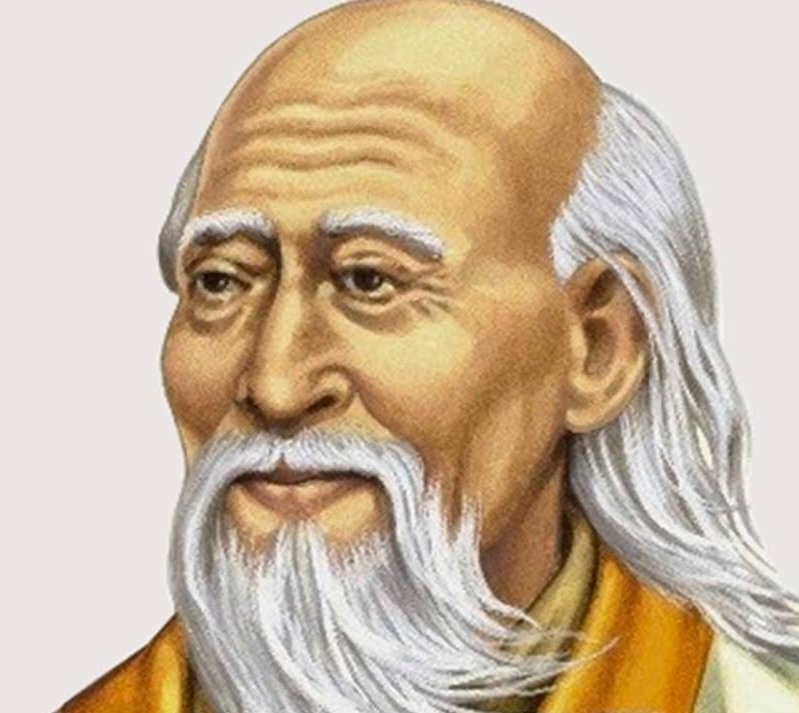
In the profound words of Lao Tzu, "Can you love people and lead them without imposing your will?" This question invites us to explore the delicate balance between authority and compassion, urging us to consider the nature of true leadership. It challenges us to reflect on whether genuine love can coexist with the exertion of power, and it beckons us to examine the ways in which we influence others. The stakes are high; in a world often marked by coercion and control, the ability to lead with love rather than force is a transformative endeavor.
As we delve deeper into this inquiry, we find ourselves at the intersection of love and leadership, where the essence of our interactions shapes the fabric of our communities. Lao Tzu's wisdom compels us to question the motives behind our actions and the impact they have on those we seek to guide. This exploration is not merely an intellectual exercise; it is a call to embody a more profound understanding of connection, one that transcends the superficial dynamics of power and control.
The image / the metaphor
The imagery in Lao Tzu's quote evokes a sense of gentle guidance rather than forceful direction. The verbs "love" and "lead" suggest a nurturing approach, where the leader's role is not to dominate but to inspire. This evokes a vision of a leader as a gardener, tending to the growth of each individual, allowing them to flourish in their own right. The phrase "without imposing your will" introduces a tension between authority and autonomy, inviting us to consider how we can influence others while respecting their freedom.
In the speaker's tradition
Within the rich tapestry of Taoism, Lao Tzu's question resonates with several key concepts, such as wu wei, or "non-action," which emphasizes effortless action in harmony with the natural flow of life. This principle suggests that true leadership arises not from exerting force but from aligning oneself with the inherent tendencies of those being led. The idea of kenosis, or self-emptying, found in various spiritual traditions, also parallels this teaching, as it invites leaders to relinquish their ego-driven desires in favor of serving others.
In the Tao Te Ching, Lao Tzu often contrasts the qualities of a wise leader with those of a tyrant. For instance, he states that the best leaders are those whose presence is barely felt, whose influence is subtle and gentle. This aligns with the notion of dharma in other spiritual traditions, where the true path involves acting in accordance with the greater good rather than personal ambition. By situating Lao Tzu's insights within this broader context, we see that the essence of leadership is not about asserting one's will but about fostering an environment where love and mutual respect can thrive.
Living the teaching
Consider a modern workplace scenario where a manager faces the challenge of guiding a diverse team. The temptation might be to impose strict rules and expectations, believing that this will lead to efficiency and productivity. However, if the manager embodies the spirit of Lao Tzu's teaching, they might instead choose to foster an atmosphere of collaboration and open communication. By inviting team members to share their ideas and concerns, the manager leads with love, creating a sense of ownership and empowerment that ultimately enhances the team's performance.
This teaching also finds relevance in personal relationships, particularly during moments of conflict. Imagine a disagreement between friends where one person feels the need to assert their viewpoint forcefully. By embracing the principle of leading with love, they might pause to listen deeply to the other's perspective, allowing for a more compassionate dialogue. This approach not only resolves the conflict but also strengthens the bond between them, illustrating that love, when coupled with genuine leadership, can transform even the most challenging situations into opportunities for growth and understanding.
A reflection
As we contemplate Lao Tzu's profound question, we are invited to reflect on our own leadership styles and the ways we interact with those around us. Are we imposing our will, or are we nurturing the potential in others? In what areas of our lives can we practice leading with love, allowing others the space to grow and flourish? These questions serve as a contemplative guide, urging us to embody the essence of compassionate leadership in our daily interactions.



Join the BrightStar Community
Stay connected with daily inspiration, event announcements, and community wisdom