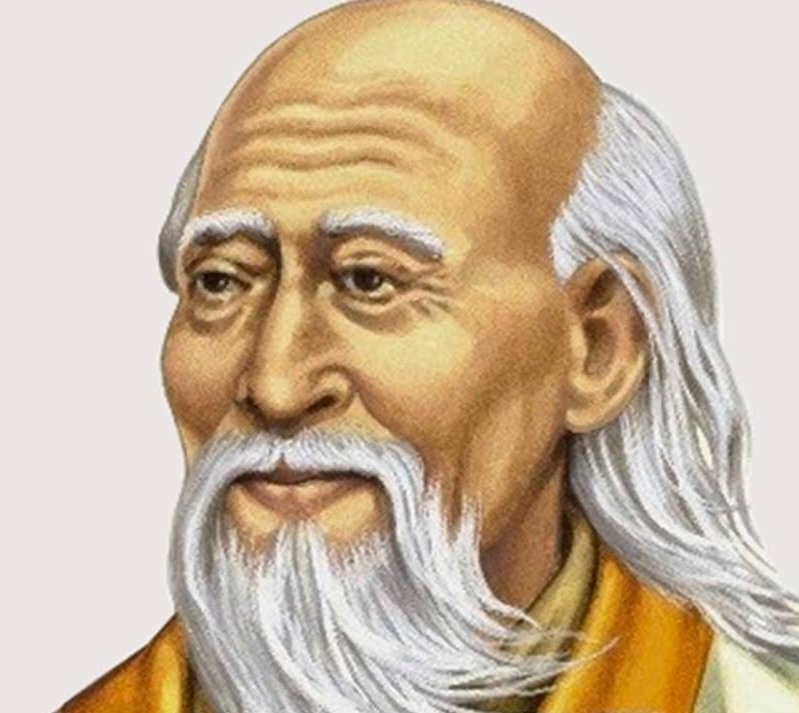
The Supreme Virtue of Non-Attachment
Lao Tzu's profound assertion, "Giving birth and nourishing, having without possessing, acting with no expectations — this is the supreme virtue," invites us to explore the essence of true virtue through the lens of non-attachment and selfless action. In a world often driven by desires and expectations, this teaching challenges us to reconsider our relationship with both our actions and the fruits they bear. It beckons us to embrace a way of being that transcends ownership and entitlement, urging us to cultivate a spirit of generosity and openness.
This quote encapsulates a core tenet of Taoist philosophy: the art of living harmoniously with the flow of life. By emphasizing the importance of nurturing without clinging, Lao Tzu encourages us to engage with the world in a manner that is both compassionate and liberated. This perspective not only fosters a deeper connection with others but also cultivates inner peace, allowing us to act from a place of authenticity rather than expectation.
The image / the metaphor
The imagery in Lao Tzu's words evokes a sense of naturalness and ease. "Giving birth and nourishing" conjures the image of a mother nurturing her child, an act that embodies unconditional love and care. The verbs "having without possessing" and "acting with no expectations" suggest a fluidity in our interactions with the world, where we can engage deeply without the need to control or own the outcomes. This language resonates with the rhythms of nature, where life unfolds organically, free from the constraints of attachment.
In the speaker's tradition
Within the context of Taoism, Lao Tzu's teaching resonates with the concept of wu wei, or "non-action," which emphasizes effortless action aligned with the natural flow of the universe. This principle encourages individuals to let go of rigid expectations and to trust in the unfolding of life. The idea of non-attachment is also echoed in Buddhist teachings, where concepts such as sunyata (emptiness) and dharma (the natural order) highlight the importance of relinquishing clinging to attain true liberation.
Moreover, Lao Tzu's assertion can be compared to the notion of kenosis found in Christian mysticism, which speaks to the self-emptying of one's own will for the sake of others. In both traditions, the underlying message is one of humility and service, where the act of giving becomes a pathway to deeper understanding and connection. The Tao Te Ching serves as a timeless guide, inviting us to reflect on our motivations and the impact of our actions on the world around us.
Living the teaching
Consider a modern scenario where this teaching can be applied: a community volunteer program. Imagine individuals coming together to serve meals at a local shelter, motivated not by the desire for recognition or reward but by a genuine wish to support those in need. In this context, the act of giving becomes a source of joy and fulfillment, as participants experience the profound connection that arises from selfless service. Their actions, rooted in non-attachment, create a ripple effect of compassion that extends beyond the immediate moment.
In personal relationships, this teaching can manifest in how we approach our interactions with loved ones. For instance, during a conflict, one might choose to listen deeply and respond with empathy rather than seeking to "win" the argument. By acting without the expectation of changing the other person or the outcome, we create space for genuine dialogue and understanding. This practice of non-attachment fosters healthier relationships, allowing love and connection to flourish without the weight of possessiveness or expectation.
A reflection
As we contemplate Lao Tzu's wisdom, we are invited to reflect on our own lives: In what areas do we cling to expectations or desires that hinder our ability to give freely? How might we cultivate a spirit of non-attachment in our daily actions, allowing us to engage with the world in a more authentic and compassionate way? This inquiry opens the door to deeper self-awareness and invites us to embrace the supreme virtue of living with an open heart.




Join the BrightStar Community
Stay connected with daily inspiration, event announcements, and community wisdom