The Subtle Art of Dimming One's Own Light
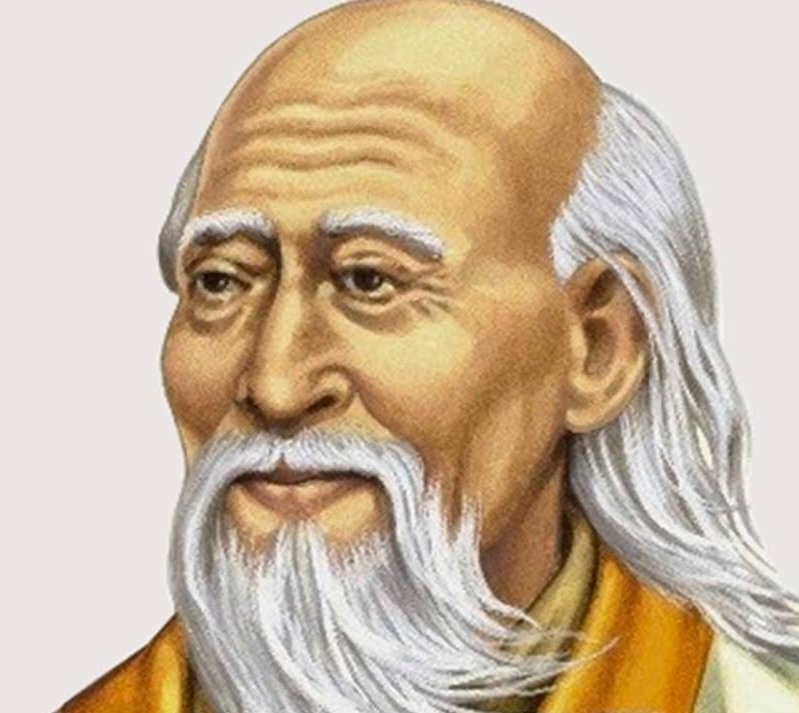
In the words of Lao Tzu, "He who tries to shine dims his own light." This profound statement invites us to reflect on the nature of humility and the often-overlooked wisdom that lies in restraint. In a world that often equates success with visibility and self-promotion, Lao Tzu's teaching serves as a gentle reminder that true brilliance emerges not from the desire to be seen, but from an authentic alignment with one's inner self. The stakes are high; in our quest for recognition, we risk overshadowing our innate gifts and wisdom.
As we delve deeper into this quote, we uncover layers of meaning that resonate with the essence of Taoist philosophy. The act of "trying to shine" suggests a struggle against the natural flow of existence, a desire to assert oneself in a way that ultimately leads to a diminishment of one's true light. This paradox highlights the tension between ego and authenticity, urging us to reconsider our motivations and the impact they have on our spiritual journey. In a society that often celebrates the loudest voices, Lao Tzu's wisdom beckons us to embrace the quiet strength found in humility.
The image / the metaphor
At first glance, the imagery in Lao Tzu's quote evokes a vivid picture of light and shadow. The verb "tries" implies an effort, a striving that is often rooted in insecurity or the need for validation. The juxtaposition of "shine" and "dims" creates a striking contrast, suggesting that the more one seeks to project their light outwardly, the more they inadvertently obscure their true essence. This imagery resonates deeply, as it captures the delicate balance between self-expression and self-aggrandizement.
Delving deeper into the metaphor, we can see that light symbolizes not only personal gifts and talents but also the innate wisdom that resides within each individual. When one attempts to shine through external validation, they risk losing touch with this inner light, leading to a disconnection from their authentic self. The metaphor serves as a poignant reminder that true illumination comes from within, and that the most profound expressions of our being often arise in moments of quiet reflection rather than in the pursuit of accolades.
In the speaker's tradition
Lao Tzu's teachings are deeply rooted in the tradition of Taoism, which emphasizes the importance of living in harmony with the Tao, or the natural way of the universe. Central to this philosophy is the concept of wu wei, or "non-action," which encourages individuals to align with the flow of life rather than force their will upon it. This principle resonates with the idea that striving for recognition can lead to a disconnection from one's true self, as it often entails a departure from the natural rhythms of existence.
In the Tao Te Ching, Lao Tzu frequently contrasts the qualities of the wise person with those of the ambitious. For instance, he writes about the value of humility and the dangers of pride, suggesting that those who seek to elevate themselves above others ultimately lose their way. This echoes the teachings found in other spiritual traditions, such as the Buddhist concept of sunyata, or emptiness, which emphasizes the importance of letting go of the ego to uncover one's true nature. In both traditions, the path to wisdom is paved with humility and the recognition that true strength lies in surrendering the need for external validation.
Living the teaching
Consider a modern scenario where this teaching resonates: a workplace environment where competition is fierce, and individuals are often driven to showcase their achievements. In such a setting, one might feel compelled to highlight their successes, believing that this will lead to recognition and advancement. However, as Lao Tzu suggests, this very effort to shine can lead to a dimming of one's authentic contributions. Instead, embracing humility and allowing one's work to speak for itself can foster a more genuine connection with colleagues and a deeper sense of fulfillment.
In the realm of personal relationships, the application of this teaching can manifest in moments of conflict or misunderstanding. When we find ourselves striving to assert our perspective or prove our worth, we may inadvertently create distance between ourselves and those we care about. By practicing humility and allowing space for others to express their truths, we cultivate deeper connections and invite a more profound understanding of one another. In these moments, we learn that the light of our relationships shines brightest when we step back and allow others to illuminate their own paths.
A reflection
As we contemplate Lao Tzu's wisdom, we are invited to reflect on our own lives and the ways in which we may be striving to shine. Are there areas where our desire for recognition is overshadowing our authentic selves? In what ways can we practice humility and allow our inner light to emerge naturally, without the need for external validation? These questions serve as a gentle nudge towards a deeper understanding of ourselves and our place within the tapestry of existence.


Join the BrightStar Community
Stay connected with daily inspiration, event announcements, and community wisdom