The Wisdom of Stillness: Embracing Quietude in a Chaotic World
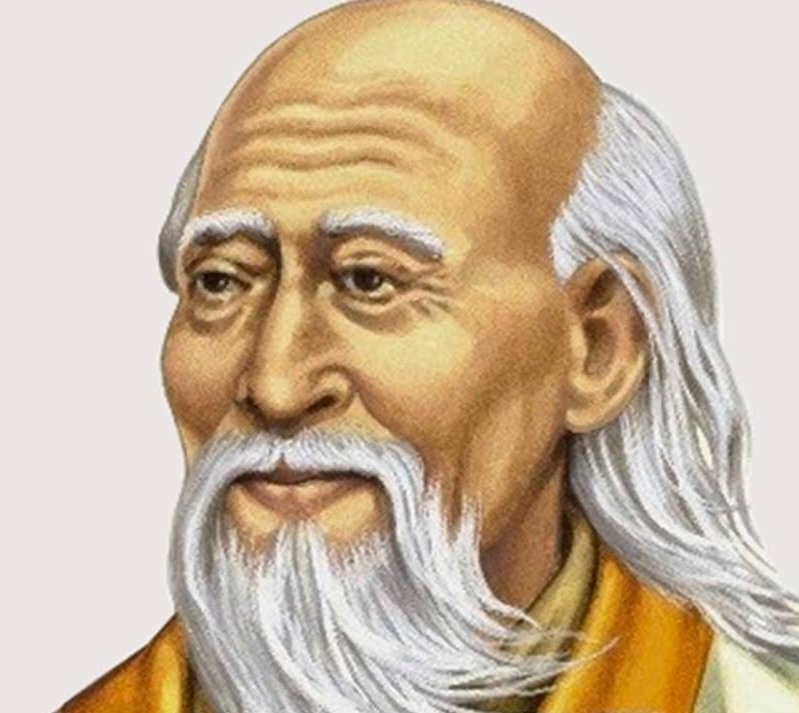
Lao Tzu's assertion, "I love quietude, and the people of themselves become correct," invites us to reflect on the profound relationship between stillness and the natural order of life. In a world often characterized by noise and distraction, this quote serves as a gentle reminder of the power of tranquility. It suggests that when we cultivate inner peace, we not only align ourselves with our true nature but also inspire those around us to embody their best selves. The stakes are high; in our frantic pursuit of success and validation, we may overlook the simple yet transformative practice of quietude.
Delving deeper, we find that Lao Tzu's words resonate with the essence of Taoism, where the concept of wu-wei, or effortless action, plays a central role. Quietude is not merely the absence of sound; it is an active state of being that allows us to connect with the flow of life. In this stillness, we can discern the underlying patterns of existence, leading to a harmonious way of living. Thus, Lao Tzu's love for quietude becomes a call to embrace a lifestyle that prioritizes reflection and mindfulness over the incessant clamor of modern existence.
The image / the metaphor
The imagery in Lao Tzu's quote evokes a serene landscape, where quietude reigns supreme. The choice of the word "quietude" suggests a profound stillness that transcends mere silence; it embodies a state of calmness that nurtures clarity and insight. The phrase "the people of themselves become correct" implies that in the presence of such tranquility, individuals naturally align with their true selves, shedding the layers of societal expectation and confusion. This imagery invites us to envision a world where peace fosters authenticity, allowing individuals to flourish in their inherent goodness.
In the speaker's tradition
Within the rich tapestry of Taoism, Lao Tzu's emphasis on quietude and natural correctness aligns closely with the concept of wu-wei, or non-action. Wu-wei does not advocate for inaction but rather encourages a way of being that flows with the natural rhythms of life. This principle resonates with other spiritual traditions, such as the Buddhist notion of sunyata, or emptiness, which invites practitioners to let go of attachments and preconceived notions. Both traditions highlight the importance of stillness as a means to access deeper truths and foster genuine connections with oneself and the world.
Furthermore, the Tao Te Ching itself serves as a guide to living in accordance with the Tao, or the Way. In Chapter 57, where this quote is found, Lao Tzu articulates the idea that when leaders embody stillness and simplicity, their people naturally follow suit. This reflects the interconnectedness of individual and collective well-being, suggesting that personal transformation can lead to societal change. The text encourages us to cultivate a sense of humility and receptivity, allowing the natural order to unfold without force or coercion.
Living the teaching
Consider a modern scenario where the teaching of quietude can be applied: the workplace. In an environment that often values constant connectivity and rapid responses, taking a moment to pause can be revolutionary. Imagine a team meeting where, instead of diving straight into discussions, participants take a few moments of silence to gather their thoughts. This practice not only fosters clarity but also encourages a more thoughtful exchange of ideas, allowing individuals to express themselves authentically. In this way, quietude becomes a catalyst for creativity and collaboration, transforming the dynamics of the workplace.
Another application of this teaching can be found in personal relationships. During moments of conflict or misunderstanding, the instinct may be to react immediately, often exacerbating the situation. However, if one were to embrace the quietude that Lao Tzu advocates, they might choose to step back, breathe, and reflect before responding. This practice of stillness can lead to more compassionate communication and a deeper understanding of one another's perspectives. By embodying quietude, we create space for healing and connection, allowing relationships to flourish in their authenticity.
A reflection
As we contemplate Lao Tzu's profound insight, we are invited to explore the role of quietude in our own lives. How might embracing stillness transform our interactions with ourselves and others? In a world that often prioritizes noise over reflection, this question encourages us to consider the ways in which we can cultivate a deeper sense of peace and authenticity. By engaging with this inquiry, we open ourselves to the possibility of living more harmoniously, both within and in relation to the world around us.




Join the BrightStar Community
Stay connected with daily inspiration, event announcements, and community wisdom