Embracing the Unseen: The Wisdom of Humility
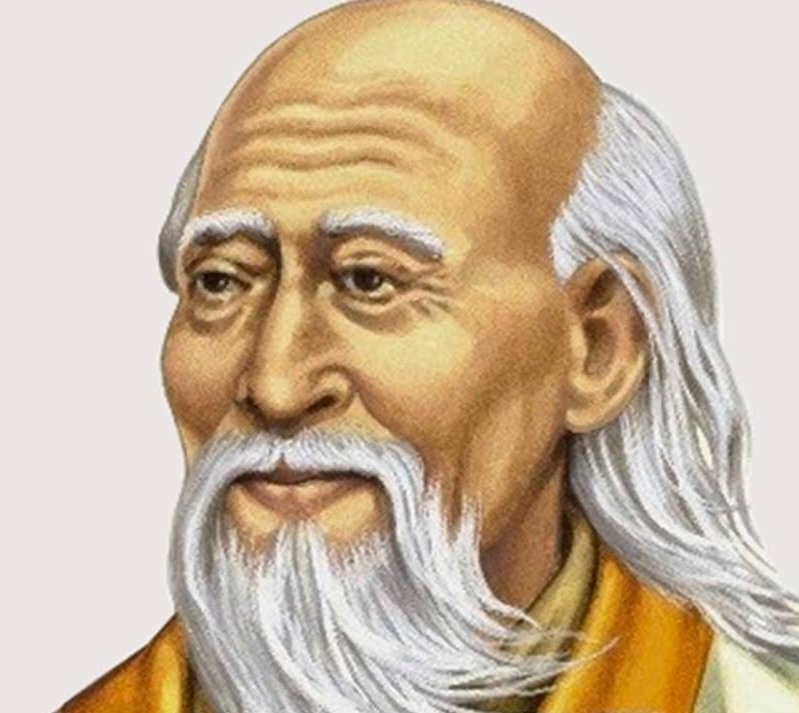
Lao Tzu's assertion that "It dwells in places that all disdain. Therefore it is close to the Way" invites us to reconsider our relationship with humility and the often-overlooked aspects of existence. In a world that frequently values power, prestige, and visibility, this quote serves as a gentle reminder that true wisdom and understanding often reside in the quiet corners of life, where the ego is subdued. The stakes of this teaching are profound: to embrace humility is to align oneself with the natural flow of the universe, the Way, which is inherently transformative.
This invitation to humility challenges us to look beyond societal norms and expectations, urging us to find value in what is often dismissed. In doing so, we cultivate a deeper connection with ourselves and the world around us. The essence of the Way, as Lao Tzu articulates, is not found in grand gestures or lofty ambitions but in the simple, unadorned truths that lie beneath the surface. This perspective not only enriches our spiritual journey but also fosters a sense of peace and belonging in a chaotic world.
The image / the metaphor
The imagery in Lao Tzu's quote evokes a sense of hidden treasures waiting to be discovered in the most unlikely places. The phrase "dwells in places that all disdain" conjures images of neglected gardens, forgotten paths, or the quiet wisdom of the elderly—elements of life that society often overlooks. The verbs chosen, such as "dwells," suggest a sense of permanence and intimacy, indicating that humility is not a fleeting state but a profound way of being that resides within the depths of our existence.
Diving deeper into the metaphor, we can see that the "places that all disdain" represent not only physical locations but also emotional and spiritual states. These are the moments of vulnerability, the experiences of failure, and the quiet reflections that often elicit discomfort. By acknowledging and embracing these aspects of life, we open ourselves to the transformative power of humility, which brings us closer to the Way. This journey requires courage, as it asks us to confront our biases and preconceptions, ultimately leading to a richer understanding of ourselves and our place in the universe.
In the speaker's tradition
Within the context of Taoism, Lao Tzu's teaching resonates deeply with the concept of wu wei, or "non-action," which emphasizes the importance of aligning with the natural flow of life rather than forcing one's will upon it. This principle encourages us to cultivate a sense of humility, recognizing that our true strength lies in surrendering to the Way rather than striving for dominance. The idea of kenosis, or self-emptying, found in various spiritual traditions, parallels this teaching, suggesting that true fulfillment arises from letting go of the ego and embracing the simplicity of existence.
Living the teaching
Consider a modern scenario where this teaching can be applied: a workplace environment filled with competition and ambition. In such a setting, individuals often strive to outshine one another, seeking recognition and validation. However, when one chooses to embrace humility—acknowledging the contributions of others and valuing collaboration over competition—an atmosphere of trust and support emerges. This shift not only enhances personal relationships but also fosters a more productive and harmonious workplace, illustrating the profound impact of humility on collective well-being.
A reflection
As we contemplate Lao Tzu's wisdom, we are invited to reflect on our own lives: In what areas do we find ourselves clinging to pride or seeking validation? How might embracing humility transform our experiences and relationships? By engaging with these questions, we can begin to uncover the hidden treasures that dwell in the quiet corners of our lives, drawing us ever closer to the Way.




Join the BrightStar Community
Stay connected with daily inspiration, event announcements, and community wisdom