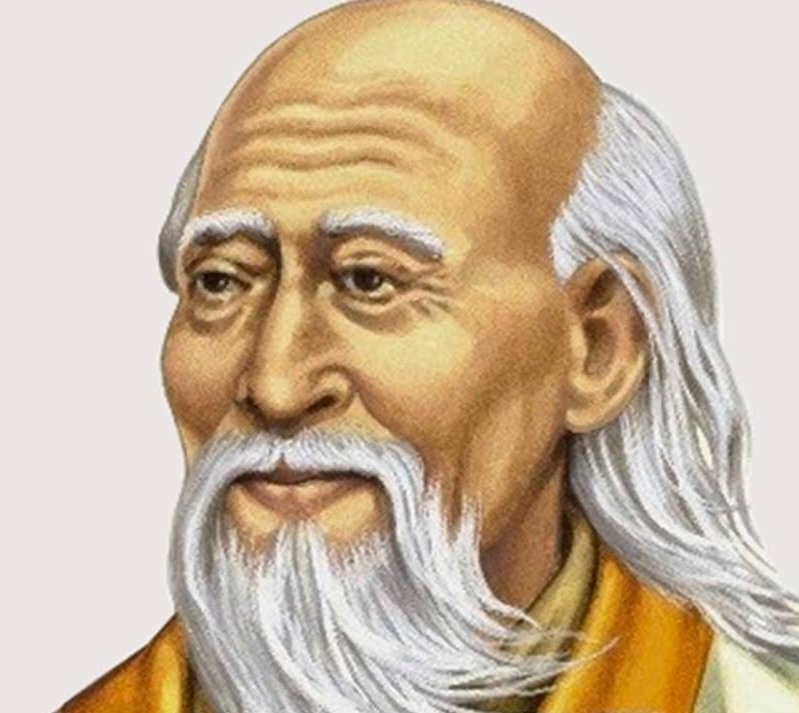
The Depth of True Power: Wisdom and Mastery in Lao Tzu's Teachings
Lao Tzu's profound assertion, "Knowing others is intelligence; knowing yourself is true wisdom. Mastering others is strength; mastering yourself is true power," invites us to explore the intricate relationship between self-awareness and personal mastery. In a world often preoccupied with external validation and control, this quote serves as a gentle reminder of the deeper, more transformative journey within. The stakes are high: to cultivate genuine wisdom and power, we must first turn our gaze inward, recognizing that true strength lies not in dominance over others, but in the mastery of our own selves.
This teaching resonates deeply within the fabric of Taoist philosophy, where the journey of self-discovery is paramount. It challenges us to reconsider our definitions of intelligence and power, urging us to seek a more profound understanding of our inner landscapes. In doing so, we not only enrich our own lives but also enhance our interactions with others, fostering a more harmonious existence. The essence of this wisdom lies in the delicate balance between knowing oneself and engaging with the world, a balance that can lead to a more authentic and fulfilling life.
The image / the metaphor
The imagery in Lao Tzu's quote is rich and evocative, contrasting the external and internal realms of knowledge and power. "Knowing others" conjures images of observation, analysis, and the intellectual pursuit of understanding those around us. It suggests a kind of intelligence that is often celebrated in society—a skill set that can be honed and displayed. In contrast, "knowing yourself" evokes a more intimate, introspective journey, one that requires vulnerability and courage. The verbs chosen—knowing and mastering—speak to different levels of engagement with the world: one is about observation and interaction, while the other is about deep understanding and self-control.
In the speaker's tradition
Within the context of Taoism, Lao Tzu's insights resonate with core concepts such as wu wei (non-action), yin and yang (the interplay of opposites), and the idea of living in harmony with the Tao, or the natural way of the universe. The notion of self-mastery aligns closely with the Taoist understanding of dharma, which emphasizes living in accordance with one's true nature. This inner alignment fosters a sense of peace and balance, allowing individuals to navigate life with grace rather than force. The journey toward self-knowledge is not merely a personal quest; it is a path that connects us to the greater whole, reminding us that our individual mastery contributes to the collective harmony.
In the Tao Te Ching, Lao Tzu often emphasizes the importance of humility and simplicity, suggesting that true wisdom comes from recognizing our place within the cosmos. For instance, in Chapter 15, he describes the wise person as one who is "deeply rooted and firmly anchored," illustrating the strength that comes from self-awareness and acceptance. This perspective invites us to reflect on how our understanding of power and mastery can shift when we embrace the interconnectedness of all beings, recognizing that our journey toward wisdom is a shared endeavor.
Living the teaching
Consider a modern scenario where this teaching might land: a workplace environment where competition often overshadows collaboration. In such a setting, individuals may strive to outshine their colleagues, believing that success is measured by external accolades and recognition. However, if one were to embrace Lao Tzu's wisdom, the focus would shift from mastering others to mastering oneself. This could manifest as a commitment to self-improvement, emotional intelligence, and fostering supportive relationships, ultimately leading to a more cohesive and productive team dynamic.
Another application of this teaching can be found in personal relationships, particularly during moments of conflict. When faced with disagreement, the instinct may be to assert one's viewpoint forcefully, seeking to "master" the conversation. Yet, by turning inward and practicing self-awareness, one can approach the situation with empathy and understanding. This shift not only diffuses tension but also cultivates a deeper connection with the other person, illustrating that true power lies not in winning arguments but in fostering mutual respect and understanding.
A reflection
As we contemplate Lao Tzu's profound words, we are invited to reflect on our own journeys of self-discovery and mastery. What does it mean for you to know yourself deeply? In what ways can you cultivate true wisdom and power in your life? By engaging with these questions, we open ourselves to the possibility of transformation, allowing the teachings of Lao Tzu to guide us toward a more authentic and harmonious existence.


Join the BrightStar Community
Stay connected with daily inspiration, event announcements, and community wisdom