The Treasures of a Gentle Heart
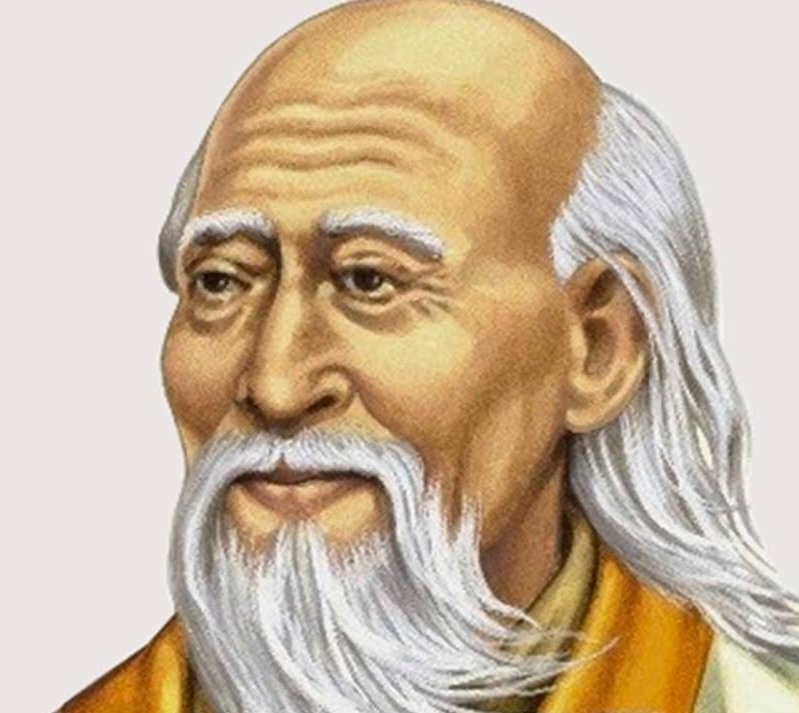
Lao Tzu, the ancient sage of Taoism, offers us a profound insight when he states, "I have three precious things which I hold fast and prize. The first is gentleness; the second is frugality; the third is humility." In these words, he encapsulates a philosophy that values the quiet strength of gentleness, the wisdom of moderation, and the grace of humility. In a world often driven by ambition and excess, these qualities serve as a compass guiding us toward a more peaceful and compassionate existence.
To hold fast to gentleness, frugality, and humility is to embrace a way of being that counters the prevailing currents of our time. Each of these virtues invites us to cultivate a deeper awareness of ourselves and our relationships with others. In a society that often equates success with power and wealth, Lao Tzu's teachings remind us that true richness lies in the simplicity of our hearts and the authenticity of our actions. This exploration of his wisdom is not merely an intellectual exercise; it is a call to embody these principles in our daily lives.
The image / the metaphor
The imagery in Lao Tzu's quote evokes a sense of preciousness, as if these virtues are rare gems that one must cherish and protect. Gentleness, frugality, and humility are not merely abstract concepts; they are living qualities that can transform our interactions and our inner lives. The choice of the word "hold fast" suggests a deliberate commitment to these values, indicating that they require effort and intention to cultivate. Each term carries a weight of meaning that invites us to reflect on how we embody these qualities in our own lives.
Diving deeper into the metaphor, we can see that gentleness is not weakness; it is a powerful force that fosters connection and understanding. Frugality speaks to a mindful approach to consumption, urging us to appreciate what we have rather than constantly seeking more. Humility, in this context, is the recognition of our interconnectedness and the understanding that we are part of a larger whole. Together, these virtues create a harmonious balance, allowing us to navigate the complexities of life with grace and wisdom.
In the speaker's tradition
Within the rich tapestry of Taoist philosophy, Lao Tzu's emphasis on gentleness, frugality, and humility resonates deeply with the concept of wu wei, or "non-action." This principle encourages us to align with the natural flow of life rather than resist it, embodying a sense of ease and acceptance. The virtues he prizes serve as a foundation for living in accordance with the Tao, the fundamental principle that underlies all existence. In this light, gentleness becomes a means of engaging with the world that fosters peace, while frugality and humility ground us in the present moment.
Moreover, Lao Tzu's teachings can be compared to the Buddhist concept of sunyata, or emptiness, which invites us to let go of attachments and ego-driven desires. Just as sunyata encourages a release from the burdens of self-importance, humility allows us to step back and recognize the beauty in simplicity. In the Tao Te Ching, Chapter 67, where this quote is found, we see a clear invitation to embrace these qualities as pathways to wisdom and compassion, echoing the sentiments found in other spiritual traditions.
Living the teaching
Consider a modern scenario where the application of these virtues can be transformative: a workplace filled with competition and ambition. In such an environment, practicing gentleness can create a ripple effect, fostering collaboration rather than rivalry. When we approach our colleagues with kindness and understanding, we not only enhance our relationships but also contribute to a more harmonious atmosphere. Frugality in this context might manifest as a focus on shared resources and collective success, rather than individual accolades, while humility allows us to celebrate the contributions of others without seeking the spotlight for ourselves.
In personal relationships, the teachings of Lao Tzu can also provide profound insights. Imagine a moment of conflict with a loved one, where emotions run high and misunderstandings abound. By embodying gentleness, we can approach the situation with a calm demeanor, allowing space for open dialogue. Practicing frugality here means valuing the relationship over being "right," and humility invites us to listen deeply and acknowledge our own imperfections. In these ways, Lao Tzu's precious virtues can guide us toward deeper connections and a more peaceful existence.
A reflection
As we contemplate Lao Tzu's wisdom, we are invited to reflect on our own lives: How can we cultivate gentleness, frugality, and humility in our daily interactions? In what ways might these virtues transform our relationships with ourselves and others? By engaging with these questions, we open ourselves to the possibility of living more authentically and compassionately, aligning our actions with the deeper truths of our shared humanity.


Join the BrightStar Community
Stay connected with daily inspiration, event announcements, and community wisdom