The Gentle Power of Patience in Nature's Rhythm
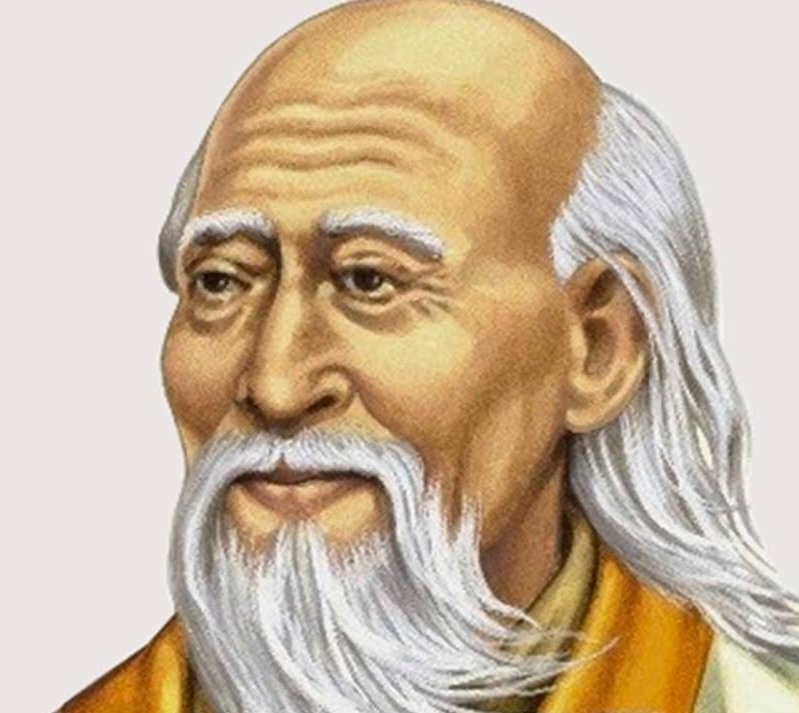
In the profound words of Lao Tzu, "Nature does not hurry, yet everything is accomplished." This statement invites us to reflect on the inherent wisdom of the natural world, where every season unfolds at its own pace, and every life cycle reaches fruition without force. In a society that often equates speed with success, this quote serves as a gentle reminder of the value of patience and trust in the unfolding of life. It beckons us to consider how we might align ourselves with the natural rhythms around us, recognizing that true accomplishment often requires time and a deep sense of surrender.
As we delve deeper into this teaching, we begin to understand that Lao Tzu's insight is not merely about the absence of haste; it is a call to embrace the flow of existence. In a world filled with distractions and pressures, the notion of allowing things to unfold naturally can feel revolutionary. This perspective encourages us to cultivate a sense of trust in the process of life, suggesting that by relinquishing our need for control, we may find ourselves more attuned to the subtle currents that guide our journey. The wisdom of nature, as Lao Tzu suggests, teaches us that patience is not passive but an active engagement with the present moment.
The image / the metaphor
The imagery in Lao Tzu's quote evokes a serene landscape where the elements of nature—trees, rivers, mountains—exist in a harmonious state of being. The choice of the word "hurry" contrasts sharply with the idea of accomplishment, creating a vivid picture of a world that operates on its own timeline. This juxtaposition invites us to feel the tension between our human inclination to rush and the natural world's patient unfolding. The verbs "does not hurry" and "is accomplished" suggest a profound truth: that success is not always about speed, but rather about the alignment with a greater rhythm.
In the speaker's tradition
Within the framework of Taoism, Lao Tzu's teaching resonates with the concept of "wu wei," or effortless action. This principle emphasizes the importance of aligning oneself with the natural flow of the universe rather than forcing outcomes through sheer will. Wu wei invites us to engage with life in a way that is both active and receptive, allowing us to respond to circumstances as they arise rather than imposing our desires upon them. This approach reflects a deep understanding of the interconnectedness of all things, where each moment is an opportunity to harmonize with the unfolding of life.
Moreover, the idea of patience and trust in the process can be seen in the Tao Te Ching, where Lao Tzu often speaks of the value of simplicity and humility. In Chapter 15, he describes the wise person as one who is "like a newborn babe," embodying a sense of openness and receptivity to the world. This imagery reinforces the notion that true wisdom lies in surrendering to the natural order of things, allowing life to unfold in its own time. In this way, Lao Tzu's teachings invite us to cultivate a deep sense of trust in the universe and in ourselves.
Living the teaching
Consider a modern scenario where this teaching might resonate: the experience of waiting for a significant life change, such as a job promotion or a new relationship. In our fast-paced world, the anticipation can feel overwhelming, leading to anxiety and impatience. However, by embodying the wisdom of Lao Tzu, we can learn to embrace this waiting period as an opportunity for growth and self-reflection. Instead of rushing to force outcomes, we can cultivate patience, trusting that everything will unfold in its own time, just as nature does.
Another application of this teaching can be found in our relationships, particularly during challenging moments. When conflicts arise, our instinct may be to react quickly, seeking immediate resolution. Yet, if we pause and allow ourselves to breathe, we may find that patience opens the door to deeper understanding and connection. By trusting the process of communication and allowing space for emotions to settle, we can foster a more profound sense of intimacy and trust, mirroring the natural flow that Lao Tzu so eloquently describes.
A reflection
As we contemplate the wisdom of Lao Tzu's words, we are invited to consider our own relationship with time and accomplishment. How often do we find ourselves rushing through life, striving for outcomes rather than savoring the journey? In what areas of your life might you benefit from embracing a more patient approach, trusting that everything will unfold as it should? Allow this contemplation to guide you toward a deeper understanding of the natural rhythms that govern your existence.




Join the BrightStar Community
Stay connected with daily inspiration, event announcements, and community wisdom