Becoming Through Letting Go
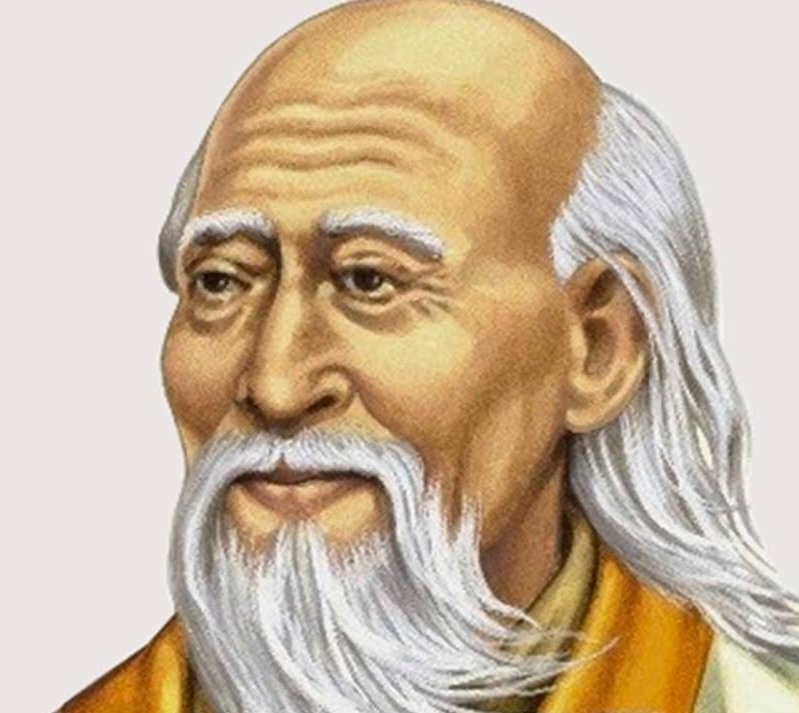
The profound statement by Lao Tzu, "When I let go of what I am, I become what I might be," invites us to explore the transformative power of release. In a world that often equates identity with achievement and possession, this quote challenges us to reconsider our attachments and the self-concept we cling to. The stakes are high; by holding tightly to our current identities, we may inadvertently stifle our potential for growth and evolution. This teaching beckons us to embrace the fluidity of existence, suggesting that true freedom lies in the art of letting go.
Delving deeper, we find that this quote encapsulates a fundamental aspect of the human experience: the tension between who we are and who we could become. It speaks to the innate fear of change and the discomfort that often accompanies the process of transformation. In the Taoist view, the path to becoming is not a linear journey but a cyclical dance of release and renewal. By surrendering our rigid definitions of self, we open ourselves to the vast possibilities that life offers, allowing the natural flow of existence to guide us toward our highest potential.
The image / the metaphor
Lao Tzu’s words evoke a vivid image of shedding layers, much like a snake sloughing off its skin to reveal a new, vibrant self beneath. The act of "letting go" is not merely a passive relinquishment; it is an active engagement with the process of transformation. The verbs chosen—“let go” and “become”—suggest a dynamic interplay between release and emergence. This imagery resonates deeply, as it captures the essence of growth that is often accompanied by discomfort and uncertainty.
Moreover, the metaphor of letting go speaks to the natural rhythms of life. Just as the seasons change, so too must we allow ourselves to evolve. The act of letting go can be likened to the falling of autumn leaves, which, while seemingly a loss, paves the way for new growth in spring. In this sense, Lao Tzu invites us to embrace the cycles of our own lives, recognizing that each ending is but a precursor to a new beginning, a necessary step in the journey toward our fullest selves.
In the speaker's tradition
Within the rich tapestry of Taoism, Lao Tzu's teaching resonates with the concept of wu wei, or effortless action. This principle encourages us to align with the natural flow of the universe, suggesting that by relinquishing control and expectations, we can find our true path. The idea of letting go is also echoed in the Buddhist notion of sunyata, or emptiness, which teaches that clinging to a fixed identity can lead to suffering. Both traditions emphasize the importance of surrendering the ego to uncover the deeper truths of existence.
In the Tao Te Ching, Lao Tzu often speaks of the value of humility and simplicity, urging us to cultivate a sense of openness to the world around us. This aligns with the notion of dharma in other spiritual traditions, where fulfilling one's true purpose requires a willingness to release preconceived notions of self. By embracing the wisdom of letting go, we can navigate the complexities of life with grace and authenticity, allowing our true nature to emerge unencumbered.
Living the teaching
Consider a modern scenario where this teaching finds relevance: a professional grappling with the fear of losing their job. The attachment to their current role and identity can create a paralyzing anxiety, preventing them from exploring new opportunities. By letting go of the fear and the rigid self-definition tied to their job title, they may discover new passions or career paths that align more closely with their evolving sense of self. This act of release opens the door to possibilities that were previously obscured by the weight of expectation.
In the realm of relationships, the teaching of letting go can also be transformative. Imagine a friendship that has become strained due to misunderstandings and unspoken grievances. By letting go of the need to be right or to hold onto past grievances, both individuals can create space for healing and renewal. This willingness to release old narratives allows for a deeper connection to emerge, one that is rooted in authenticity and mutual understanding. In both scenarios, the act of letting go becomes a powerful catalyst for growth and transformation.
A reflection
As we contemplate Lao Tzu's wisdom, we are invited to reflect on our own lives: What identities or attachments are we clinging to that may be hindering our growth? In what areas might we benefit from the courage to let go, allowing ourselves to become who we might be? This inquiry encourages us to embrace the fluidity of our existence, recognizing that transformation is not only possible but essential for our journey toward wholeness.




Join the BrightStar Community
Stay connected with daily inspiration, event announcements, and community wisdom