The Power of Small Things: A Taoist Perspective
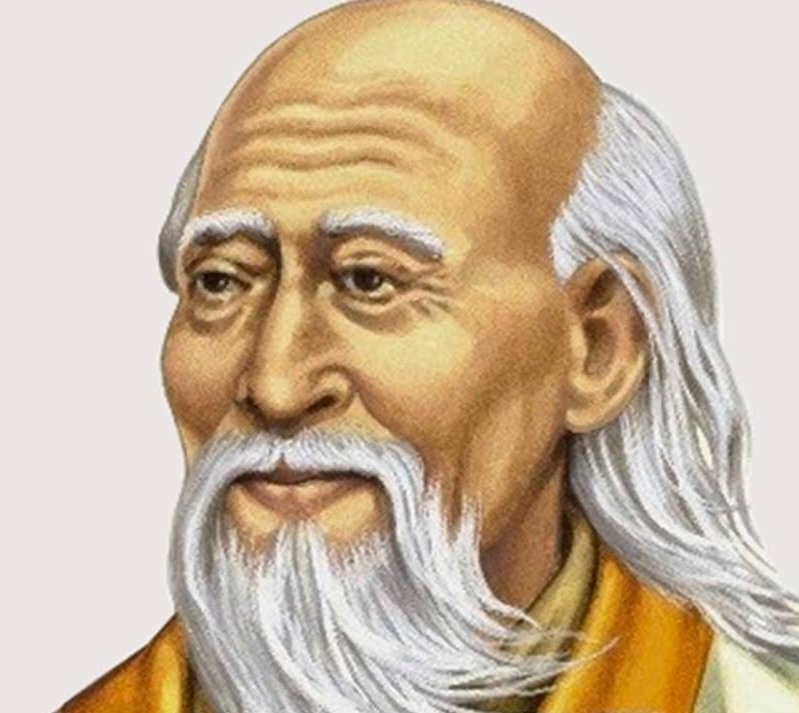
In the words of Lao Tzu, "The greatest things are accomplished by attention to small details." This profound statement invites us to reconsider the significance of the minutiae in our lives. In a world that often glorifies grand gestures and monumental achievements, Lao Tzu reminds us that true mastery and fulfillment lie in the careful cultivation of the small, seemingly insignificant aspects of our existence. This perspective is not merely a call to diligence; it is an invitation to engage with life in a more mindful and intentional manner.
As we delve deeper into this teaching, we recognize that attention to detail is not just about meticulousness; it is about presence. When we focus on the small details, we cultivate a sense of awareness that permeates our entire being. This awareness allows us to connect more deeply with ourselves, others, and the world around us. In this light, Lao Tzu's wisdom serves as a gentle reminder that the path to greatness is often paved with the small, deliberate actions we take each day.
The image / the metaphor
At first glance, Lao Tzu's quote evokes a vivid image of a craftsman meticulously shaping a piece of wood or an artist carefully applying brush strokes to a canvas. The choice of words like "greatest" and "accomplished" suggests a journey toward mastery that is built upon the foundation of small, deliberate actions. The verbs "accomplished" and "attention" imply a dynamic relationship between effort and outcome, where the smallest details are not merely ancillary but integral to the overall success of a project or endeavor.
Delving deeper into the metaphor, we can see that attention to small details reflects a broader philosophy of life. It suggests that the essence of our experiences is often found in the subtleties—the quiet moments, the gentle gestures, and the unspoken connections. This perspective aligns with the Taoist understanding of the interconnectedness of all things, where every small action contributes to the larger tapestry of existence. In this way, Lao Tzu invites us to embrace the richness of life that resides in the details.
In the speaker's tradition
Within the context of Taoism, Lao Tzu's emphasis on small details resonates with the concept of "wu wei," or effortless action. This principle encourages us to align ourselves with the natural flow of life, recognizing that great achievements often arise from a series of small, harmonious actions rather than forceful exertion. The Taoist worldview teaches that by paying attention to the subtle rhythms of life, we can navigate our paths with grace and ease, allowing the greater forces of the universe to guide us.
Moreover, this teaching can be seen in the broader context of "prajna," or wisdom, which is cultivated through mindfulness and awareness. In the "Tao Te Ching," Lao Tzu often emphasizes the importance of simplicity and humility, suggesting that true wisdom comes from recognizing the value of the ordinary. By focusing on the small details, we cultivate a deeper understanding of ourselves and our place in the world, ultimately leading to a more profound sense of fulfillment.
Living the teaching
Consider a modern scenario where this teaching can be applied: a project at work that seems overwhelming due to its scale and complexity. Instead of becoming paralyzed by the enormity of the task, one might choose to break it down into smaller, manageable components. By focusing on each detail—whether it be drafting an outline, conducting research, or collaborating with colleagues—one can gradually build toward the larger goal. This approach not only alleviates stress but also fosters a sense of accomplishment as each small task is completed.
In the realm of relationships, attention to small details can transform our interactions with others. Imagine a moment of conflict with a loved one, where the focus is often on the larger issues at hand. By shifting our attention to the small gestures—listening intently, offering a kind word, or simply being present—we can create a space for healing and understanding. This practice of mindfulness in our relationships allows us to nurture connections that are often overlooked, ultimately enriching our lives and those of others.
A reflection
As we contemplate Lao Tzu's wisdom, we are invited to reflect on our own lives: What small details have we overlooked in our pursuit of greatness? In what areas can we cultivate greater attention and care? By engaging with these questions, we open ourselves to the possibility of transformation, recognizing that the path to fulfillment is often found in the quiet, deliberate actions we take each day.


Join the BrightStar Community
Stay connected with daily inspiration, event announcements, and community wisdom