The Paradox of Humility: Finding Greatness in Selflessness
The quote by Lao Tzu, "The sage puts himself last and finds himself in the foremost place," invites us to explore the profound paradox of humility and leadership. In a world that often equates success with self-promotion and personal gain, this teaching challenges us to reconsider our understanding of greatness. It suggests that true wisdom and influence arise not from striving to be first, but from a willingness to serve and prioritize the needs of others. This perspective is not merely philosophical; it has practical implications for how we navigate our relationships and responsibilities.
Delving deeper, we find that this quote encapsulates a fundamental principle of Taoism: the idea that the path to fulfillment lies in selflessness. By placing oneself last, the sage embodies a radical form of humility that transcends ego and ambition. This act of putting others first does not diminish one's worth; rather, it elevates the individual to a position of respect and authority. In this light, Lao Tzu's words resonate with a timeless truth: that the greatest leaders are often those who serve with grace and compassion, fostering a sense of community and interconnectedness.
The image / the metaphor
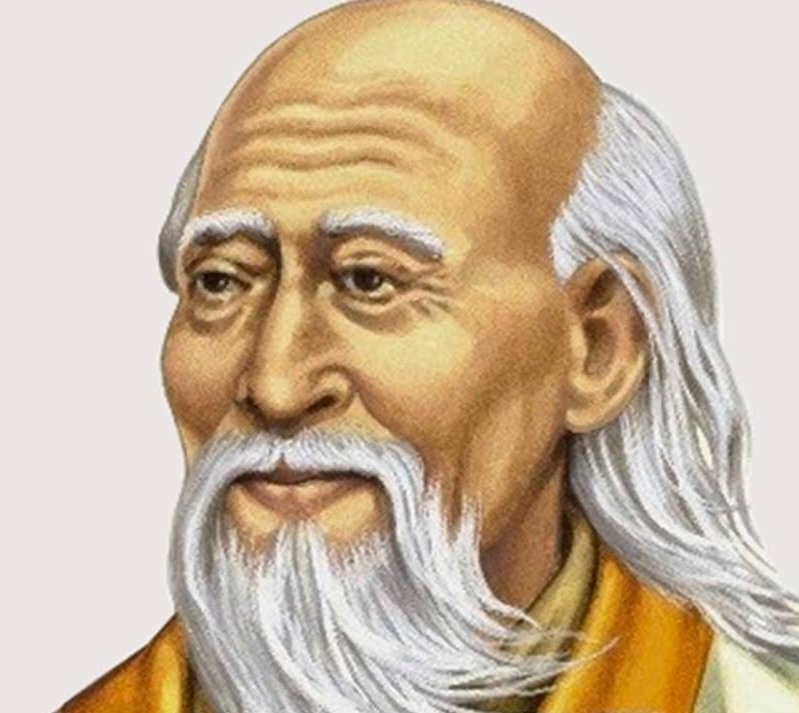
The imagery in Lao Tzu's quote evokes a striking contrast between the conventional notions of success and the deeper wisdom of humility. The sage, often depicted as a wise and enlightened figure, chooses to place himself last, suggesting a deliberate act of self-effacement. The verbs "puts" and "finds" are particularly telling; they imply an active choice to prioritize others, followed by a discovery of one's true place in the world. This movement from self-neglect to self-realization creates a felt sense of liberation, as the sage sheds the burdens of ego and ambition.
Moreover, the metaphor extends beyond individual behavior to encompass a broader philosophy of life. By positioning oneself last, the sage not only cultivates personal humility but also fosters an environment where collective well-being flourishes. This act of selflessness becomes a catalyst for deeper connections and mutual support, illustrating that true leadership is rooted in the ability to uplift others. In this way, Lao Tzu's teaching serves as a reminder that the path to greatness is often paved with acts of kindness and service.
In the speaker's tradition
Within the context of Taoism, Lao Tzu's insight aligns closely with the concept of wu wei, or "non-action." This principle encourages individuals to act in harmony with the natural flow of life, rather than forcing their will upon it. The sage's humility reflects an understanding that true power lies not in domination, but in yielding to the greater whole. This resonates with the Buddhist notion of sunyata, or emptiness, which teaches that the self is not a fixed entity but rather a dynamic interplay of relationships and experiences. Both traditions emphasize the importance of transcending the ego to realize one's interconnectedness with all beings.
Furthermore, the Tao Te Ching itself serves as a rich source of wisdom that complements this teaching. In Chapter 8, Lao Tzu describes the ideal person as one who embodies the qualities of water—gentle yet powerful, humble yet essential. This imagery reinforces the idea that true strength is found in adaptability and selflessness. By embracing these qualities, the sage not only elevates himself but also contributes to the harmony of the world around him, embodying the very essence of Taoist philosophy.
Living the teaching
In contemporary life, the application of Lao Tzu's teaching can be seen in various scenarios, particularly in the workplace. Consider a team leader who prioritizes the well-being of their team over personal accolades. By fostering an environment of collaboration and support, this leader not only enhances team morale but also cultivates a sense of loyalty and respect. In this context, the leader's willingness to put others first ultimately positions them as a trusted figure, demonstrating that true leadership is rooted in humility and service.
On a more personal level, this teaching can manifest in our relationships. Imagine a moment of conflict with a loved one, where the instinct might be to assert one's own perspective. By choosing to listen and prioritize the other person's feelings, we embody the sage's wisdom. This act of humility can transform the dynamic of the relationship, fostering deeper understanding and connection. In daily practice, we can cultivate this teaching through simple acts of kindness, reminding ourselves that by putting others first, we enrich our own lives in the process.
A reflection
As we reflect on Lao Tzu's profound words, we might ask ourselves: "In what areas of my life can I practice putting others first, and how might this shift my own sense of fulfillment?" This contemplative question invites us to explore the balance between self-care and selflessness, encouraging us to consider how our actions impact those around us. By embracing the wisdom of the sage, we open ourselves to a deeper understanding of leadership, connection, and the transformative power of humility.




Join the BrightStar Community
Stay connected with daily inspiration, event announcements, and community wisdom