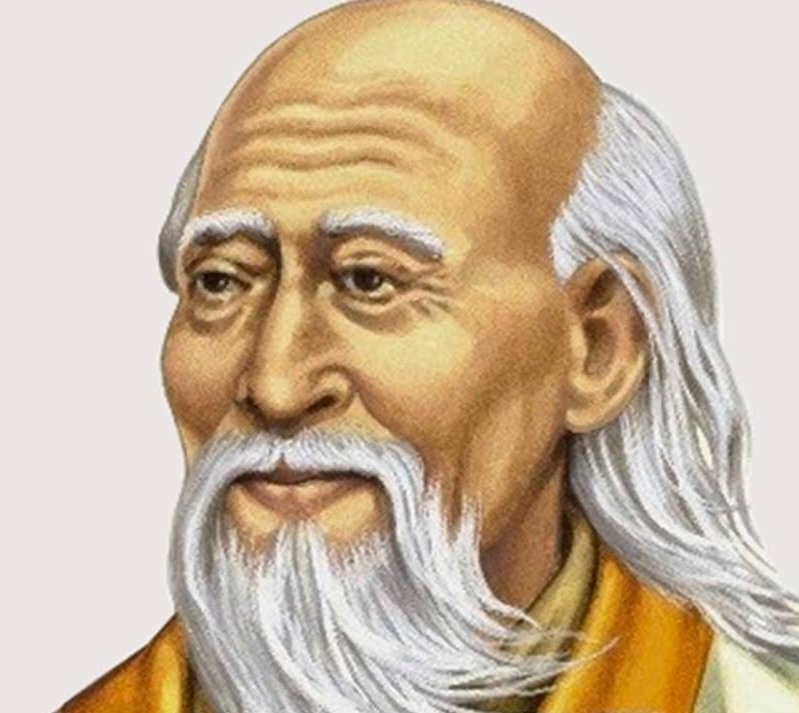
The Abundance of Giving: A Taoist Perspective
Lao Tzu's assertion that "the wise man does not lay up his own treasures. The more he gives to others, the more he has for his own" invites us to reconsider our understanding of wealth and abundance. This profound statement challenges the conventional notion that hoarding resources leads to security and fulfillment. Instead, it suggests that true richness lies in the act of giving, a theme that resonates deeply within the fabric of Taoist philosophy.
In a world often driven by competition and accumulation, Lao Tzu's wisdom serves as a gentle reminder of the interconnectedness of all beings. The act of giving not only enriches the lives of others but also cultivates a sense of inner wealth and satisfaction within ourselves. This teaching encourages us to transcend the ego's desire for possession and to embrace a more generous, open-hearted approach to life.
The image / the metaphor
The imagery in Lao Tzu's quote evokes a sense of fluidity and exchange, where treasures are not static possessions but dynamic gifts that circulate among individuals. The verbs "does not lay up" and "gives" imply an active engagement with the world, suggesting that true wisdom lies in recognizing the impermanence of material wealth. This perspective invites us to visualize treasures not as items to be hoarded but as energies to be shared, creating a vibrant tapestry of mutual support and abundance.
Diving deeper into the metaphor, we can see that the act of giving is akin to a river flowing freely, nourishing the land and all who dwell within its reach. When we give, we create ripples that extend far beyond our immediate surroundings, fostering connections and relationships that enrich our lives. This understanding of abundance as a shared experience rather than an individual possession invites us to cultivate a mindset of generosity, where the act of giving becomes a source of joy and fulfillment.
In the speaker's tradition
Within the context of Taoism, Lao Tzu's teaching aligns closely with the concept of "wu wei," or effortless action. This principle emphasizes the importance of aligning with the natural flow of life, which often involves letting go of rigid attachments and embracing a spirit of generosity. The idea of giving as a pathway to abundance resonates with other spiritual traditions as well, such as the Buddhist concept of "dana," which highlights the transformative power of generosity in cultivating compassion and interconnectedness.
Moreover, Lao Tzu's assertion can be compared to the notion of "kenosis" found in Christian mysticism, which speaks to the self-emptying love that allows for the fullness of divine grace. Just as the wise man in Lao Tzu's teaching finds richness in giving, the practice of kenosis invites individuals to release their ego-driven desires in order to experience a deeper connection with the divine and with others. This shared understanding across traditions underscores the universal truth that true wealth is found in the act of selfless giving.
Living the teaching
Consider a modern scenario where this teaching can be applied: a community food bank that relies on volunteers and donations to serve those in need. Individuals who contribute their time, resources, or skills often find that their own lives are enriched through the connections they forge and the gratitude they receive from those they help. In this context, the act of giving becomes a source of joy and fulfillment, illustrating Lao Tzu's assertion that the more one gives, the more one has.
In personal relationships, this teaching can manifest in the way we approach our interactions with loved ones. For instance, during a difficult moment, choosing to offer support and understanding rather than seeking to protect our own feelings can lead to deeper intimacy and connection. By prioritizing the needs of others, we cultivate a sense of abundance that transcends material possessions, reinforcing the idea that true wealth is found in the love and compassion we share.
A reflection
As we contemplate Lao Tzu's wisdom, we might ask ourselves: "In what ways can I embody the spirit of giving in my daily life?" This question invites us to reflect on our relationships, our communities, and our own inner landscapes, encouraging us to explore how we can contribute to the well-being of others while simultaneously enriching our own lives. By embracing this teaching, we open ourselves to a deeper understanding of abundance and the interconnectedness of all beings.


Join the BrightStar Community
Stay connected with daily inspiration, event announcements, and community wisdom