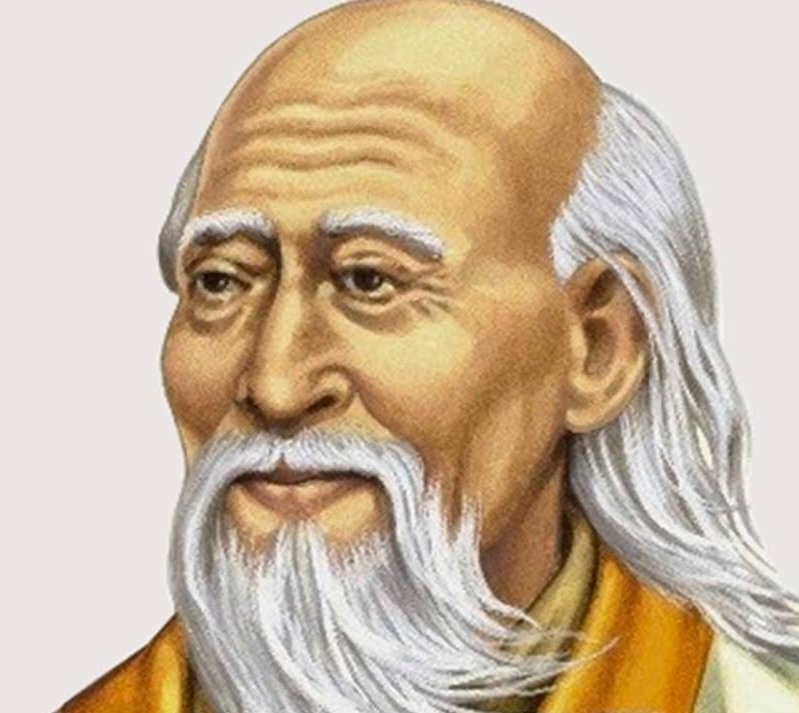
The Art of Effortless Action
Lao Tzu's profound assertion, "Therefore the sage acts without action, teaches without teaching," invites us to reconsider our understanding of action and knowledge. In a world that often equates doing with success and teaching with authority, this quote challenges us to embrace a more subtle, nuanced approach to life. It suggests that true wisdom lies not in overt actions or explicit teachings but in a deeper, more intuitive engagement with the world around us. This perspective is particularly relevant in our fast-paced society, where the pressure to perform can overshadow the value of stillness and presence.
Delving deeper, we find that Lao Tzu's wisdom speaks to the essence of being rather than doing. The sage embodies a state of wu-wei, or effortless action, which encourages us to align with the natural flow of life rather than resist it. This teaching resonates with the idea that sometimes the most impactful way to influence others is through quiet example rather than forceful instruction. By embodying the principles we wish to impart, we create a space for others to learn organically, fostering a deeper understanding that transcends mere words.
The image / the metaphor
The imagery in Lao Tzu's quote is rich and evocative, suggesting a dance between action and inaction. The phrase "acts without action" conjures the image of a river flowing effortlessly, carving its path through the landscape without force. This metaphor highlights the power of subtlety and the importance of timing; the sage knows when to engage and when to withdraw, allowing circumstances to unfold naturally. The choice of verbs—"acts" and "teaches"—implies a dynamic interplay, where the sage's influence is felt rather than imposed, creating a profound impact through presence rather than pressure.
Going deeper, we can see that this metaphor extends beyond mere physical action. It speaks to the internal state of the sage, who embodies a profound stillness that allows for clarity and insight. In this way, "teaches without teaching" suggests that the most profound lessons are often those that arise from lived experience rather than explicit instruction. The sage becomes a mirror, reflecting wisdom back to those around them, inviting others to discover their own truths rather than simply absorbing information. This approach fosters a deeper connection and understanding, allowing for a more organic form of learning.
In the speaker's tradition
Within the context of Taoism, Lao Tzu's teachings on wu-wei resonate deeply with the concept of living in harmony with the Tao, or the natural order of the universe. This philosophy emphasizes the importance of aligning oneself with the flow of life, rather than striving against it. The idea of kenosis, or self-emptying, found in other spiritual traditions, parallels this notion, suggesting that true wisdom arises when we let go of our ego-driven desires and allow ourselves to be guided by a greater force. In this way, the sage embodies the essence of the Tao, acting as a conduit for wisdom rather than a source of it.
Moreover, the Tao Te Ching itself serves as a foundational text that encapsulates these teachings. In Chapter 2, Lao Tzu elaborates on the duality of existence, illustrating how opposites define one another. The sage's ability to act without action reflects this duality, revealing that true strength often lies in restraint and understanding. By embracing the paradox of teaching without teaching, we are invited to explore the deeper layers of our existence, recognizing that wisdom often emerges from silence and stillness rather than from the clamor of words and actions.
Living the teaching
Consider a modern scenario where this teaching might resonate: a workplace environment filled with competition and ambition. In such a setting, a leader who embodies the principle of wu-wei may choose to step back during a team meeting, allowing others to voice their ideas and solutions. Rather than dominating the conversation, this leader creates an atmosphere of collaboration and trust, where team members feel empowered to contribute. By acting without overt action, the leader fosters a sense of ownership and creativity, demonstrating that true leadership often involves guiding others to find their own paths.
In the realm of personal relationships, the application of this teaching can be equally transformative. Imagine a situation where a friend is struggling with a difficult decision. Instead of offering unsolicited advice or attempting to solve their problem, one might simply listen, providing a safe space for the friend to explore their thoughts and feelings. This approach embodies the essence of teaching without teaching, allowing the friend to arrive at their own insights. By practicing this form of presence, we honor the wisdom inherent in others, fostering deeper connections and mutual understanding.
A reflection
As we contemplate Lao Tzu's profound words, we are invited to reflect on our own lives: In what areas do we find ourselves striving too hard, pushing against the natural flow of events? How might we embrace a more effortless approach, allowing ourselves to act without action and teach without teaching? This contemplation encourages us to explore the delicate balance between engagement and surrender, inviting us to trust in the wisdom of the moment and the unfolding of our experiences.


Join the BrightStar Community
Stay connected with daily inspiration, event announcements, and community wisdom