The Wisdom of Silence: Unraveling Lao Tzu's Profound Insight
In the enigmatic words of Lao Tzu, "Those who know do not speak. Those who speak do not know," we encounter a profound paradox that invites us to reconsider our relationship with knowledge and expression. This statement challenges the conventional understanding of wisdom, suggesting that true insight often resides in silence rather than in the clamor of words. In a world saturated with noise and information, Lao Tzu's wisdom implores us to reflect on the value of quietude and the depth of understanding that can emerge from it.
As we delve deeper into this quote, we recognize that it speaks not only to the nature of knowledge but also to the essence of communication itself. The act of speaking can often dilute the purity of understanding, transforming profound truths into mere chatter. Lao Tzu's assertion compels us to explore the spaces between words, where genuine wisdom often resides, and to consider how silence can be a powerful vehicle for deeper comprehension and connection.
The image / the metaphor
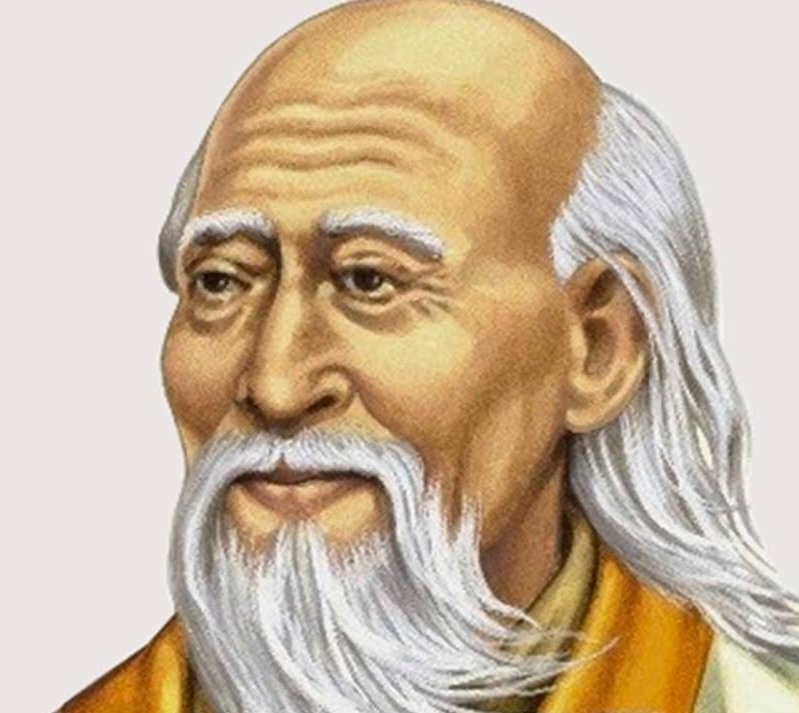
At first glance, the imagery in Lao Tzu's quote evokes a stark contrast between two states of being: knowing and speaking. The phrase "those who know do not speak" conjures an image of a sage, perhaps seated in quiet contemplation, embodying the stillness that accompanies deep understanding. In contrast, "those who speak do not know" suggests a cacophony of voices, each vying for attention, yet lacking the substance that true knowledge provides. The verbs chosen—"know" and "speak"—carry weight, indicating that the former is an internal, often solitary experience, while the latter is an external, social act.
Diving deeper into the metaphor, we can see that Lao Tzu is not merely contrasting silence with speech; he is inviting us to consider the nature of wisdom itself. Silence, in this context, becomes a fertile ground for reflection and insight, while speech can often lead to misunderstanding and superficiality. This dichotomy encourages us to cultivate a practice of listening and introspection, suggesting that the most profound truths may be found not in the words we utter but in the silence we embrace.
In the speaker's tradition
Lao Tzu's teachings are deeply rooted in the tradition of Taoism, which emphasizes harmony with the Tao, or the fundamental nature of the universe. Central to this philosophy is the concept of wu wei, or "non-action," which advocates for a way of being that aligns with the natural flow of life rather than forcing one's will upon it. In this light, the quote can be seen as an invitation to embody wu wei, suggesting that true wisdom arises from a state of being rather than a state of doing. This resonates with the idea of sunyata, or emptiness, in Buddhist thought, where the absence of attachment to concepts allows for a clearer perception of reality.
Furthermore, the notion of prajna, or wisdom, in Buddhist philosophy parallels Lao Tzu's assertion. Prajna is often described as a deep, intuitive understanding that transcends intellectual knowledge. In this sense, both traditions converge on the idea that the most profound insights come from a place of stillness and awareness, rather than from the incessant chatter of the mind. The Tao Te Ching itself serves as a testament to this understanding, offering verses that encourage readers to seek wisdom in simplicity and silence.
Living the teaching
In our modern lives, the teaching encapsulated in Lao Tzu's quote can manifest in various ways. Consider a workplace scenario where a team is engaged in a heated discussion about a project. Amidst the noise, one individual, who has been quietly observing, may possess a deeper understanding of the project's nuances. By choosing to listen rather than interject, this person can later offer insights that illuminate the path forward, demonstrating how silence can lead to clarity and effective action. This scenario illustrates the power of restraint and the value of allowing space for contemplation before contributing to the conversation.
Another application of this teaching can be found in personal relationships, particularly during moments of conflict. When emotions run high, the urge to speak can often lead to misunderstandings and escalation. By embracing silence, we create an opportunity for reflection and empathy, allowing ourselves to process our feelings before responding. This practice not only fosters deeper connections but also cultivates an atmosphere of respect and understanding, embodying the wisdom that Lao Tzu so eloquently articulates.
A reflection
As we contemplate Lao Tzu's profound insight, we are invited to reflect on our own relationship with knowledge and expression. In what areas of your life might you benefit from embracing silence over speech? Consider the moments when you feel compelled to share your thoughts—are they rooted in genuine understanding, or are they a response to external pressures? This contemplative question encourages us to explore the depths of our own wisdom and the transformative power of silence in our lives.


Join the BrightStar Community
Stay connected with daily inspiration, event announcements, and community wisdom