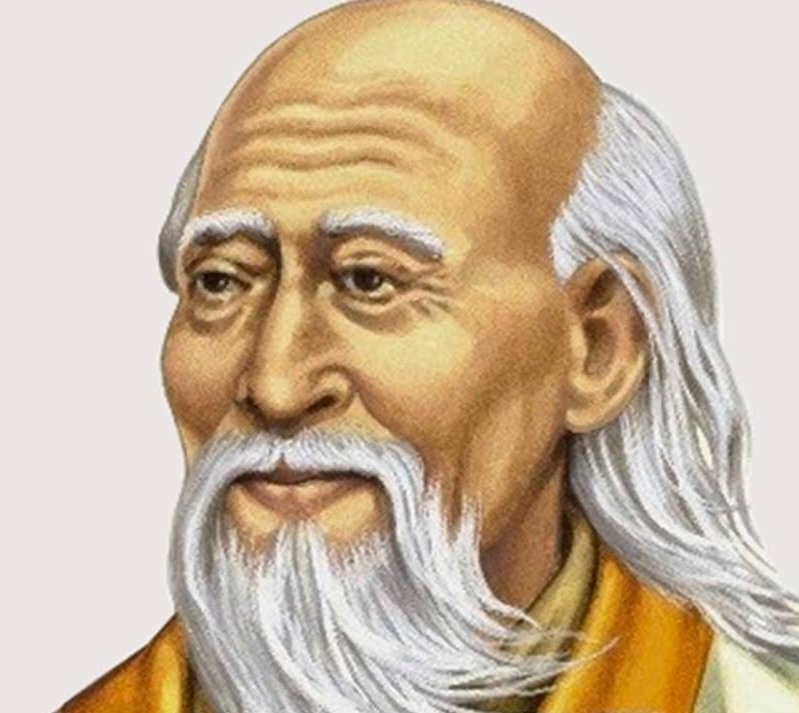
The Surrender of Stillness
In the profound words of Lao Tzu, "To the mind that is still, the whole universe surrenders." This statement invites us to explore the transformative power of stillness, suggesting that when we cultivate a tranquil mind, we open ourselves to the vastness of existence. The stakes are high: in a world filled with noise and distraction, the ability to find stillness becomes a gateway to deeper understanding and connection with the universe. This surrender is not about passivity; rather, it is an active engagement with the essence of life itself.
As we delve deeper into this quote, we recognize that stillness is not merely the absence of sound or movement; it is a state of being that allows us to perceive the world with clarity and depth. In this stillness, we can access a profound sense of presence, where the complexities of life dissolve into simplicity. Lao Tzu's wisdom beckons us to embrace this stillness, revealing that it is in this quietude that we can truly encounter the universe, allowing its mysteries to unfold before us.
The image / the metaphor
The imagery within Lao Tzu's quote evokes a serene landscape, where the mind is likened to a still pond reflecting the vast sky. The verbs "is" and "surrenders" suggest a dynamic relationship between the mind and the universe, where stillness is not a passive state but an active invitation for the universe to reveal itself. This surrender implies a relinquishing of control, a letting go of the incessant chatter that often clouds our perception. In this stillness, we find a profound receptivity, as if the universe is waiting to share its secrets with those who pause long enough to listen.
In the speaker's tradition
Lao Tzu's teachings are deeply rooted in the tradition of Taoism, which emphasizes harmony with the Tao, or the fundamental nature of the universe. Concepts such as wu wei, or effortless action, resonate with the idea of stillness, suggesting that true effectiveness arises not from forceful striving but from aligning oneself with the natural flow of life. This alignment requires a deep understanding of oneself and the world, akin to the Buddhist notion of sunyata, or emptiness, which invites us to let go of preconceived notions and embrace the present moment.
In the Tao Te Ching, Lao Tzu often speaks of the value of simplicity and humility, echoing the sentiment found in other spiritual traditions. For instance, the Christian concept of kenosis, or self-emptying, parallels the idea of surrendering to the universe. Both traditions highlight the importance of relinquishing the ego's grip to experience a deeper connection with the divine or the cosmos. This surrender is not a loss but a profound gain, as it opens the heart and mind to the richness of existence.
Living the teaching
Consider a modern scenario where this teaching can be applied: a busy professional overwhelmed by the demands of work and life. In the midst of deadlines and responsibilities, finding a moment of stillness can seem impossible. Yet, when this individual takes a few moments each day to pause, breathe, and cultivate a quiet mind, they may discover that the chaos around them begins to soften. In that stillness, clarity emerges, allowing them to approach their tasks with renewed focus and creativity, as if the universe is providing guidance through their own inner wisdom.
Another application of this teaching can be found in relationships, particularly during conflicts. When tensions rise, it is easy to react impulsively, driven by emotions. However, if one can pause and cultivate stillness, they may find that the heart of the issue becomes clearer. This presence allows for deeper listening and understanding, transforming potential discord into an opportunity for connection and growth. In these moments, the universe surrenders its wisdom, revealing pathways to resolution that were previously obscured by noise and agitation.
A reflection
As we contemplate Lao Tzu's profound insight, we are invited to reflect on our own relationship with stillness. How often do we allow ourselves to cultivate a quiet mind amidst the chaos of daily life? In what ways can we create space for this stillness, and how might it transform our perception of the universe around us? Let this question linger in your heart as you navigate the complexities of existence, inviting the universe to reveal its mysteries through the lens of a still mind.


Join the BrightStar Community
Stay connected with daily inspiration, event announcements, and community wisdom