The Weight of the Small: Embracing the Subtle in Life
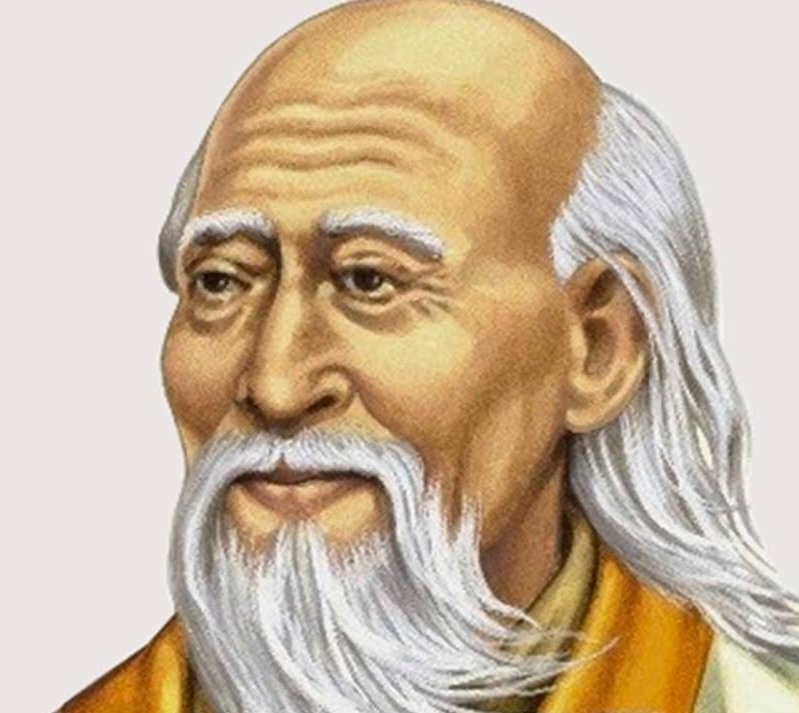
Lao Tzu's profound assertion, "Treat the small as if it were big and few as if it were many," invites us to reconsider our relationship with the seemingly insignificant aspects of our lives. In a world that often prioritizes the grand and the overwhelming, this wisdom beckons us to cultivate a deeper awareness and appreciation for the subtle nuances that surround us. By elevating the small and the few, we not only enrich our experiences but also foster a sense of gratitude and mindfulness that can transform our perception of reality.
This teaching resonates deeply in a culture that frequently equates value with magnitude. In our pursuit of success, we often overlook the small victories and the quiet moments that hold the potential for profound insight. Lao Tzu encourages us to shift our focus, reminding us that the essence of life is often found in the overlooked details. By treating the small as significant, we open ourselves to a more expansive understanding of existence, one that honors the interconnectedness of all things.
The image / the metaphor
The imagery in Lao Tzu's quote is rich and evocative, suggesting a deliberate act of elevation. To "treat the small as if it were big" implies an intentionality in our perception, urging us to recognize the inherent value in the minutiae of life. The choice of verbs—"treat" and "were"—indicates a call to action, a reminder that our attitudes shape our experiences. This perspective invites us to engage with the world in a way that honors the subtle, allowing us to find depth in what might otherwise be dismissed as trivial.
In the speaker's tradition
Within the context of Taoism, Lao Tzu's teaching resonates with the concept of "wu wei," or effortless action. This principle emphasizes the importance of aligning oneself with the natural rhythms of life, allowing for a fluid and responsive engagement with the world. By treating the small as significant, we practice a form of mindfulness that aligns with the Taoist understanding of existence as a dynamic interplay of forces. This approach encourages us to embrace simplicity and humility, recognizing that true wisdom often lies in the quiet moments.
Furthermore, this teaching can be connected to the notion of "sunyata," or emptiness, found in Buddhist philosophy. Just as sunyata invites us to see beyond the surface of things, Lao Tzu's wisdom encourages us to look deeper into the small and the few. In both traditions, there is a recognition that the essence of life is often hidden beneath layers of distraction and noise. By cultivating a sense of presence and appreciation for the subtle, we can uncover the richness that lies within the ordinary.
Living the teaching
Consider a modern scenario where this teaching might apply: a busy professional who often overlooks the small gestures of kindness from colleagues. In the rush to meet deadlines and achieve goals, they may fail to acknowledge the supportive words or small acts of assistance that contribute to a positive work environment. By consciously treating these small interactions as significant, the professional can foster a deeper sense of connection and gratitude, enhancing their overall experience at work and cultivating a more harmonious atmosphere.
In a different context, this teaching can be applied to personal relationships. Imagine a parent who is preoccupied with the larger milestones of their child's development—academic achievements, sports victories—while neglecting the everyday moments of connection, such as shared laughter over breakfast or a quiet conversation before bed. By treating these small interactions as if they were monumental, the parent can deepen their bond with their child, creating a foundation of love and understanding that transcends the fleeting nature of life’s grand events.
A reflection
As we contemplate Lao Tzu's wisdom, we are invited to reflect on our own lives: In what ways do we overlook the small and the few? What might change if we began to treat these moments with the reverence they deserve? By engaging with this question, we can cultivate a practice of mindfulness that honors the richness of our experiences, allowing us to find beauty and meaning in the everyday.



Join the BrightStar Community
Stay connected with daily inspiration, event announcements, and community wisdom