Illuminating the Inner Vision
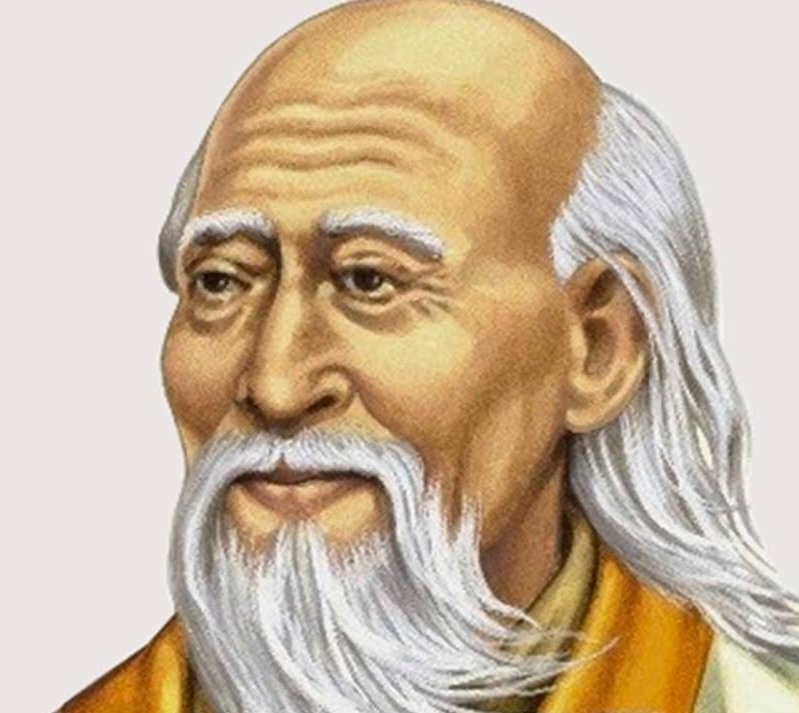
Lao Tzu's profound assertion, "Use the light that is in you to revert to your natural clearness of sight," invites us to explore the depths of our inner wisdom. This call to action emphasizes the importance of recognizing and harnessing the innate light within us, a light that serves as a guide back to our authentic selves. In a world often clouded by distractions and illusions, this wisdom becomes essential for navigating the complexities of life and rediscovering clarity in our perceptions.
At its core, this quote speaks to the transformative power of self-awareness and introspection. By turning inward and tapping into our inherent luminosity, we can dispel the fog of confusion that often obscures our vision. This journey back to clarity is not merely a personal endeavor; it is a collective awakening to the wisdom that resides within each of us, urging us to embrace our true nature and live in harmony with the world around us.
The image / the metaphor
The imagery in Lao Tzu's quote is rich and evocative, conjuring the notion of light as both a source of illumination and a metaphor for wisdom. The phrase "the light that is in you" suggests an inner radiance, a guiding force that can lead us toward understanding and insight. The act of "reverting" implies a return to a state of purity and clarity, as if we are shedding layers of confusion that have accumulated over time. This journey back to our "natural clearness of sight" evokes a sense of awakening, where we are encouraged to see the world—and ourselves—without the distortions of fear, doubt, or societal conditioning.
Diving deeper into the metaphor, we can understand this light as a representation of our true essence, often obscured by the complexities of modern life. Just as a candle flickers in the dark, our inner light can guide us through moments of uncertainty and confusion. The clarity of sight that Lao Tzu speaks of is not merely about physical vision; it encompasses a deeper understanding of our place in the universe and our interconnectedness with all beings. This metaphor invites us to cultivate a practice of mindfulness, allowing us to see beyond the surface and recognize the profound truths that lie within.
In the speaker's tradition
Within the context of Taoism, Lao Tzu's teaching resonates with the concept of *wu wei*, or effortless action, which encourages us to align with the natural flow of life. This alignment requires a deep understanding of oneself and the world, achieved through the cultivation of inner light and wisdom. The notion of returning to our "natural clearness of sight" parallels the Taoist belief in *ziran*, or naturalness, suggesting that clarity arises when we let go of artificial constructs and embrace our authentic selves. This journey inward is not merely a personal quest; it is a path toward harmony with the Tao, the fundamental principle that underlies all existence.
Moreover, Lao Tzu's wisdom can be compared to the Buddhist concept of *sunyata*, or emptiness, which emphasizes the importance of seeing beyond the illusions of the ego. Just as the light within us illuminates our true nature, the realization of emptiness allows us to perceive the interconnectedness of all things. In both traditions, the journey toward clarity involves shedding the layers of illusion that cloud our vision, ultimately leading us to a profound understanding of our place in the cosmos.
Living the teaching
Consider a modern scenario where this teaching can be applied: a busy professional overwhelmed by the demands of work and life. In the midst of deadlines and expectations, it is easy to lose sight of one's true purpose and values. By taking a moment to pause and reflect, this individual can tap into their inner light, allowing it to guide their decisions and actions. This practice of introspection can lead to a renewed sense of clarity, helping them to prioritize what truly matters and navigate their responsibilities with greater ease and authenticity.
Another application of this teaching can be found in interpersonal relationships, particularly during moments of conflict. When disagreements arise, it is common to become entangled in misunderstandings and emotional reactions. By invoking the light within, individuals can cultivate empathy and compassion, allowing them to see the situation from a broader perspective. This shift in perception not only fosters healthier communication but also deepens the connection between individuals, as they move beyond their egos and embrace a shared understanding of their humanity.
A reflection
As we contemplate Lao Tzu's invitation to "use the light that is in you," we are called to examine the ways in which we can cultivate clarity in our lives. What practices can we engage in to illuminate our inner wisdom and guide our actions? In moments of uncertainty or confusion, how might we turn inward to access the light that resides within us? Reflecting on these questions can lead us to a deeper understanding of ourselves and our place in the world, ultimately guiding us toward a more authentic and harmonious existence.




Join the BrightStar Community
Stay connected with daily inspiration, event announcements, and community wisdom