The Power of Authenticity: A Journey into Self-Respect
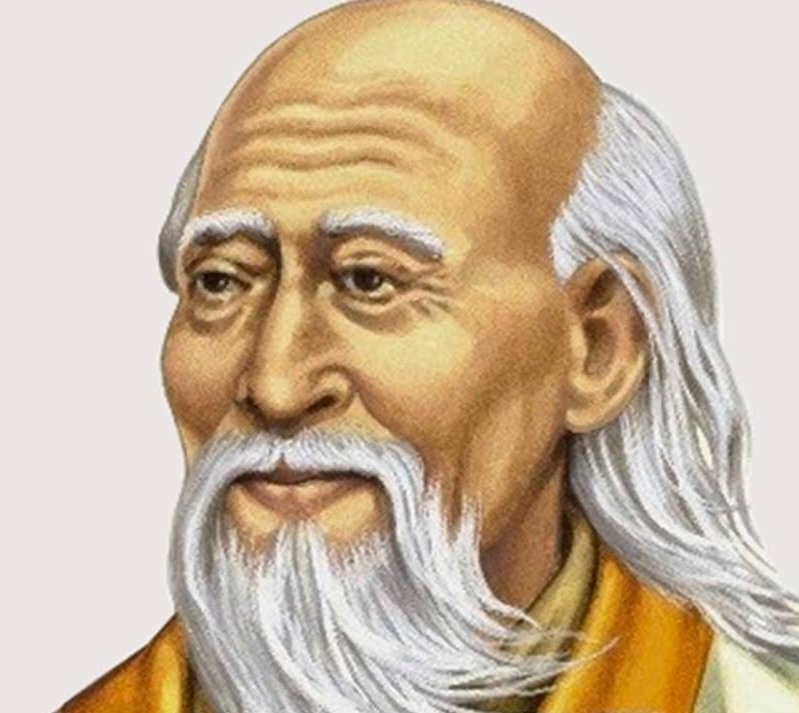
Lao Tzu's assertion that "When you are content to be simply yourself, everyone will respect you" invites us to explore the profound connection between self-acceptance and the respect we receive from others. In a world often driven by external validation and societal expectations, this wisdom serves as a gentle reminder that true respect arises not from conforming to others' ideals but from embracing our authentic selves. The stakes are high; in a culture that frequently equates worth with achievement or appearance, the journey toward self-contentment can feel daunting yet essential.
Delving deeper, this quote encapsulates a fundamental truth about human relationships and self-perception. It suggests that the essence of respect is rooted in authenticity, a quality that resonates deeply within the hearts of others. When we allow ourselves to be vulnerable and genuine, we create a space for mutual respect and understanding. This teaching encourages us to shed the masks we wear and to embrace our true nature, fostering connections that are both meaningful and transformative.
The image / the metaphor
The imagery in Lao Tzu's words evokes a sense of simplicity and clarity. To be "simply yourself" suggests a state of being that is unadorned and free from the complexities of pretense. The choice of the verb "content" implies a deep-seated peace and acceptance of one's own identity, a tranquility that radiates outward. This contentment is not passive; rather, it is an active engagement with one's true self, a recognition that who we are is enough.
As we explore this metaphor further, we can see that being oneself is akin to a tree standing tall in a forest, unbothered by the winds that may sway its branches. The tree does not strive to be anything other than what it is; it simply grows, nourished by the earth and the sun. In this way, Lao Tzu's teaching encourages us to cultivate our inner strength and authenticity, allowing our true nature to flourish without the need for external approval.
In the speaker's tradition
Within the rich tapestry of Taoism, Lao Tzu's wisdom resonates with the concept of "wu wei," or effortless action. This principle emphasizes the importance of aligning oneself with the natural flow of life, rather than forcing oneself into molds dictated by societal expectations. The idea of being content with oneself aligns closely with the Taoist understanding of harmony, where acceptance of one's nature leads to a more profound connection with the world around us. In this context, humility emerges as a vital aspect of self-respect, allowing us to navigate life with grace and authenticity.
Moreover, the notion of "sunyata," or emptiness, found in Buddhist thought, parallels Lao Tzu's teaching. Just as sunyata invites us to let go of attachments and preconceived notions of self, so too does Lao Tzu encourage us to release the burdens of expectation. In the "Tao Te Ching," the emphasis on simplicity and humility serves as a guiding light, reminding us that true wisdom lies in recognizing our place within the greater tapestry of existence.
Living the teaching
Consider a modern scenario where this teaching can be applied: a workplace environment where individuals often feel pressured to conform to specific roles or personas. Imagine a colleague who, instead of striving to fit into the corporate mold, embraces their unique qualities and perspectives. This authenticity not only garners respect from peers but also fosters a culture of openness and collaboration. By being true to oneself, this individual inspires others to do the same, creating a ripple effect of genuine respect and connection.
In the realm of personal relationships, the teaching of self-contentment can be equally transformative. Picture a moment of conflict between partners, where one person feels the need to defend their actions or beliefs. By choosing to be simply themselves—expressing their feelings honestly and without pretense—they create an opportunity for deeper understanding and respect. This vulnerability can pave the way for healing and connection, illustrating how embracing one's true self can lead to more authentic and fulfilling relationships.
A reflection
As we contemplate Lao Tzu's profound insight, we are invited to reflect on our own lives: What does it mean for you to be simply yourself? In a world that often demands conformity, how can you cultivate a deeper sense of self-acceptance? This question encourages us to explore the layers of our identity, to embrace our uniqueness, and to recognize that true respect begins within. By nurturing our authentic selves, we open the door to a more respectful and harmonious existence with others.


Join the BrightStar Community
Stay connected with daily inspiration, event announcements, and community wisdom