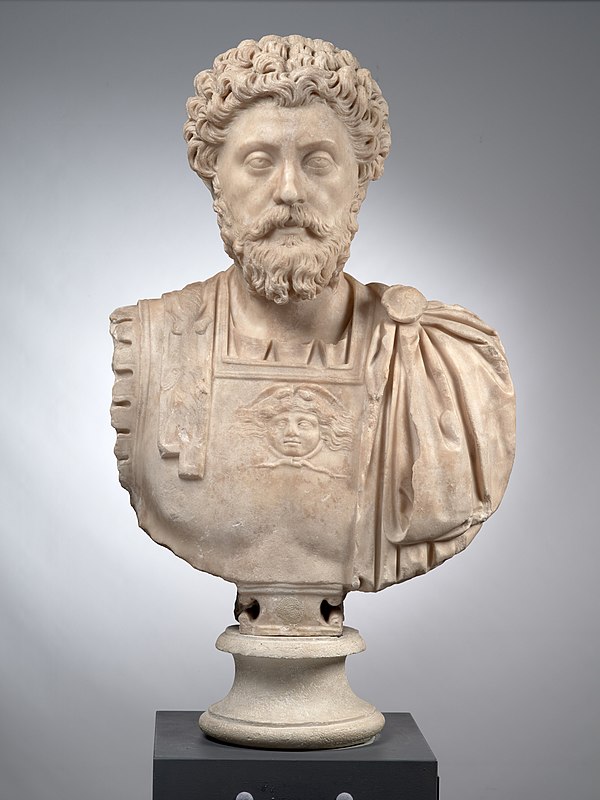
Standing Firm Amidst Life's Tempests
Marcus Aurelius invites us to embody the strength of a cliff, steadfast against the relentless waves of life. In this metaphor, he emphasizes the importance of equanimity and resilience in the face of adversity. The quote serves as a reminder that while external circumstances may be tumultuous, our inner fortitude can remain unshaken. This teaching resonates deeply in a world where uncertainty and challenges are constants, urging us to cultivate a sense of stability within ourselves.
To be like the cliff is to embrace a profound sense of inner strength, one that is not swayed by the ebbs and flows of external events. It calls for a conscious choice to remain grounded, regardless of the chaos that may surround us. This notion of standing firm is not merely about enduring hardship; it is about embodying a strength that is both resilient and serene. In a society often characterized by rapid change and emotional turbulence, Aurelius's wisdom offers a sanctuary of calm, encouraging us to cultivate an unwavering spirit.
The image / the metaphor
The imagery of a cliff enduring the ceaseless assault of waves evokes a visceral sense of strength and stability. The cliff, with its solid form, represents an unyielding presence, while the waves symbolize the challenges and adversities that life relentlessly presents. The choice of verbs—“break” and “stands firm”—highlights the dynamic tension between external forces and internal resolve. This metaphor encapsulates the essence of Stoic philosophy, where the focus lies not on controlling the external world but on mastering our responses to it.
In the speaker's tradition
Marcus Aurelius's teachings are deeply rooted in Stoicism, a philosophy that emphasizes the importance of virtue, wisdom, and the cultivation of inner peace. Central to Stoic thought is the concept of equanimity, which encourages individuals to maintain a balanced mind amidst the chaos of life. This aligns with the Buddhist notion of *sunyata*, or emptiness, which teaches that our perceptions of reality are often clouded by attachment and aversion. Both traditions advocate for a profound understanding of the self and the impermanence of external circumstances.
In his *Meditations*, Aurelius often reflects on the transient nature of life and the importance of focusing on what is within our control. For instance, he writes, “You have power over your mind—not outside events. Realize this, and you will find strength.” This echoes the sentiment of the cliff metaphor, reinforcing the idea that our true strength lies not in resisting the waves but in mastering our inner landscape. By cultivating this awareness, we can navigate life's challenges with a sense of purpose and clarity.
Living the teaching
Consider a modern scenario where this teaching resonates: a professional facing constant criticism at work. The waves of negative feedback can feel overwhelming, threatening to erode one's confidence and sense of self-worth. By embodying the strength of the cliff, the individual can choose to remain grounded, focusing on their intrinsic value and the quality of their work rather than the external judgments. This approach not only fosters resilience but also empowers them to engage constructively with feedback, transforming potential turmoil into opportunities for growth.
In the realm of relationships, this teaching can manifest during conflicts with loved ones. When faced with emotional turbulence, one might feel tempted to react impulsively, allowing the waves of anger or frustration to dictate their responses. However, by embodying the steadfastness of the cliff, one can pause, reflect, and respond with compassion and understanding. This practice of remaining firm in one’s values while navigating the emotional currents of relationships fosters deeper connections and promotes harmony, illustrating the profound impact of Aurelius's wisdom in our daily lives.
A reflection
As we contemplate the essence of Marcus Aurelius's teaching, we are invited to reflect on our own lives: In what areas do we find ourselves being swept away by the waves of external circumstances? How can we cultivate the strength of the cliff, standing firm in our values and principles amidst life's challenges? This contemplative question encourages us to explore the depths of our resilience and to embrace the power of equanimity as we navigate the complexities of existence.


Join the BrightStar Community
Stay connected with daily inspiration, event announcements, and community wisdom