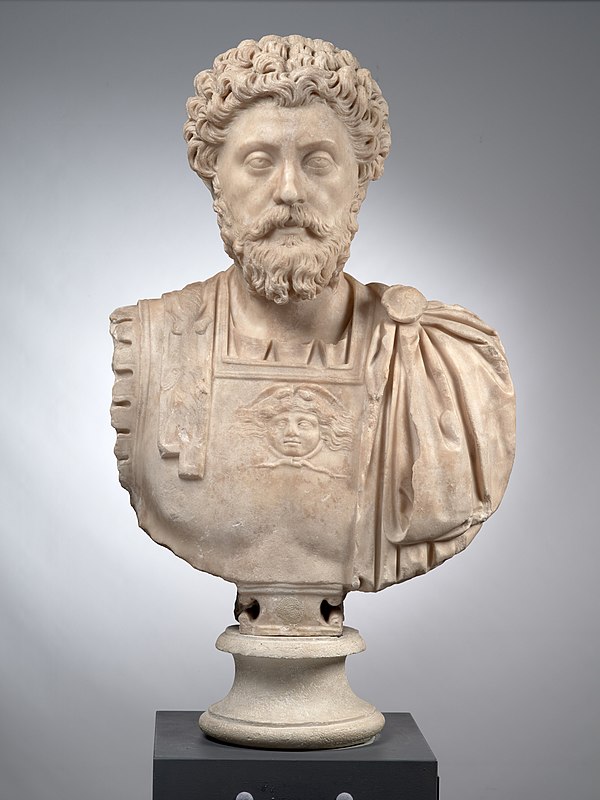
Embracing the Unpleasant: A Stoic Morning Ritual
In the quote from Marcus Aurelius, he invites us to begin our day with a profound acknowledgment of the challenges we will inevitably face: the busybody, the ungrateful, the arrogant, and the deceitful. By framing our morning with this awareness, Aurelius sets the stage for a day rooted in equanimity and resilience. This practice is not merely about anticipating negativity; it is a call to prepare our hearts and minds for the inevitable trials of human interaction, thus allowing us to navigate our lives with greater wisdom and composure.
To say that we will encounter such individuals is to recognize the shared human experience of imperfection. Aurelius does not suggest that we should expect the worst, but rather that we should cultivate a mindset that is prepared for the complexities of human nature. This preparation is essential for maintaining our inner peace and integrity, as it allows us to respond to others with understanding rather than frustration. In this way, the morning becomes a sacred time for setting intentions that align with our values, fostering a sense of purpose as we step into the world.
The image / the metaphor
The imagery in Aurelius's quote is striking in its clarity. He uses the act of greeting the day with a mental checklist of potential adversities, which serves as a metaphor for the broader human experience. The verbs he chooses—"meet," "say," "shall"—imply an active engagement with our circumstances rather than a passive acceptance. This proactive stance encourages us to confront the day with a sense of agency, reminding us that while we cannot control the actions of others, we can control our reactions to them.
Diving deeper into this metaphor, we find that the morning ritual becomes a form of mental armor, equipping us to face the world with resilience. By acknowledging the presence of negative traits in others, we cultivate a sense of empathy and understanding. This does not mean we condone such behaviors; rather, we recognize them as part of the human condition. In doing so, we create space for compassion, allowing us to respond with grace rather than indignation, thus transforming potential conflict into an opportunity for growth.
In the speaker's tradition
Marcus Aurelius stands as a pillar of Stoic philosophy, a tradition that emphasizes the importance of virtue, reason, and the acceptance of what we cannot control. His teachings resonate with concepts found in other spiritual traditions, such as the Buddhist notion of *sunyata*, or emptiness, which encourages us to see beyond the surface of our experiences. Just as the Stoics advocate for the cultivation of inner strength in the face of adversity, many Eastern philosophies emphasize the importance of detachment from the ego and the acceptance of life's inherent suffering.
In his *Meditations*, Aurelius often reflects on the transient nature of life and the necessity of aligning our actions with our values. This aligns closely with the Buddhist practice of *dharma*, which calls for living in accordance with the natural order of the universe. Both traditions urge us to cultivate a sense of inner peace that is not easily shaken by external circumstances. By preparing ourselves for the challenges of the day, we embody the Stoic ideal of *apatheia*, a state of being where we are not disturbed by the passions and vices of others.
Living the teaching
Consider a modern scenario where this teaching might resonate: you wake up to a busy day filled with meetings and social interactions. As you prepare your mind, you remind yourself that you may encounter a colleague who is often critical or a friend who tends to be self-absorbed. By acknowledging these potential challenges in advance, you equip yourself with the mental tools to respond with patience and understanding, rather than allowing frustration to dictate your mood. This preparation transforms your day from a potential minefield into a landscape of opportunities for practicing compassion.
In a different context, imagine a difficult conversation with a loved one who has been acting out of character. By recalling Aurelius's wisdom, you can approach the situation with a mindset that anticipates defensiveness or hurt feelings. Instead of reacting impulsively, you can choose to respond with empathy, recognizing that their behavior may stem from their own struggles. This practice of mental preparation not only fosters healthier relationships but also deepens your own capacity for love and understanding, allowing you to navigate the complexities of human connection with grace.
A reflection
As we reflect on Aurelius's invitation to prepare for the day, we might ask ourselves: How can I cultivate a mindset of equanimity in the face of adversity? This question encourages us to explore our own responses to the challenges we encounter and to consider how we might transform our interactions with others. By embracing the wisdom of preparation, we can begin to navigate our lives with a greater sense of purpose and clarity, ultimately fostering a deeper connection to ourselves and the world around us.


Join the BrightStar Community
Stay connected with daily inspiration, event announcements, and community wisdom