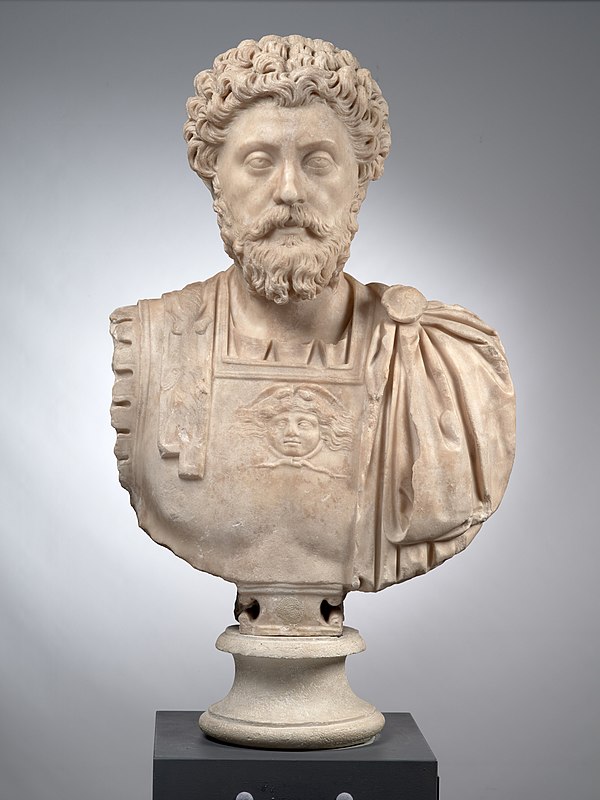
Embracing the Impermanence of Life
Marcus Aurelius, in his profound reflection, urges us to live with the awareness of our mortality. He reminds us not to act as if we have an endless span of years ahead, for death is an inevitable companion that shadows our existence. While we are alive, we possess the unique opportunity to cultivate goodness and virtue. This call to action is not merely a philosophical musing; it is a vital reminder that our time is finite, and how we choose to spend it holds immense significance.
In a world often preoccupied with distractions and the illusion of permanence, Aurelius's words serve as a grounding force. They invite us to confront the reality of our mortality, not with despair, but with a sense of urgency and purpose. By recognizing the transient nature of life, we are encouraged to prioritize our actions and intentions, fostering a life imbued with meaning and virtue. This perspective is not just about the end of life; it is about how we engage with each moment, reminding us that the present is where our power lies.
The image / the metaphor
The imagery in Aurelius's quote is striking and evocative. The phrase "Do not act as if thou wert going to live ten thousand years" conjures a sense of urgency, a reminder that life is not an infinite journey but a fleeting experience. The verb "act" implies a call to conscious engagement; it suggests that our choices and behaviors are not merely reactions but deliberate actions that shape our character and legacy. The metaphor of death "hanging over thee" serves as a poignant reminder of the ever-present reality of mortality, urging us to live with intention and integrity.
Diving deeper into this metaphor, we find that death is not merely an end but a catalyst for living fully. By acknowledging its presence, we can cultivate a deeper appreciation for life itself. This awareness can transform our approach to daily challenges and interactions, prompting us to act with kindness and purpose. The urgency of our mortality can inspire us to transcend trivial concerns and focus on what truly matters—our relationships, our values, and our contributions to the world.
In the speaker's tradition
Marcus Aurelius stands as a central figure in Stoicism, a philosophical tradition that emphasizes virtue, reason, and the acceptance of fate. Within this framework, the concept of "virtue" is paramount; it is the guiding principle that shapes our actions and decisions. Stoicism teaches that while we cannot control external events, we can control our responses to them, aligning our actions with our values. This resonates with the idea of "dharma" in Eastern philosophies, where living in accordance with one's true nature and purpose is essential for a fulfilling life.
In his "Meditations," Aurelius often reflects on the nature of existence and the importance of living in accordance with reason and virtue. His thoughts echo the sentiments found in other Stoic texts, such as Epictetus's "Enchiridion," where the focus is on the importance of distinguishing between what is within our control and what is not. Both philosophers emphasize that our time is limited and that we must act wisely and virtuously while we have the opportunity, reinforcing the urgency of Aurelius's message.
Living the teaching
Consider a modern scenario where this teaching resonates profoundly: a busy professional caught in the relentless cycle of work and ambition. This individual may find themselves postponing meaningful connections with family and friends, believing that there will always be time to nurture those relationships later. However, the awareness of mortality, as articulated by Aurelius, serves as a wake-up call. It encourages this person to prioritize moments of connection, to be present with loved ones, and to infuse their daily life with acts of kindness and compassion, recognizing that time is a precious resource.
In a different context, imagine a challenging moment in a relationship where misunderstandings and grievances have built up over time. Aurelius's teaching can inspire one to approach the situation with a renewed sense of urgency and clarity. Instead of allowing resentment to fester, one might choose to engage in open communication, expressing feelings honestly and seeking resolution. This act of embracing the present moment and addressing issues directly reflects the Stoic ideal of living virtuously, reminding us that our interactions are opportunities for growth and connection.
A reflection
As we contemplate Marcus Aurelius's profound reminder of our mortality, we are invited to reflect on our own lives. Are we living each day with the awareness that our time is limited? How can we embody goodness and virtue in our actions, knowing that every moment is an opportunity to make a meaningful impact? In this spirit, consider this contemplative question: What small act of kindness or virtue can you commit to today, knowing that it contributes to the legacy you wish to leave behind?


Join the BrightStar Community
Stay connected with daily inspiration, event announcements, and community wisdom