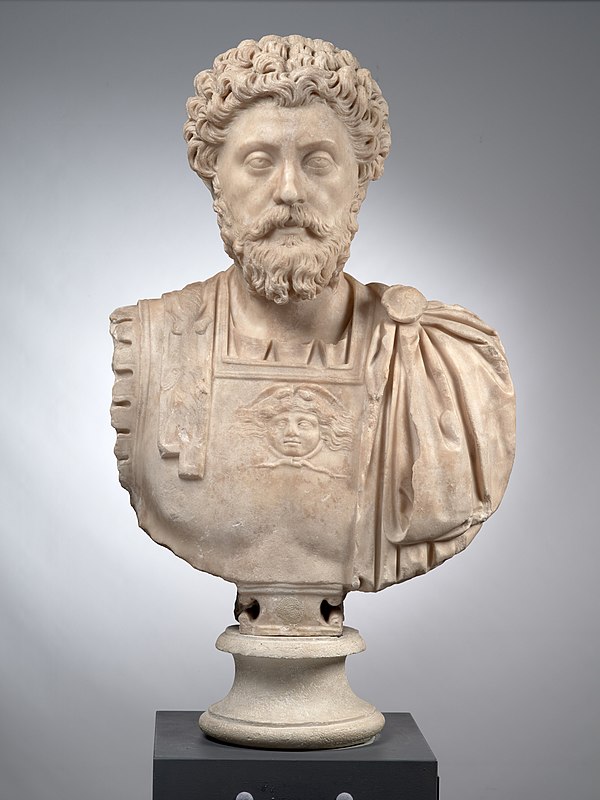
Becoming the Good: A Stoic Call to Action
Marcus Aurelius, in his succinct yet profound statement, urges us to cease the endless debate over the nature of goodness and instead embody it ourselves. "Don't waste any more time arguing what a good man is. Be one." This call to action resonates deeply in a world often preoccupied with definitions and theories, where the essence of virtue can become obscured by intellectual discourse. The stakes are high; our lives are fleeting, and the time spent in argument can detract from the very essence of what it means to live a virtuous life.
In a society that frequently prioritizes opinion over action, Aurelius's words serve as a powerful reminder that true understanding is rooted in practice. The challenge lies not in the articulation of virtue but in its manifestation through our daily choices and interactions. This quote invites us to reflect on our own lives and consider how we can move beyond mere discussion to genuine action, embodying the values we hold dear. It is a call to authenticity, urging us to align our thoughts with our deeds.
The image / the metaphor
At first glance, Aurelius's statement is straightforward, yet it is rich with imagery and action-oriented verbs. The phrase "don't waste any more time" evokes a sense of urgency, suggesting that the pursuit of goodness is not a passive endeavor but an active one. The directive to "be one" emphasizes the importance of personal agency and responsibility. It paints a vivid picture of an individual stepping away from the sidelines of philosophical debate and into the arena of life, where true virtue is tested and revealed.
Diving deeper into the metaphor, we can see that Aurelius is not merely advocating for action but for a transformation of self. The call to "be" implies a state of being that transcends mere behavior; it suggests an internal alignment with the virtues we aspire to embody. This transformation requires introspection and commitment, as it challenges us to cultivate the qualities of a good person within ourselves. The imagery here is not just about doing good deeds but about becoming a vessel of goodness, radiating virtue in every aspect of our lives.
In the speaker's tradition
Marcus Aurelius stands as a central figure in Stoicism, a philosophical tradition that emphasizes virtue as the highest good. In Stoic thought, the concept of virtue is closely tied to the idea of living in accordance with nature and reason. This aligns with the Eastern concept of dharma, which also emphasizes living in harmony with one's true nature and responsibilities. Aurelius's call to action reflects the Stoic belief that philosophy is not merely an intellectual exercise but a guide for living a virtuous life.
In his work "Meditations," Aurelius often reflects on the importance of self-discipline, rationality, and the cultivation of inner strength. He writes, "The happiness of your life depends upon the quality of your thoughts." This sentiment echoes the essence of his quote, as it underscores the necessity of aligning our thoughts with our actions. The Stoic practice of self-examination and mindfulness serves as a foundation for becoming the good person we aspire to be, reinforcing the idea that virtue is both a personal journey and a communal responsibility.
Living the teaching
Consider a modern scenario where this teaching resonates: a workplace filled with gossip and negativity. Employees may spend hours discussing what makes a good leader, critiquing management styles, or debating the ethics of corporate decisions. In this environment, Aurelius's words serve as a powerful reminder that rather than engaging in endless discussions, individuals can choose to embody the qualities they seek in a leader—integrity, empathy, and accountability. By acting in accordance with these virtues, they can inspire change and foster a more positive workplace culture.
Another application of this teaching can be found in personal relationships. Imagine a situation where misunderstandings and conflicts arise between friends or family members. Instead of arguing over who is right or wrong, Aurelius's call to "be" a good person encourages us to approach these conflicts with compassion and understanding. By actively listening, seeking to understand the other person's perspective, and responding with kindness, we embody the virtues of patience and love. This shift from debate to action can transform relationships, fostering deeper connections and mutual respect.
A reflection
As we contemplate Aurelius's profound statement, we are left with a vital question: In what areas of our lives are we still debating the nature of goodness rather than embodying it? This question invites us to reflect on our daily actions and interactions, challenging us to identify moments where we can step into the role of the good person we aspire to be. By embracing this inquiry, we open ourselves to the transformative power of action, allowing our lives to become a testament to the virtues we hold dear.




Join the BrightStar Community
Stay connected with daily inspiration, event announcements, and community wisdom