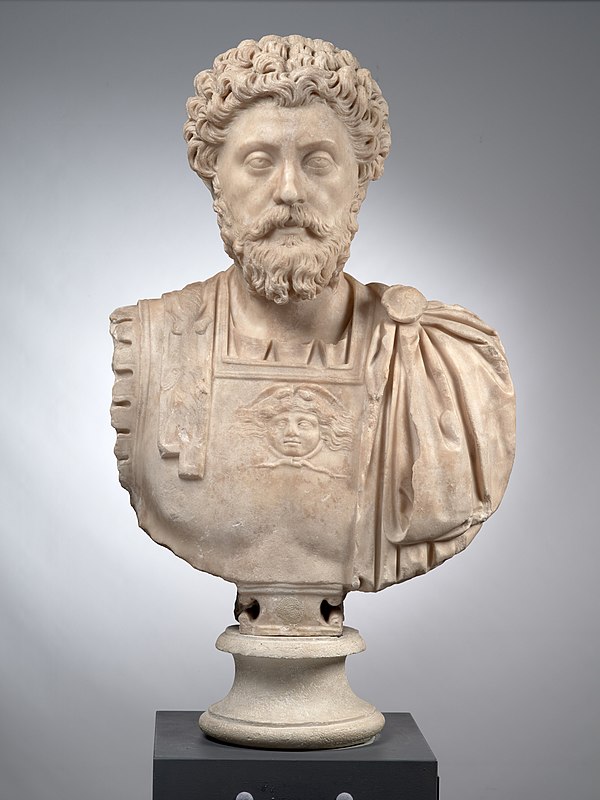
The Freedom Found in Detachment
In the words of Marcus Aurelius, "How much trouble he avoids who does not look to see what his neighbour says or does or thinks." This profound observation invites us to consider the burdens we carry when we become overly concerned with the opinions and actions of others. In a world rife with distractions and judgments, Aurelius offers a pathway to tranquility by suggesting that our peace of mind is often compromised by our fixation on external validation. The stakes are high; our emotional well-being hinges on our ability to cultivate a focused inner life, free from the tumult of external influences.
Delving deeper, Aurelius encourages us to shift our gaze inward rather than outward. The act of looking to our neighbors—whether for approval, comparison, or judgment—can lead to unnecessary strife and anxiety. By refraining from this habit, we not only sidestep potential conflicts but also create space for wisdom and clarity. This teaching resonates with the core tenets of Stoicism, which emphasizes the importance of self-governance and the cultivation of an inner fortress against the chaos of the world. In essence, Aurelius beckons us to embrace a life of intentional focus, where our thoughts and actions are guided by our own values rather than the shifting sands of societal expectations.
The image / the metaphor
At the heart of Aurelius's quote lies a vivid metaphor of avoidance and the burdens we carry. The imagery suggests a person navigating through a crowded marketplace, where every glance at a neighbor's actions or words can lead to a cascade of emotional responses. The verbs "avoids" and "look" are particularly telling; they imply a conscious choice to disengage from the external noise that can cloud our judgment and peace. This metaphor paints a picture of liberation, where the act of turning away from others' opinions allows us to reclaim our mental space and emotional energy.
Going deeper, the metaphor extends to the idea of a garden. Just as a gardener must tend to their own plants, nurturing them without being distracted by the flourishing or wilting of others' gardens, so too must we cultivate our inner lives. The focus on our own growth, rather than the perceived successes or failures of those around us, fosters resilience and clarity. This imagery invites us to reflect on the nature of our attention—are we watering our own seeds of wisdom, or are we caught up in the weeds of comparison and judgment?
In the speaker's tradition
Marcus Aurelius stands as a pillar of Stoic philosophy, a tradition that emphasizes rationality, self-control, and the importance of focusing on what is within our power. Central to Stoicism is the concept of apatheia, or the state of being undisturbed by external circumstances. This aligns closely with the idea of kenosis found in other spiritual traditions, which speaks to the self-emptying of desires and attachments. By letting go of our need to monitor and react to others, we can cultivate a deeper sense of inner peace and wisdom.
In his work, Aurelius often reflects on the nature of the self and the importance of aligning our actions with our values. In Meditations, he writes about the impermanence of life and the futility of seeking validation from others. This echoes the Buddhist concept of sunyata, or emptiness, which teaches that clinging to external validation leads to suffering. By understanding the transient nature of others' opinions, we can liberate ourselves from the chains of comparison and judgment, allowing us to live more authentically.
Living the teaching
Consider a modern scenario where this teaching resonates: the workplace. In a competitive environment, it is easy to become preoccupied with colleagues' opinions, performance, and recognition. This fixation can lead to stress, anxiety, and a diminished sense of self-worth. By consciously choosing to focus on our own contributions and values, we can avoid the turmoil that arises from comparing ourselves to others. Embracing Aurelius's wisdom allows us to navigate our professional lives with greater clarity and purpose, fostering a sense of fulfillment that is rooted in our own efforts rather than external validation.
In the realm of relationships, Aurelius's teaching can be transformative. Imagine a moment of conflict with a loved one, where the urge to react to their words or actions threatens to escalate the situation. By pausing to reflect on our own feelings and intentions, rather than fixating on the other person's behavior, we can approach the interaction with empathy and understanding. This practice not only diffuses tension but also deepens our connections, as we learn to prioritize our inner peace over the need for external approval or validation.
A reflection
As we contemplate Aurelius's profound insight, we are invited to consider a pivotal question: What would my life look like if I chose to focus solely on my own thoughts and actions, free from the influence of others? This question encourages us to explore the depths of our own values and intentions, prompting a journey toward greater self-awareness and authenticity. In a world that often pulls us in myriad directions, this reflection serves as a gentle reminder of the power of inner focus and the peace that can be found in detachment.


Join the BrightStar Community
Stay connected with daily inspiration, event announcements, and community wisdom