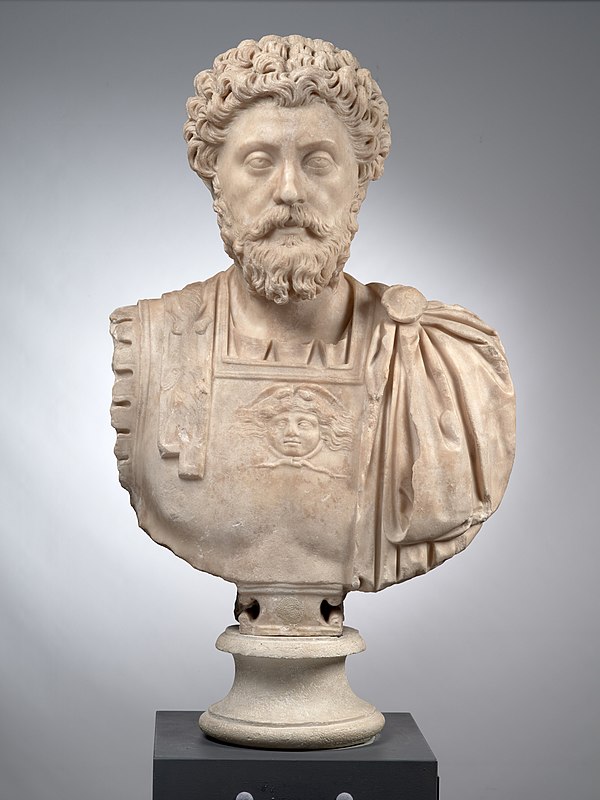
The Fleeting Nature of Existence
In the words of Marcus Aurelius, "How quickly all things disappear, in the universe the bodies themselves, but in time the remembrance of them." This poignant reflection invites us to confront the transitory nature of life, urging us to recognize that not only do physical forms fade, but so too does the memory of them. In a world that often prioritizes permanence and accumulation, Aurelius's insight serves as a gentle reminder of the inevitability of change and the importance of humility in our pursuits.
As we navigate our lives, the weight of our attachments can obscure the truth of impermanence. Aurelius's meditation encourages us to embrace the fleeting moments, to find beauty in the ephemeral, and to cultivate a sense of gratitude for what we experience, however transient it may be. This understanding can lead us to a deeper appreciation of our existence and the connections we forge, allowing us to live more fully in the present rather than clinging to the past or anxiously anticipating the future.
The image / the metaphor
The imagery in Aurelius's quote evokes a cosmic perspective, where the vastness of the universe serves as a backdrop to the fleeting nature of existence. The phrase "all things disappear" conjures a sense of dissolution, as if the very fabric of reality is woven from threads that are destined to unravel. The choice of verbs like "disappear" and "remembrance" highlights a duality: while physical forms may vanish, the echoes of their existence linger in our consciousness, albeit briefly.
Diving deeper into the metaphor, we can see that Aurelius is not merely lamenting the loss of physical bodies but is also pointing to the ephemeral nature of our experiences and emotions. Just as the stars in the night sky may shine brightly for a moment before fading into darkness, so too do our joys, sorrows, and relationships exist within a continuum of time. This understanding invites us to cherish the present, recognizing that each moment is a unique expression of life that will never be repeated.
In the speaker's tradition
Marcus Aurelius's reflections are steeped in the Stoic tradition, which emphasizes the importance of accepting the impermanence of life as a pathway to wisdom and tranquility. This perspective resonates with concepts found in other spiritual traditions, such as the Buddhist notion of sunyata, or emptiness, which teaches that all phenomena are transient and devoid of inherent existence. Similarly, the Sufi concept of fana, or annihilation of the self, echoes Aurelius's call to relinquish attachment to the material and embrace the ephemeral nature of existence.
In his work "Meditations," Aurelius often returns to the theme of mortality and the fleeting nature of life. For instance, he writes about the inevitability of death and the importance of living in accordance with nature. This aligns with the Stoic practice of negative visualization, where one contemplates the loss of what they hold dear, fostering a deeper appreciation for the present moment and the relationships that enrich our lives.
Living the teaching
Consider a modern scenario where this teaching resonates: a person grappling with the loss of a loved one. In the wake of grief, the realization that all things are transient can be both painful and liberating. By acknowledging the impermanence of life, one may find solace in the memories shared, understanding that while the physical presence has vanished, the essence of that relationship continues to shape their existence. This perspective can transform sorrow into a celebration of the love that once was, allowing for healing and growth.
Another application of Aurelius's teaching can be found in the realm of daily practice, particularly in the context of mindfulness. As we engage in our routines, the reminder of impermanence can encourage us to approach each moment with intention and presence. Whether it is savoring a meal, enjoying a conversation, or simply taking a walk, recognizing the fleeting nature of these experiences can deepen our appreciation and foster a sense of gratitude for the richness of life, even in its transitory form.
A reflection
As we contemplate Marcus Aurelius's profound insight, we are invited to reflect on our own relationship with impermanence. How does the awareness of life's fleeting nature shape the way we engage with our experiences and relationships? In what ways can we cultivate a deeper appreciation for the present moment, allowing the wisdom of impermanence to guide us toward a more meaningful existence?


Join the BrightStar Community
Stay connected with daily inspiration, event announcements, and community wisdom