The Dance of Change: Embracing Loss as Transformation
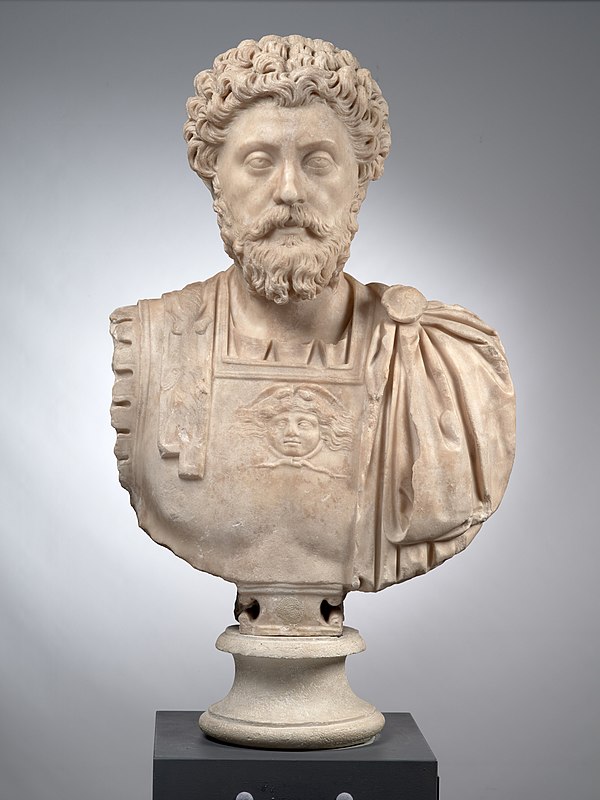
In the profound words of Marcus Aurelius, "Loss is nothing else but change, and change is Nature's delight." This statement invites us to reconsider our relationship with loss, urging us to see it not as a painful end but as a natural transition. The stakes of this perspective are high; by embracing change, we can cultivate resilience and find peace amidst the inevitable fluctuations of life. Understanding this quote can lead us to a deeper acceptance of our experiences, allowing us to navigate the complexities of existence with grace.
As we delve deeper into Aurelius's insight, we recognize that loss is an intrinsic part of the human experience. It is woven into the fabric of our lives, manifesting in various forms—be it the end of a relationship, the passing of a loved one, or the shifting of our own aspirations. By framing loss as a change, Aurelius encourages us to shift our focus from grief to growth. This reframing not only alleviates the burden of sorrow but also aligns us with the natural rhythms of life, where change is not merely tolerated but celebrated as a vital force of creation and renewal.
The image / the metaphor
At first glance, Aurelius's quote presents a striking juxtaposition between loss and change. The imagery of loss evokes feelings of emptiness and absence, while change is often associated with movement and transformation. The choice of the word "delight" suggests a joyous acceptance of this transformation, as if Nature herself revels in the cycles of birth, decay, and rebirth. This duality invites us to explore the emotional landscape of our experiences, recognizing that within the sorrow of loss lies the potential for new beginnings.
Diving deeper into the metaphor, we can see that change is not merely an external phenomenon but an internal one as well. Just as the seasons shift and the tides ebb and flow, our inner landscapes are in constant flux. The verbs "is" and "delight" imply a state of being that transcends mere acceptance; they invite us to actively engage with change as a dynamic process. In this light, loss becomes a catalyst for transformation, urging us to adapt, evolve, and ultimately flourish in the face of adversity.
In the speaker's tradition
Marcus Aurelius stands as a pillar of Stoic philosophy, a tradition that emphasizes the importance of virtue, reason, and acceptance of the natural order. Central to Stoicism is the concept of "amor fati," or love of fate, which encourages individuals to embrace their circumstances, however challenging they may be. This aligns closely with Aurelius's assertion that loss is simply a form of change, inviting us to accept the unfolding of our lives with equanimity. In this way, loss becomes a teacher, guiding us toward a deeper understanding of our place within the cosmos.
Moreover, Aurelius's reflections resonate with the Buddhist notion of "anicca," or impermanence, which teaches that all things are transient and subject to change. Just as the Stoics advocate for a rational acceptance of fate, Buddhism encourages mindfulness of the ever-changing nature of existence. In both traditions, the recognition of change as a fundamental aspect of life serves as a pathway to liberation from suffering. Aurelius's Meditations, particularly in Book 9, offers a poignant reminder that embracing change is essential for cultivating inner peace and resilience.
Living the teaching
Consider a modern scenario where this teaching can be applied: the experience of losing a job. Initially, this loss may feel devastating, triggering feelings of insecurity and fear. However, if we embrace Aurelius's perspective, we can view this change as an opportunity for growth. Perhaps it opens the door to new career paths, ignites a passion for entrepreneurship, or allows for a much-needed pause to reflect on personal values and aspirations. By reframing the narrative around loss, we can transform our experience from one of despair to one of potential.
In the realm of relationships, the teaching of accepting change can also be profoundly transformative. Imagine the end of a significant relationship, which often brings heartache and confusion. Yet, if we approach this loss through the lens of change, we might recognize it as a necessary evolution in our lives. This perspective allows us to honor the love shared while also acknowledging that both individuals are on their own journeys of growth. By accepting the change, we create space for healing and the possibility of new connections, ultimately enriching our lives.
A reflection
As we contemplate Marcus Aurelius's wisdom, we are invited to reflect on our own experiences of loss and change. What losses have you encountered that, upon reflection, have led to significant transformations in your life? In what ways can you embrace the changes that arise, viewing them not as endings but as opportunities for renewal? Allow this contemplation to guide you toward a deeper understanding of your relationship with change, fostering acceptance and resilience in the face of life's inevitable transitions.


Join the BrightStar Community
Stay connected with daily inspiration, event announcements, and community wisdom