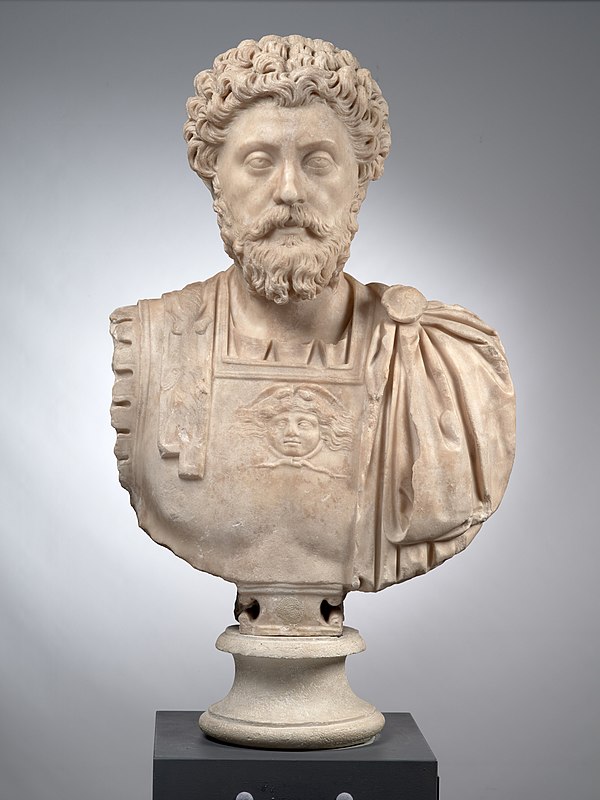
Embracing Fate and Cultivating Love
Marcus Aurelius invites us to embrace the circumstances of our lives and to cherish the connections we form along the way. In his quote, "Accept the things to which fate binds you, and love the people with whom fate brings you together," he distills the essence of Stoic philosophy into a poignant reminder of acceptance and love. This wisdom resonates deeply in a world often marked by uncertainty and disconnection, urging us to find peace in our circumstances and to nurture the relationships that fate has woven into our lives.
In a time when we are frequently confronted with challenges beyond our control, Aurelius's words serve as a guiding light. Acceptance does not imply passivity; rather, it is an active engagement with reality, a recognition of the limits of our influence. Coupled with the call to love those who enter our lives, this quote encapsulates a profound understanding of human existence: that our journey is shaped by forces we cannot always see, yet it is enriched by the bonds we forge with others. This duality of acceptance and love is not merely a philosophical stance; it is a practical approach to living fully in the present moment.
The image / the metaphor
At first glance, the imagery in Aurelius's quote evokes a sense of surrender to the currents of life. The phrase "accept the things to which fate binds you" conjures the image of a traveler navigating a winding river, where the waters dictate the course, yet the traveler can choose how to respond to the journey. The verbs "accept" and "love" are not passive; they require an active engagement with our circumstances and relationships. This dual action of acceptance and love creates a dynamic interplay, suggesting that while we may not control our fate, we can control our responses to it.
Diving deeper into the metaphor, we can see that fate is not merely an external force but a tapestry woven with the threads of our experiences and interactions. To "love the people with whom fate brings you together" implies a recognition of the interconnectedness of all beings. Each relationship is a unique thread in the fabric of our lives, and by embracing these connections, we enrich our existence. The metaphor invites us to view our lives as a collaborative journey, where acceptance of our circumstances and love for others become the guiding principles that illuminate our path.
In the speaker's tradition
Marcus Aurelius's teachings are deeply rooted in Stoicism, a philosophy that emphasizes rationality, self-control, and the acceptance of fate. Central to Stoic thought is the concept of dharma, which refers to the natural order of the universe and our role within it. Just as the Stoics believed in aligning oneself with nature, Aurelius encourages us to accept the circumstances that fate presents, recognizing that they are part of a larger cosmic order. This acceptance is not resignation but rather an acknowledgment of our place in the grand tapestry of existence.
In his work, Aurelius often reflects on the transient nature of life and the importance of focusing on what is within our control. This echoes the teachings found in other Stoic texts, such as Epictetus's Enchiridion, where he emphasizes the distinction between what we can change and what we must accept. Aurelius's call to love those who come into our lives aligns with the Stoic practice of kenosis, or self-emptying, which encourages us to let go of ego and embrace the interconnectedness of humanity. In this light, love becomes a conscious choice, a practice that enriches both ourselves and those around us.
Living the teaching
Consider a modern scenario where this teaching resonates: a person facing a job loss. The initial reaction may be one of despair, feeling bound by the circumstances of fate. However, by embracing the situation and accepting what has occurred, they can begin to explore new opportunities that may arise from this unexpected turn. In this acceptance, they might also find support from friends and family, reinforcing the importance of loving those who stand by them during difficult times. This situation exemplifies how acceptance can lead to growth and connection, transforming a challenging moment into a catalyst for new beginnings.
Another application of Aurelius's wisdom can be found in the realm of personal relationships. Imagine a conflict with a close friend, where misunderstandings have created distance. By accepting the reality of the situation and the emotions involved, one can approach the relationship with a renewed sense of love and compassion. This acceptance allows for open communication and healing, fostering a deeper bond. In daily practice, this teaching encourages us to cultivate mindfulness, recognizing the transient nature of our interactions and the importance of nurturing the connections that enrich our lives.
A reflection
As we contemplate Marcus Aurelius's profound words, we are invited to reflect on our own lives: What circumstances have I struggled to accept, and how might embracing them open new pathways for growth? In the spirit of Stoic wisdom, let us consider the relationships we hold dear. Are there connections that require more love and attention? By engaging with these questions, we can deepen our understanding of acceptance and love, allowing them to guide us on our journey through life.



Join the BrightStar Community
Stay connected with daily inspiration, event announcements, and community wisdom