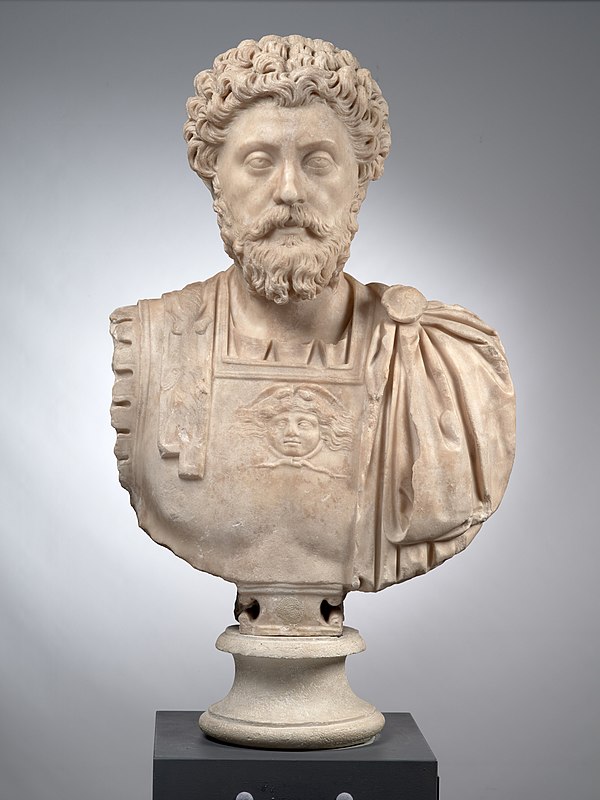
Embracing the Cosmos: A Stoic Invitation to Wonder
“Dwell on the beauty of life. Watch the stars, and see yourself running with them.” In this poignant exhortation, Marcus Aurelius invites us to immerse ourselves in the splendor of existence, urging us to find joy and connection in the vastness of the universe. This call to presence is not merely a poetic flourish; it is a profound reminder of our place within the cosmos and the beauty that surrounds us, even amidst the trials of life. In a world often clouded by distraction and despair, Aurelius beckons us to pause, reflect, and engage with the wonder that life offers.
As we delve deeper into this quote, we uncover layers of meaning that resonate with the Stoic philosophy Aurelius espoused. The act of dwelling on beauty is an intentional choice, a practice of mindfulness that encourages us to shift our focus from the mundane to the magnificent. The imagery of stars, distant yet brilliant, serves as a metaphor for the aspirations and dreams that illuminate our paths. By envisioning ourselves running alongside these celestial bodies, we are invited to embrace a sense of unity with the universe, recognizing that we are part of something far greater than ourselves.
The image / the metaphor
At first glance, the imagery in Aurelius's quote evokes a serene and picturesque scene: the beauty of life, the twinkling stars, and the exhilarating notion of running alongside them. The verbs chosen—“dwell,” “watch,” and “see”—suggest an active engagement with our surroundings. To dwell on beauty is to cultivate an appreciation for the present moment, to allow ourselves to be fully immersed in the sights and sensations that life offers. The act of watching the stars becomes a meditative practice, inviting us to pause and reflect on the vastness of existence.
Diving deeper into the metaphor, we recognize that the stars symbolize not only the beauty of the natural world but also the aspirations and dreams that guide us. Running with the stars suggests a dynamic relationship with our desires and ambitions; it is an invitation to align ourselves with the greater rhythms of life. This imagery encourages us to transcend our limitations, to embrace the potential within us, and to recognize that we are not isolated beings but interconnected participants in the grand tapestry of the universe.
In the speaker's tradition
Marcus Aurelius's reflections are deeply rooted in Stoic philosophy, which emphasizes the importance of virtue, reason, and the acceptance of the natural order. Central to Stoicism is the concept of eudaimonia, or flourishing, which is achieved through living in accordance with nature and cultivating a sense of inner peace. The invitation to dwell on beauty aligns with the Stoic practice of prosoche, or mindfulness, which encourages individuals to remain present and aware of their thoughts and surroundings. This awareness fosters a sense of gratitude and appreciation for the beauty inherent in life.
In the context of Aurelius's teachings, we can draw parallels to the Buddhist concept of sunyata, or emptiness, which invites us to see beyond the illusions of the self and recognize the interconnectedness of all things. Just as Aurelius encourages us to find beauty in the cosmos, Buddhist philosophy invites us to embrace the transient nature of existence and to cultivate a sense of wonder in the present moment. Both traditions remind us that our perceptions shape our experiences, and by focusing on beauty, we can transform our understanding of life.
Living the teaching
Consider a modern scenario in which the pressures of daily life threaten to overshadow the beauty that surrounds us. Imagine a busy commuter, rushing through the city, consumed by thoughts of deadlines and responsibilities. In this moment, the invitation to dwell on beauty becomes a powerful tool for transformation. By taking a moment to pause, to look up at the sky or to notice the intricate details of the world around them, the commuter can shift their perspective. This simple act of mindfulness can foster a sense of connection and appreciation, reminding them that life is not solely about tasks and obligations but also about the beauty that exists in each moment.
In the realm of relationships, Aurelius's teaching can serve as a gentle reminder to cultivate presence and appreciation for those we love. During a difficult conversation, when emotions run high and misunderstandings arise, we can choose to dwell on the beauty of our shared experiences. By focusing on the love and connection that brought us together, we can navigate challenges with grace and compassion. This practice of recognizing beauty in our relationships not only deepens our connections but also fosters resilience in the face of adversity.
A reflection
As we contemplate Marcus Aurelius's invitation to dwell on the beauty of life, we are left with a profound question to ponder: How can we cultivate a deeper awareness of beauty in our daily lives? This inquiry invites us to explore the ways in which we can shift our focus from the mundane to the magnificent, to seek out moments of wonder amidst the chaos. By embracing this practice, we open ourselves to the richness of existence and the interconnectedness of all things, allowing the beauty of life to illuminate our paths.



Join the BrightStar Community
Stay connected with daily inspiration, event announcements, and community wisdom