Embracing the Journey: The Wisdom of Obstacles
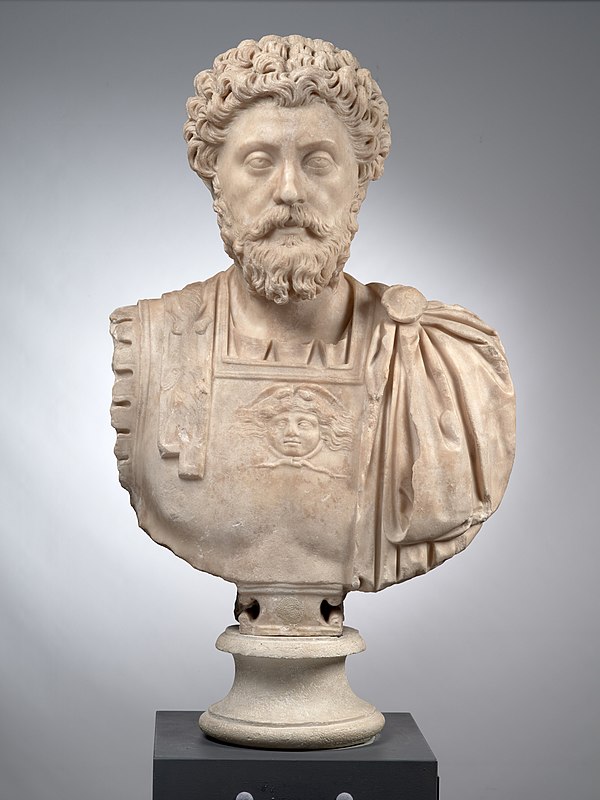
Marcus Aurelius, the Stoic philosopher and Roman Emperor, encapsulates a profound truth in his assertion, "The obstacle is the way." This statement invites us to reconsider our relationship with challenges, suggesting that the very barriers we encounter are not merely hindrances but essential components of our path toward growth and understanding. In a world that often seeks to avoid discomfort, Aurelius's wisdom serves as a reminder that embracing obstacles can lead us to deeper strength and purpose.
In a society that prizes ease and convenience, Aurelius's perspective challenges us to shift our mindset. Rather than viewing obstacles as setbacks, we are encouraged to see them as opportunities for development. This reframing is not merely a philosophical exercise; it is a call to action that invites us to engage with our struggles, recognizing that they can illuminate our path and refine our character. The journey of life, with its inevitable trials, becomes a canvas upon which we can paint our resilience and wisdom.
The image / the metaphor
At its core, the phrase "The obstacle is the way" employs a striking metaphor that evokes the image of a winding path. Here, the "obstacle" represents the challenges and difficulties we face, while "the way" signifies our journey through life. The verbs chosen—"is"—imply a deep connection between the two concepts, suggesting that obstacles are not separate from our journey but integral to it. This imagery invites us to visualize our struggles as stepping stones rather than stumbling blocks, urging us to navigate through them with intention and courage.
In the speaker's tradition
Marcus Aurelius's insights are firmly rooted in the Stoic tradition, which emphasizes the importance of virtue, resilience, and the acceptance of fate. Central to Stoicism is the concept of "amor fati," or love of fate, which encourages individuals to embrace their circumstances, including obstacles, as necessary components of their existence. This aligns with the idea of "dharma" in Eastern philosophies, where one's duty and path are seen as intertwined with the challenges faced along the way. Both traditions advocate for a profound acceptance of life's inherent difficulties as a means to cultivate inner strength and wisdom.
In his work "Meditations," Aurelius reflects on the nature of adversity, suggesting that it is through our responses to challenges that we define our character. This echoes the teachings found in other Stoic texts, such as Epictetus's "Enchiridion," where the focus is placed on distinguishing between what is within our control and what is not. The Stoic practice of focusing on our reactions to obstacles rather than the obstacles themselves fosters a sense of agency and empowerment, allowing us to navigate life's complexities with grace.
Living the teaching
Consider a modern scenario where this teaching resonates: a professional facing a significant setback, such as a job loss or a failed project. Initially, the individual may feel overwhelmed, viewing the situation as a roadblock to their career aspirations. However, by embracing the notion that "the obstacle is the way," they can begin to see this challenge as an opportunity for reflection and growth. This moment of adversity may lead them to reassess their goals, acquire new skills, or even pursue a different path that aligns more closely with their true passions.
In the realm of relationships, this teaching can also manifest powerfully. Imagine a couple navigating a period of conflict or misunderstanding. Instead of viewing their differences as insurmountable obstacles, they can approach these challenges as opportunities for deeper connection and understanding. By engaging in open dialogue and actively listening to each other's perspectives, they may find that the very conflicts that seemed daunting become catalysts for growth and intimacy, ultimately strengthening their bond.
A reflection
As we contemplate Marcus Aurelius's assertion that "the obstacle is the way," we are invited to reflect on our own lives and the challenges we face. What obstacles have you encountered recently, and how might they serve as opportunities for growth? In embracing this perspective, we can cultivate a deeper understanding of ourselves and our journeys, transforming our relationship with adversity into one of gratitude and resilience.



Join the BrightStar Community
Stay connected with daily inspiration, event announcements, and community wisdom