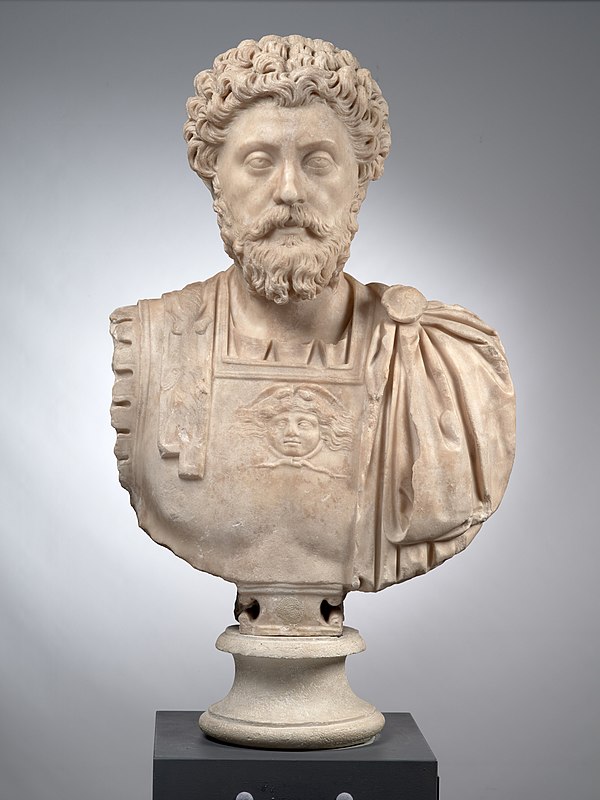
Becoming the Good: The Call to Action in Stoicism
Marcus Aurelius, the Stoic philosopher and Roman Emperor, succinctly captures a profound truth in his exhortation: "Waste no more time arguing about what a good man should be. Be one." This statement compels us to shift our focus from theoretical discussions about virtue to the practical embodiment of goodness in our daily lives. In a world rife with debate and moral ambiguity, Aurelius invites us to transcend mere words and engage in the transformative act of being virtuous ourselves. The stakes are high; our character is not defined by our intentions or our discussions, but by our actions.
This call to action resonates deeply in a contemporary context where the discourse surrounding morality often overshadows genuine practice. We find ourselves entangled in endless conversations about what constitutes a "good" person, while the essence of virtue lies in the choices we make and the lives we lead. Aurelius’s wisdom urges us to recognize that the path to becoming a good person is not paved with theoretical knowledge but through the consistent practice of virtue. It is a reminder that our character is forged in the crucible of action, not in the realm of idle speculation.
The image / the metaphor
At first glance, Aurelius's quote presents a straightforward directive: stop debating and start doing. The imagery of "arguing" evokes a sense of conflict and stagnation, suggesting that excessive discourse can lead to paralysis. The verb "be" is particularly striking; it implies a state of existence rather than a mere action. This choice of words emphasizes the importance of embodying virtue as an integral part of our identity, rather than viewing it as an external goal to be achieved.
In the speaker's tradition
Marcus Aurelius's insights are deeply rooted in the Stoic tradition, which posits that virtue is the only true good and that living in accordance with nature is essential for a fulfilling life. This aligns with the concept of dharma in Eastern philosophies, where one's duty and righteousness guide actions. The Stoics believed that understanding the nature of virtue and embodying it in our lives leads to a state of eudaimonia, or flourishing. Aurelius’s call to action reflects the Stoic commitment to practical wisdom, urging individuals to live out their values rather than merely theorizing about them.
In his seminal work, "Meditations," Aurelius often reflects on the importance of self-examination and the cultivation of virtue. He writes about the necessity of aligning one's actions with one's principles, emphasizing that true wisdom lies in the application of knowledge. This mirrors the teachings found in other philosophical traditions, such as the Buddhist concept of prajna, which emphasizes wisdom as a means to navigate the complexities of life. Both traditions highlight the importance of living authentically and acting in accordance with one's values.
Living the teaching
Consider a modern scenario where this teaching can be applied: a workplace filled with gossip and negativity. Employees may spend hours discussing the shortcomings of their colleagues or the failures of management, engaging in a cycle of blame and frustration. Aurelius's wisdom challenges individuals to step away from this toxic discourse and instead embody the qualities they wish to see in their environment. By choosing to act with integrity, support their peers, and foster a positive atmosphere, they can transform not only their own experience but also influence the culture around them.
In a different context, think about personal relationships where misunderstandings often lead to conflict. Instead of arguing about what it means to be a good partner or friend, Aurelius invites us to embody those qualities directly. This might mean actively listening, showing empathy, or making sacrifices for the sake of the relationship. By focusing on being a good person rather than merely discussing the concept, we can create deeper connections and foster a sense of trust and respect. The essence of Aurelius's teaching is that our actions, grounded in virtue, have the power to reshape our interactions and the world around us.
A reflection
As we contemplate Marcus Aurelius's profound directive, we are left with a poignant question: In what areas of my life am I still debating the nature of goodness rather than embodying it? This inquiry invites us to reflect on our daily choices and the ways we can align our actions with our values. It challenges us to move beyond theoretical discussions and engage in the transformative practice of being the good we wish to see in ourselves and in the world. By embracing this call to action, we can begin to cultivate a life of authenticity and purpose.



Join the BrightStar Community
Stay connected with daily inspiration, event announcements, and community wisdom