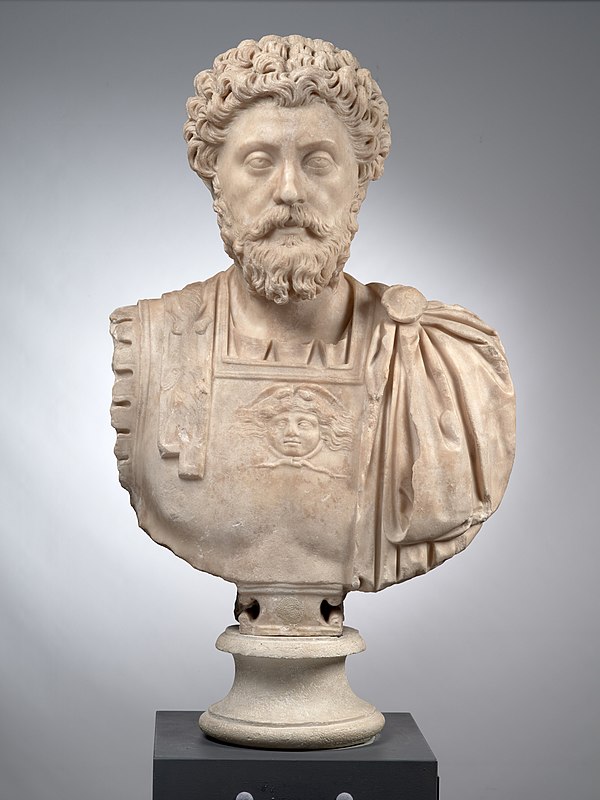
The Gift of Awakening: Embracing Life's Privilege
Marcus Aurelius invites us to reflect on the profound privilege of existence with his poignant reminder that each morning we awaken to the gift of life. He urges us to consider the simple yet extraordinary acts of breathing, thinking, enjoying, and loving as treasures that often go unnoticed in the rush of daily life. This perspective is not merely a call to gratitude; it is an invitation to engage deeply with the present moment, to recognize the beauty inherent in our very being. In a world that often emphasizes productivity over presence, Aurelius's words remind us of the essential value of simply being alive.
In a society that frequently equates worth with achievement, Aurelius's quote serves as a gentle yet powerful counter-narrative. To think of life as a privilege is to cultivate a mindset rooted in appreciation rather than entitlement. This shift in perspective can transform our daily experiences, allowing us to find joy in the mundane and to foster deeper connections with ourselves and others. By embracing this awareness, we not only enrich our own lives but also contribute to a more compassionate world, where gratitude becomes a shared language of existence.
The image / the metaphor
The imagery in Aurelius's quote is striking in its simplicity yet profound in its implications. The act of arising in the morning symbolizes a fresh start, a new opportunity to engage with life. The verbs he employs—"to breathe, to think, to enjoy, to love"—are not just actions; they are invitations to immerse ourselves fully in the experience of being alive. Each word resonates with the essence of human experience, suggesting that these fundamental aspects of life are gifts that deserve our attention and reverence.
Diving deeper into the metaphor, we can see that Aurelius is not merely listing activities; he is illuminating the interconnectedness of existence. Breathing signifies the life force that sustains us, thinking represents our capacity for reflection and growth, enjoying encapsulates the joy found in simple pleasures, and loving embodies the connections that enrich our lives. Together, these elements form a holistic view of life that encourages us to appreciate the richness of our experiences, urging us to cultivate a sense of wonder and gratitude in every moment.
In the speaker's tradition
Marcus Aurelius stands as a central figure in Stoicism, a philosophical tradition that emphasizes the importance of virtue, reason, and self-control. Within this framework, the concept of gratitude is closely aligned with the Stoic practice of recognizing what is within our control and what is not. This resonates with the idea of dharma in Eastern philosophies, where one’s duty and purpose are seen as integral to the experience of life. Both traditions encourage a mindful engagement with existence, urging individuals to find meaning in their actions and to cultivate a sense of appreciation for the present moment.
In his seminal work, "Meditations," Aurelius reflects on the transient nature of life and the importance of living in accordance with nature. He writes, "You could leave life right now. Let that determine what you do and say and think." This sentiment echoes the essence of his quote, reinforcing the notion that awareness of our mortality can deepen our appreciation for life itself. By embracing this Stoic principle, we can learn to navigate the complexities of existence with grace and gratitude, fostering a sense of peace amidst the inevitable challenges we face.
Living the teaching
Consider a modern scenario where this teaching can be applied: waking up to a busy day filled with responsibilities and distractions. In such moments, it is easy to overlook the simple act of being alive, allowing stress to overshadow the beauty of existence. By consciously taking a moment each morning to reflect on the privilege of life, one can shift their mindset from one of obligation to one of appreciation. This practice can transform the mundane into the extraordinary, allowing us to approach our tasks with renewed energy and a sense of purpose.
In the context of relationships, Aurelius's teaching can serve as a powerful reminder to cherish our connections with others. Imagine a difficult moment with a loved one, where misunderstandings and frustrations arise. By recalling the preciousness of life and the opportunity to love, we can approach the situation with empathy and compassion. This perspective encourages us to prioritize understanding and connection over conflict, fostering deeper bonds that enrich our lives and the lives of those around us.
A reflection
As we contemplate Marcus Aurelius's profound reminder of the privilege of being alive, we are invited to engage with a contemplative question: How can I cultivate a deeper sense of gratitude for the simple acts of living each day? This inquiry encourages us to explore our relationship with existence, prompting us to recognize the beauty in the ordinary and to embrace the richness of our experiences. In doing so, we may find that our lives become more vibrant, meaningful, and interconnected, allowing us to fully appreciate the gift of life itself.



Join the BrightStar Community
Stay connected with daily inspiration, event announcements, and community wisdom