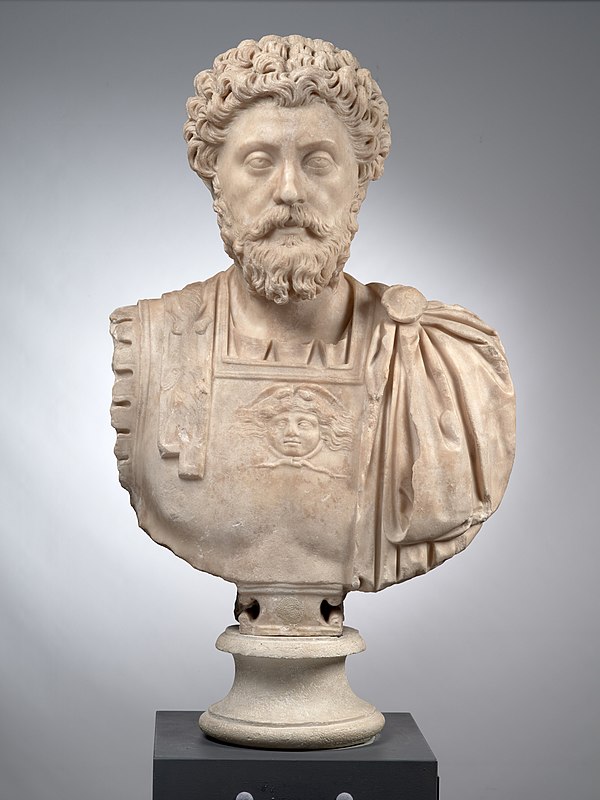
The Liberation of the Mind: Embracing Injury's Illusion
In the profound words of Marcus Aurelius, "Reject your sense of injury and the injury itself disappears." This statement encapsulates a powerful Stoic principle: that our perceptions shape our reality. By relinquishing the emotional weight we assign to perceived wrongs, we can liberate ourselves from the shackles of suffering. This teaching invites us to reconsider how we respond to life's inevitable challenges, emphasizing that our mental landscape is often more influential than the external circumstances we face.
To deepen our understanding, we must recognize that the sense of injury is not merely a reaction to external events but a construct of our minds. Aurelius suggests that by consciously choosing to reject the narrative of injury, we can transform our experience. This perspective is not about denying pain or injustice; rather, it is an invitation to cultivate resilience and inner peace. In a world rife with conflict and misunderstanding, this teaching holds immense relevance, offering a pathway to emotional freedom and personal empowerment.
The image / the metaphor
At the heart of Aurelius's quote lies a vivid imagery of rejection and disappearance. The act of rejecting one's sense of injury evokes a dynamic interplay between the mind and the external world. The verbs "reject" and "disappear" suggest an active engagement with our thoughts and feelings, highlighting that our mental processes can alter our lived experience. When we choose to dismiss the narrative of injury, we initiate a transformative process that can lead to profound emotional healing.
Diving deeper into the metaphor, we can see that the "injury" represents not just physical harm but also emotional wounds and grievances we carry. By envisioning injury as a phantom that dissipates upon our refusal to acknowledge it, Aurelius encourages us to confront the illusions we create around our suffering. This metaphor serves as a reminder that much of our distress is self-imposed, and by shifting our focus, we can reclaim our power and agency in any situation.
In the speaker's tradition
Marcus Aurelius's teachings are deeply rooted in Stoicism, a philosophy that emphasizes the importance of rational thought and emotional resilience. Central to Stoic thought is the concept of *apatheia*, or the state of being unperturbed by external events. This aligns with Aurelius's assertion that our sense of injury is a mental construct, suggesting that true freedom lies in our ability to detach from our emotional responses. In this way, Aurelius echoes the Buddhist concept of *sunyata*, or emptiness, which teaches that our perceptions can cloud our understanding of reality.
In his *Meditations*, Aurelius often reflects on the nature of the mind and its capacity to shape our experiences. For instance, he writes about the importance of focusing on what is within our control and accepting what is not. This resonates with the Stoic practice of *premeditatio malorum*, or the premeditation of evils, where one prepares mentally for potential challenges, thereby reducing their emotional impact. By situating Aurelius's quote within this broader philosophical framework, we can appreciate its depth and relevance in navigating the complexities of human existence.
Living the teaching
Consider a modern scenario where this teaching can be applied: imagine receiving critical feedback at work. Initially, the instinctive reaction may be one of defensiveness or hurt, leading to a sense of injury. However, by consciously rejecting this sense of injury, one can approach the feedback with curiosity and openness, transforming a potentially painful experience into an opportunity for growth. This shift in perspective not only alleviates emotional distress but also fosters a more constructive response to criticism.
In the realm of relationships, Aurelius's teaching can be particularly transformative. Picture a situation where a loved one has inadvertently hurt your feelings. Instead of clinging to the sense of injury, one might choose to communicate openly about the feelings that arose, thereby fostering understanding and connection. By rejecting the narrative of injury, we create space for forgiveness and healing, allowing relationships to flourish rather than falter under the weight of unspoken grievances. This practice of emotional resilience can be cultivated daily, reminding us that our responses shape our relationships and overall well-being.
A reflection
As we contemplate Marcus Aurelius's profound insight, we are invited to reflect on our own lives: What injuries do we carry that may be self-imposed? In what ways can we choose to reject the narratives that bind us to suffering? This contemplation encourages us to explore the power of our minds in shaping our experiences, urging us to seek liberation from the burdens we often carry. By embracing this teaching, we can embark on a journey toward greater emotional freedom and resilience.


Join the BrightStar Community
Stay connected with daily inspiration, event announcements, and community wisdom