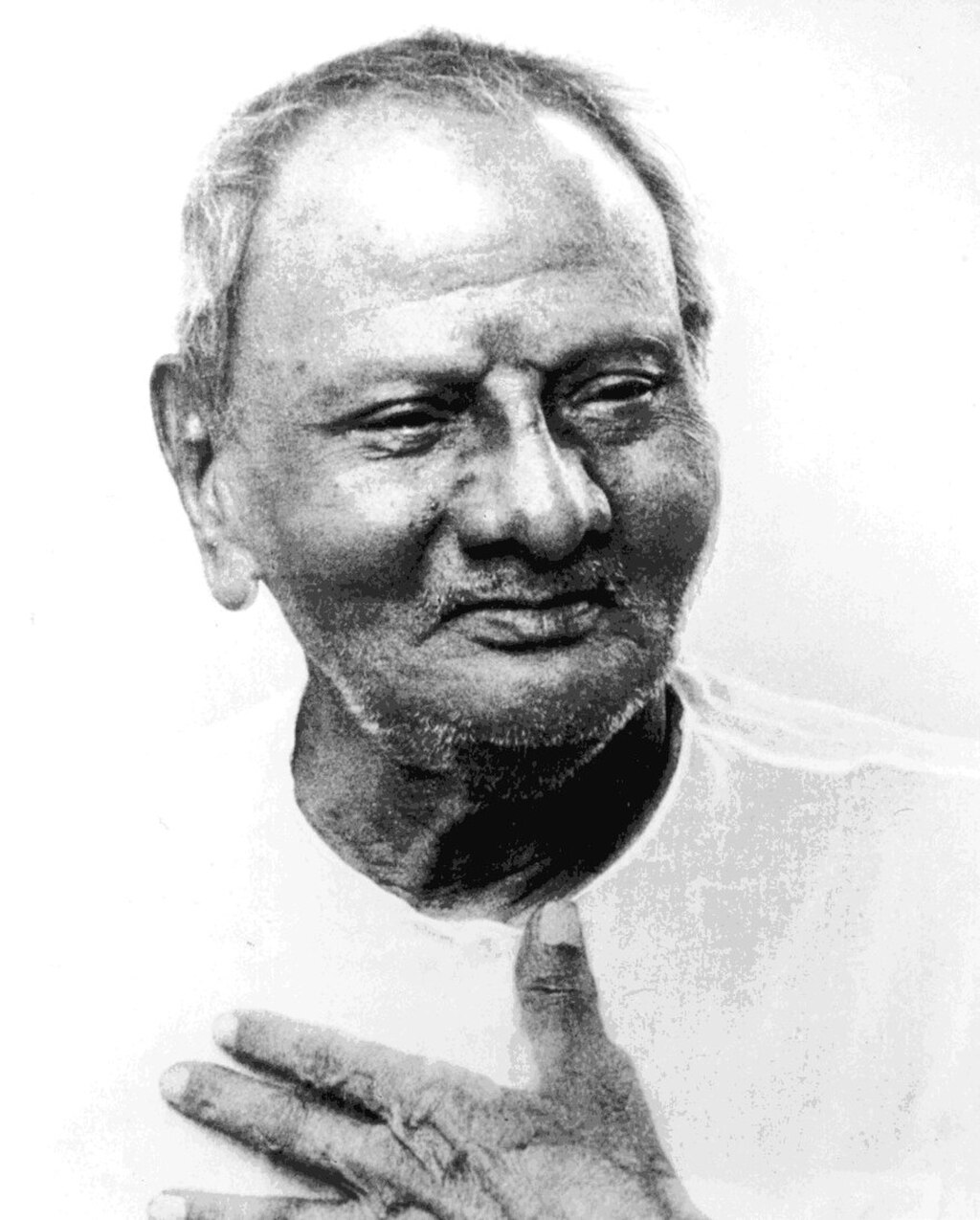
The Dance of Mind and Stillness
Nisargadatta Maharaj's profound assertion, "Mind is movement; awareness is stillness," invites us to explore the intricate relationship between our thoughts and the deeper essence of our being. In this statement, Maharaj delineates the dynamic nature of the mind, which is perpetually in flux, contrasting it with the serene quality of awareness that remains untouched by the chaos of thought. Understanding this distinction is crucial for anyone seeking a deeper sense of peace and clarity in their lives, as it reveals the path to transcending the incessant chatter of the mind.
This quote serves as a reminder that while our minds may race with thoughts, worries, and distractions, there exists within us a stillness that is always accessible. This stillness is not merely the absence of thought but a profound state of awareness that allows us to observe our mental activity without becoming entangled in it. By recognizing this duality, we can cultivate a more profound sense of presence and connection to our true selves, ultimately leading to a more fulfilling and harmonious existence.
The image / the metaphor
The imagery in Maharaj's quote evokes a vivid contrast between movement and stillness. The term "mind" suggests a constant flow, akin to a river that rushes forward, filled with the debris of thoughts, emotions, and experiences. In contrast, "awareness" embodies a tranquil lake, reflecting the sky above, undisturbed by the currents of the world. This metaphor encapsulates the essence of our inner experience: while the mind may be turbulent, awareness remains a calm observer, providing a space for clarity and insight.
In the speaker's tradition
Nisargadatta Maharaj's teachings are rooted in the non-dual tradition, which emphasizes the unity of existence and the illusion of separation. Concepts such as *sunyata* (emptiness) and *fana* (annihilation of the self) resonate deeply with the idea that the mind's incessant movement can obscure our true nature. In this context, awareness serves as a bridge to understanding our interconnectedness, allowing us to transcend the limitations imposed by the ego and the fluctuating nature of thought.
In his seminal work, *I Am That*, Maharaj often refers to the importance of recognizing the distinction between the transient nature of the mind and the eternal quality of awareness. This echoes the teachings found in other non-dual texts, such as the *Upanishads*, where the concept of *Brahman* (the ultimate reality) is described as the unchanging essence behind the ever-changing phenomena of the world. By aligning ourselves with this deeper awareness, we can cultivate a sense of peace that transcends the tumult of our thoughts.
Living the teaching
Consider a modern scenario where this teaching can be applied: a busy professional navigating the demands of work and personal life. In the midst of deadlines and responsibilities, the mind may race with thoughts of what needs to be accomplished, leading to stress and anxiety. By practicing the awareness of stillness, one can pause amidst the chaos, taking a moment to breathe deeply and reconnect with the present moment. This simple act of grounding oneself in awareness can transform the experience, allowing for greater clarity and focus in decision-making.
Another application of this teaching can be found in interpersonal relationships. During a heated discussion, emotions may flare, and the mind can become clouded with reactive thoughts. By cultivating awareness, one can step back from the emotional turbulence and observe the situation with a sense of stillness. This shift not only fosters better communication but also nurtures empathy and understanding, allowing for a more harmonious interaction. In both scenarios, the practice of moving from the mind to awareness can lead to profound shifts in how we engage with ourselves and others.
A reflection
As we contemplate the essence of Maharaj's quote, we are invited to explore the nature of our own awareness. How often do we find ourselves lost in the movement of our thoughts, forgetting the stillness that lies within? In moments of chaos or uncertainty, we can ask ourselves: "What would it feel like to rest in awareness, to observe my thoughts without becoming entangled in them?" This question serves as a guiding light, encouraging us to cultivate a deeper relationship with our inner stillness and to recognize the profound peace that is always available to us.


