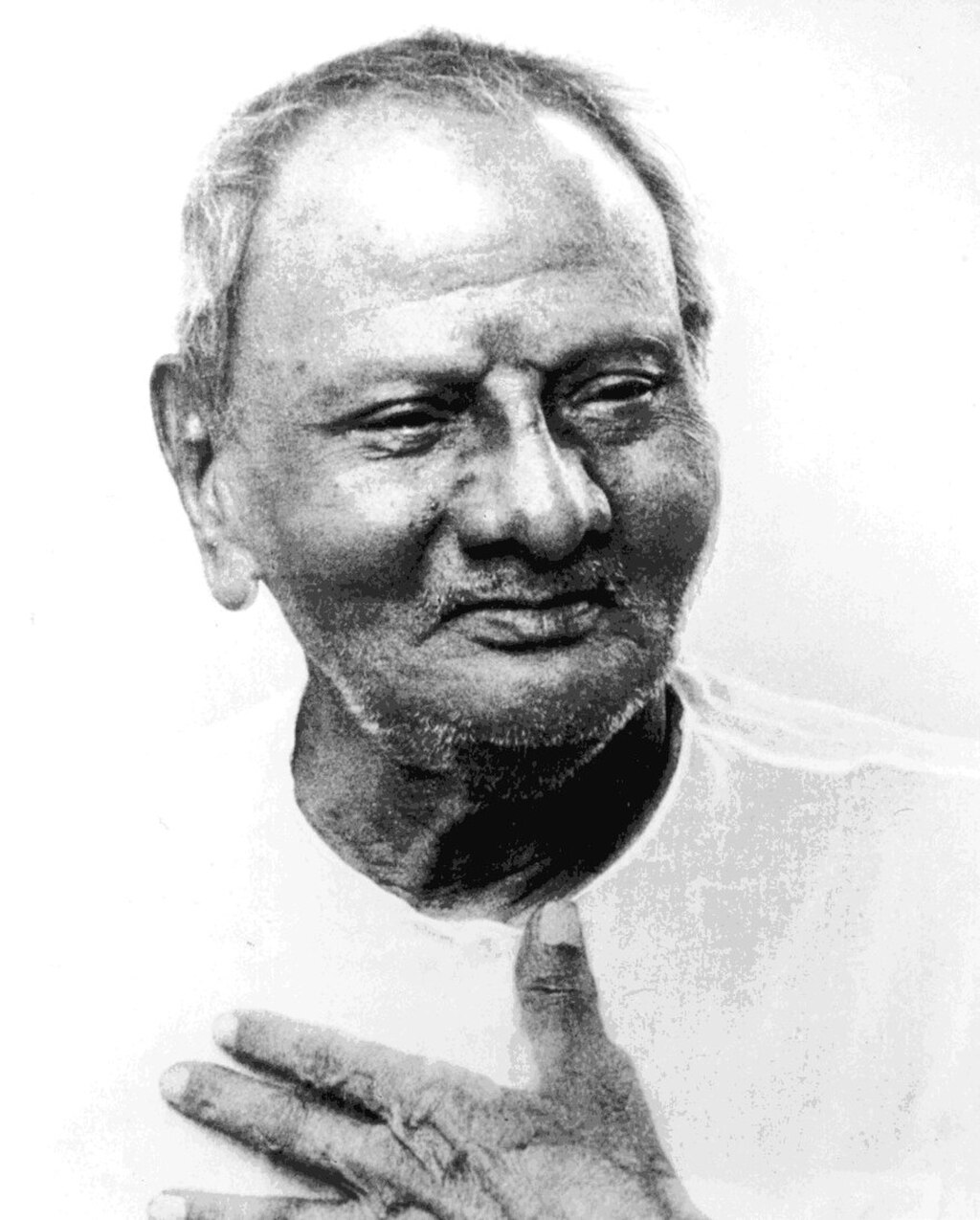
The Prayer of Understanding: Gratitude as the Essence of Reality
Nisargadatta Maharaj's assertion that "the gratitude that flows from understanding the nature of reality is the greatest prayer" invites us to explore the profound relationship between gratitude and our comprehension of existence. This statement suggests that true prayer transcends mere words or rituals; it emerges from a deep awareness of the interconnectedness of all things. In recognizing the nature of reality, we cultivate a sense of gratitude that resonates at the core of our being, transforming our experience of life into a sacred offering.
To grasp the significance of this quote, we must delve into the essence of what it means to understand reality. This understanding is not merely intellectual; it is an experiential realization that shapes our perception and interaction with the world. When we awaken to the truth of our existence, we recognize the beauty and complexity of life, prompting a natural response of gratitude. This gratitude, rooted in awareness, becomes a powerful form of prayer, one that aligns us with the fundamental nature of consciousness and existence itself.
The image / the metaphor
The imagery in Maharaj's quote evokes a sense of flowing, suggesting that gratitude is not a stagnant emotion but a dynamic force that moves through us. The use of the word "flows" implies a natural, effortless state, as if gratitude is an inherent quality of our being when we align with the truth of reality. This flow is akin to a river, continuously nourishing the landscape of our lives, shaping our experiences and relationships with its gentle yet persistent presence.
Diving deeper into the metaphor, we can see that this flow of gratitude is not just a response to external circumstances but a reflection of our inner state of consciousness. When we understand the nature of reality, we tap into a wellspring of appreciation that transcends the dualities of pleasure and pain, success and failure. This gratitude becomes a transformative energy, allowing us to navigate the complexities of life with grace and equanimity, ultimately leading us to a deeper connection with ourselves and the world around us.
In the speaker's tradition
Nisargadatta Maharaj's teachings are deeply rooted in the Vedantic tradition, which emphasizes the pursuit of self-realization and the understanding of the ultimate nature of reality, or Brahman. Concepts such as dharma, the moral order of the universe, and prajna, or wisdom, are integral to this understanding. In this context, gratitude emerges as a natural byproduct of recognizing our interconnectedness with all beings and the universe itself, fostering a sense of unity that transcends individual ego.
In the text "I Am That," Maharaj often speaks of the importance of self-inquiry and the realization of one's true nature. This aligns with the notion of kenosis, or self-emptying, where one relinquishes the ego to embrace a more profound understanding of existence. The practice of self-inquiry leads to the recognition of sunyata, or emptiness, which ultimately reveals the fullness of being. In this light, gratitude becomes not just an emotional response but a recognition of the inherent wholeness of life.
Living the teaching
Consider a modern scenario where this teaching can be applied: a person facing a challenging situation, such as the loss of a job. Initially, this experience may evoke feelings of despair and uncertainty. However, through the lens of gratitude that arises from understanding the nature of reality, one might begin to see this moment as an opportunity for growth and transformation. By recognizing the impermanence of circumstances and the interconnectedness of all experiences, the individual can cultivate a sense of appreciation for the lessons learned and the new paths that may emerge.
In relationships, this teaching can manifest in profound ways. Imagine a conflict with a loved one that leads to feelings of resentment and anger. By applying the principle of gratitude rooted in understanding, one can shift their perspective to appreciate the opportunity for deeper connection and healing. This shift allows for a more compassionate approach, fostering forgiveness and understanding, ultimately enriching the relationship and nurturing a sense of unity.
A reflection
As we contemplate Nisargadatta Maharaj's profound insight, we are invited to reflect on our own lives: How often do we express gratitude for the very nature of our existence? In moments of difficulty or uncertainty, can we find the space to recognize the underlying truth that connects us all? This contemplation encourages us to explore the depths of our awareness and to embrace gratitude as a transformative force in our lives, inviting us to live more fully in alignment with the essence of reality.


