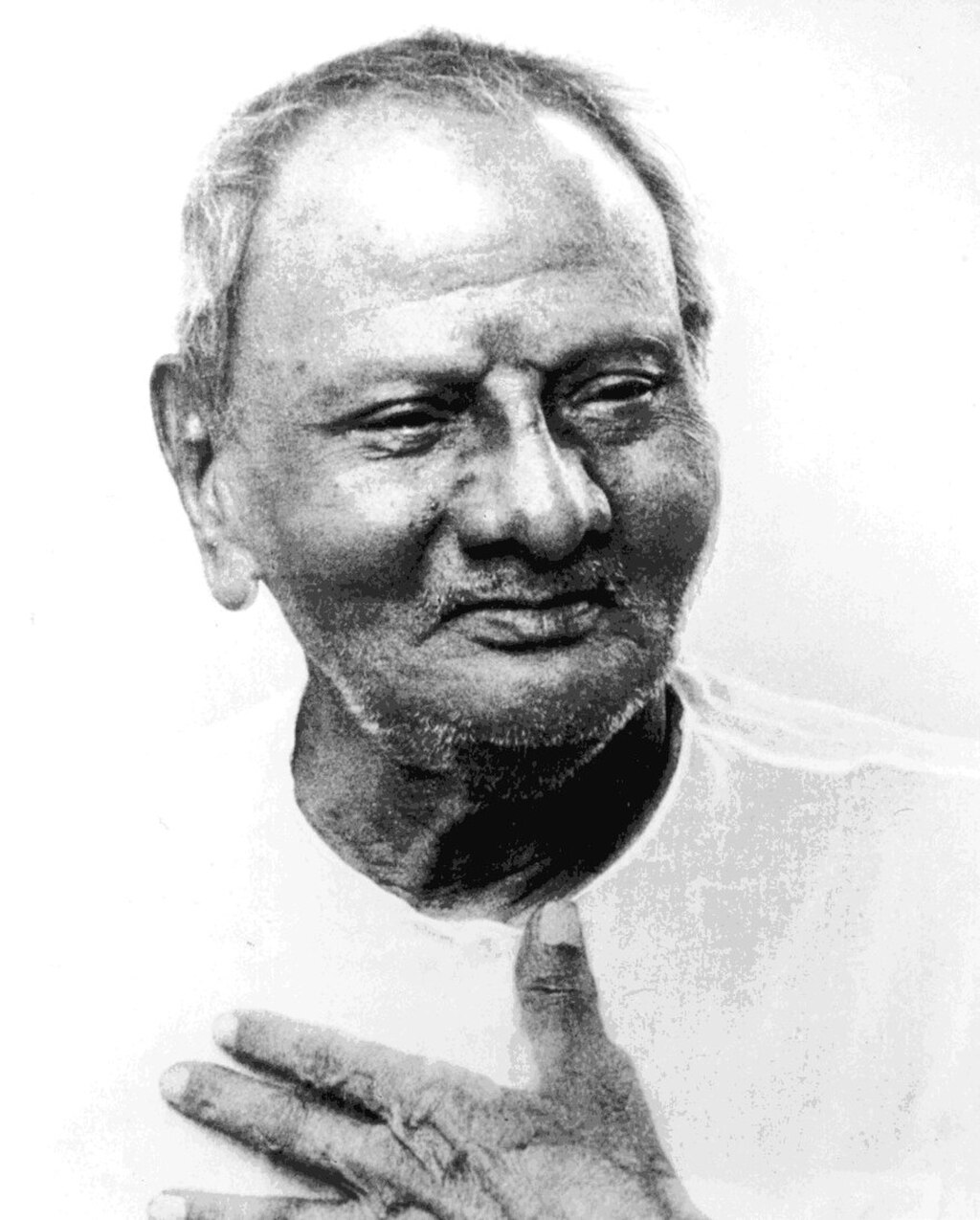
Embracing the Wholeness of Being
Nisargadatta Maharaj's profound assertion, "Refuse to take yourself to be a separate person," invites us to reconsider the very fabric of our identity. In a world that often emphasizes individuality and separation, this teaching challenges us to dissolve the boundaries we create between ourselves and the universe. The stakes are high: by clinging to the illusion of separateness, we risk living in a state of perpetual discontent, disconnected from the deeper truths of existence.
This invitation to transcend the notion of a separate self is not merely philosophical; it is a call to awaken to a more profound reality. In recognizing that our perceived individuality is a construct, we open ourselves to the possibility of unity with all that is. This realization can lead to a transformative shift in our consciousness, allowing us to experience life not as isolated beings but as integral parts of a vast, interconnected whole.
The image / the metaphor
The imagery in Maharaj's quote evokes a sense of liberation from the confines of personal identity. The verb "refuse" suggests an active choice, a deliberate act of letting go of the ego's grip on our perception. This refusal is not an act of denial but rather an invitation to explore the deeper layers of our being, where the illusion of separation begins to dissolve. The felt sense of this teaching is akin to shedding a heavy cloak, revealing the lightness of our true nature.
In the speaker's tradition
Nisargadatta Maharaj's teachings are rooted in the non-dual tradition, which emphasizes the interconnectedness of all beings and the illusion of separateness. Concepts such as *sunyata* (emptiness) and *fana* (annihilation of the self) resonate deeply within this framework. The practice of *kenosis*, or self-emptying, aligns with Maharaj's call to refuse the identification with a separate self, inviting practitioners to embrace a state of openness and receptivity to the divine essence that permeates all existence.
In his seminal work, *I Am That*, Maharaj articulates the notion that the true self transcends the limitations of personal identity. He invites seekers to engage in self-inquiry, asking, "Who am I?" This question serves as a gateway to deeper understanding, leading us to the realization that our essence is not confined to the stories we tell ourselves but is instead a reflection of the universal consciousness that binds us all.
Living the teaching
Consider a modern scenario where this teaching can be applied: a workplace conflict. Imagine two colleagues who are embroiled in a disagreement, each firmly entrenched in their perspectives. By embracing Maharaj's teaching, one might step back and recognize that the conflict arises from a sense of separateness—each person clinging to their individual narrative. By refusing to identify solely as a separate individual, they can approach the situation with empathy and understanding, fostering a collaborative spirit that transcends personal grievances.
In the realm of relationships, this teaching can profoundly alter our interactions. Picture a moment of tension with a loved one, where misunderstandings create a rift. By refusing to take oneself as a separate entity, one can cultivate a sense of compassion and connection, recognizing that the other person is not an adversary but a fellow traveler on the path of life. This shift in perspective allows for healing and reconciliation, as the bonds of love and understanding deepen in the recognition of shared humanity.
A reflection
As we contemplate Maharaj's invitation to refuse the notion of separateness, we are called to examine the ways in which we cling to our individual identities. What stories do we tell ourselves that reinforce this illusion? In this moment of reflection, consider: How might your life change if you embraced the truth of your interconnectedness with all beings? Allow this question to guide your contemplation, inviting a deeper exploration of the essence of your being.


