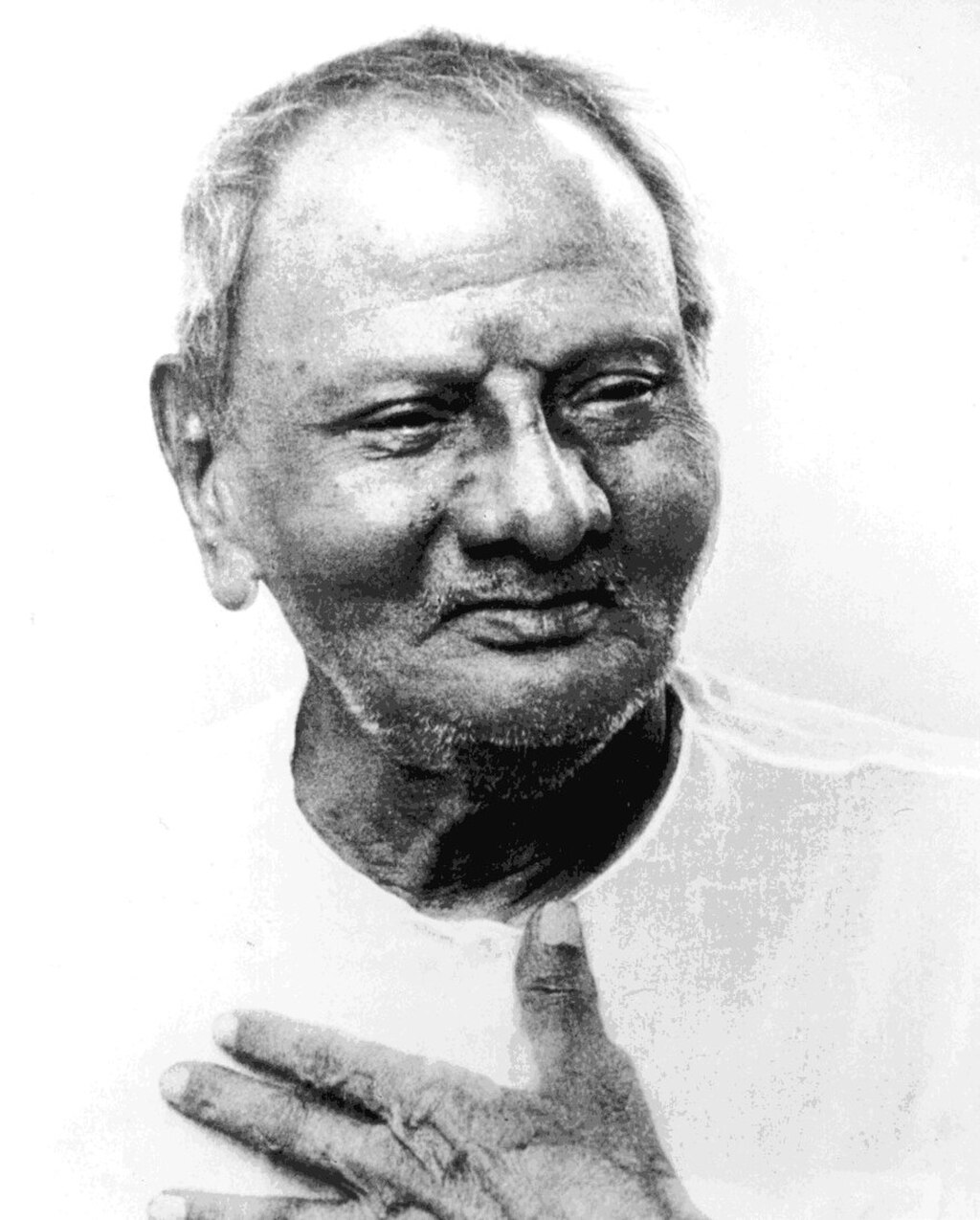
Awakening to the Inner Guru
The assertion that "the greatest guru is your own inner self" invites us to turn our gaze inward, suggesting that the most profound wisdom resides within. This perspective challenges the conventional notion of seeking guidance from external sources, urging us to cultivate a deeper relationship with our own consciousness. In a world often preoccupied with external validation and authority, this teaching serves as a powerful reminder of the innate wisdom that lies within each of us, waiting to be discovered.
As we explore this quote from Nisargadatta Maharaj, we are beckoned to consider the implications of self-reliance in our spiritual journeys. The idea that our inner self can serve as our greatest teacher not only empowers us but also emphasizes the importance of introspection and self-awareness. This journey inward is not merely an act of self-discovery; it is a profound exploration of our true nature, one that can lead to liberation from the illusions that bind us.
The image / the metaphor
The imagery of the "inner self" conjures a sense of depth and richness, suggesting a vast inner landscape that is often overlooked. The term "guru" traditionally evokes images of wise teachers, often external figures who guide us along our spiritual paths. However, Nisargadatta Maharaj's use of this term in conjunction with "inner self" shifts the focus from the external to the internal, inviting us to recognize that the most significant insights and revelations arise from within. The verbs "is" and "greatest" imply a state of being that is both immediate and profound, encouraging us to acknowledge the inherent wisdom that exists within our own consciousness.
Diving deeper into the metaphor, we can see that the "inner self" is not merely a passive observer but an active participant in our spiritual evolution. This self embodies the essence of who we are, unencumbered by societal expectations or external judgments. By recognizing this inner guru, we are encouraged to engage in a dialogue with ourselves, fostering a relationship that is both nurturing and transformative. This metaphor serves as a reminder that the journey toward enlightenment is not a solitary pursuit but rather an intimate conversation with our own being.
In the speaker's tradition
Nisargadatta Maharaj's teachings are rooted in the non-dual tradition, which emphasizes the interconnectedness of all existence and the illusion of separateness. Central to this philosophy is the concept of "advaita," or non-duality, which posits that the individual self (atman) and the universal self (Brahman) are one and the same. This understanding encourages practitioners to look beyond the dualistic perceptions of self and other, recognizing that the true guru resides within, guiding us toward the realization of our unity with the cosmos. The notion of "kenosis," or self-emptying, further complements this teaching, as it invites us to relinquish our attachments and preconceived notions to fully embrace our inner wisdom.
In the context of Maharaj's teachings, we can draw parallels to the Buddhist concept of "sunyata," or emptiness, which also emphasizes the importance of looking within to uncover the true nature of reality. Just as sunyata reveals the interconnectedness of all phenomena, the recognition of our inner guru illuminates the path to self-realization. In his seminal work, "I Am That," Maharaj articulates this journey of self-inquiry, urging seekers to question their beliefs and assumptions in order to uncover the profound truth of their existence.
Living the teaching
Consider a modern scenario where the teaching of the inner guru can be applied: a professional facing a significant career decision. In such moments, the pressure to seek advice from mentors or colleagues can be overwhelming. However, by turning inward and reflecting on one's values, aspirations, and intuition, the individual can access their inner wisdom. This process may involve quiet contemplation, journaling, or meditation, allowing the person to connect with their authentic self and make choices that resonate with their true nature.
Another application of this teaching can be found in interpersonal relationships. When conflicts arise, it is common to seek external validation or guidance from friends or family. Yet, by embracing the idea of the inner guru, one can pause and reflect on their feelings, motivations, and responses. This introspective approach fosters greater understanding and compassion, enabling individuals to navigate challenges with a sense of clarity and purpose. By recognizing the wisdom within, we cultivate healthier relationships and a deeper connection to ourselves and others.
A reflection
As we contemplate the profound assertion that "the greatest guru is your own inner self," we are invited to engage in a reflective inquiry: What practices can I cultivate to deepen my connection with my inner wisdom? This question encourages us to explore the various ways we can nurture our relationship with ourselves, fostering a sense of trust and understanding that can guide us through life's complexities. In this journey of self-discovery, we may uncover insights that not only illuminate our paths but also empower us to embrace our true selves.


