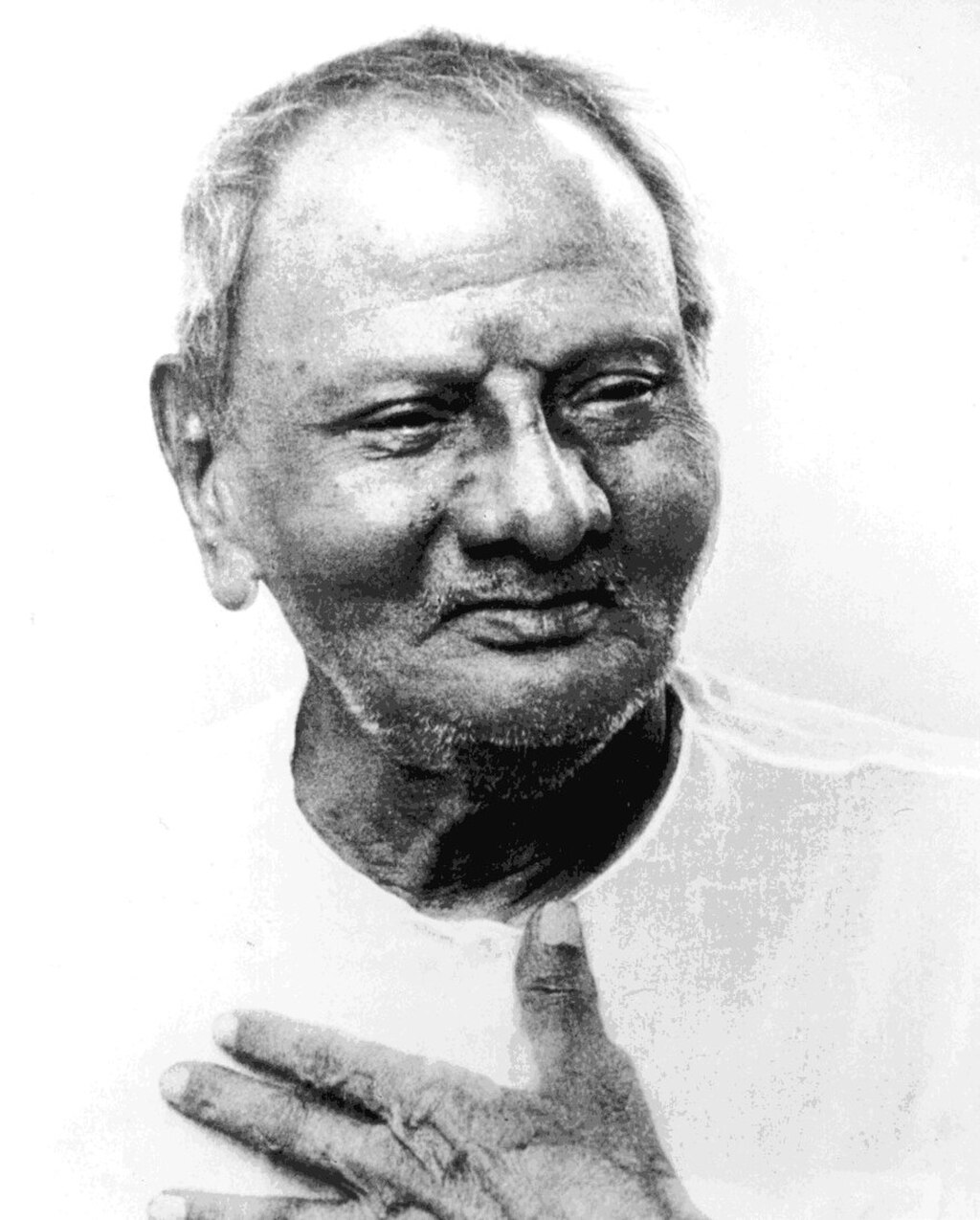
The Unseen Witness: Embracing the Paradox of Perception
The quote "The seer cannot be seen" by Nisargadatta Maharaj invites us into a profound exploration of the nature of perception and the essence of self-awareness. It suggests a fundamental paradox: the observer, the one who perceives, remains elusive and beyond the grasp of direct observation. This insight is not merely philosophical; it has the potential to transform our understanding of identity and existence, urging us to look beyond the surface of our experiences to uncover deeper truths about consciousness.
In a world dominated by the visible and the tangible, this statement challenges us to reconsider what it means to truly "see." It compels us to question the very nature of our awareness and the distinction between the observer and the observed. By engaging with this paradox, we can begin to unravel the layers of our conditioned perceptions, leading us toward a more profound understanding of our true nature and the interconnectedness of all beings.
The image / the metaphor
The imagery in "The seer cannot be seen" evokes a sense of mystery and depth. The term "seer" suggests an active participant in the act of witnessing, yet the phrase implies that this participant eludes visibility. The verbs chosen—"see" and "cannot be seen"—create a dynamic tension, inviting us to explore the relationship between perception and existence. This paradoxical statement resonates with the experience of looking into a mirror; while we can see our reflection, the essence of who we are remains intangible, a feeling rather than a sight.
Diving deeper into the metaphor, we encounter the notion that the seer represents consciousness itself, an ever-present awareness that observes thoughts, emotions, and experiences without becoming entangled in them. This perspective aligns with the teachings of non-duality, where the distinction between subject and object dissolves. The seer, as the essence of awareness, is not an entity that can be grasped or defined; rather, it is the very foundation of our being, a silent witness to the unfolding drama of life.
In the speaker's tradition
Nisargadatta Maharaj's teachings are rooted in the non-dual tradition, which emphasizes the unity of existence and the illusory nature of separation. Concepts such as *sunyata* (emptiness) and *fana* (annihilation of the self) resonate deeply with the idea that the seer cannot be seen. In this context, the seer embodies the ultimate reality, transcending the dualistic perceptions that often confine our understanding of self and other. The realization of this truth leads to a profound sense of liberation, as one recognizes that the essence of being is not separate from the fabric of existence itself.
In *I Am That*, Maharaj articulates this understanding through dialogues that challenge the seeker to look beyond their conditioned identity. He often refers to the concept of *prajna*, or wisdom, which arises when one recognizes the distinction between the transient nature of thoughts and the unchanging essence of consciousness. This wisdom is not merely intellectual; it is an experiential understanding that transforms how we relate to ourselves and the world around us.
Living the teaching
Consider a modern scenario where this teaching might resonate: a person grappling with self-doubt and anxiety in their professional life. They may find themselves constantly seeking validation from others, striving to be seen and acknowledged. However, by reflecting on the notion that "the seer cannot be seen," they can begin to shift their focus inward, recognizing that their worth is not contingent upon external approval. This internal shift allows them to cultivate a sense of self that is grounded in awareness rather than in the fleeting opinions of others.
This teaching can also be applied in the context of relationships. Imagine a moment of conflict where one partner feels misunderstood and unseen. By embracing the idea that the seer—their true self—cannot be fully grasped by another, they may find the space to communicate more authentically. This understanding fosters compassion and patience, allowing both partners to navigate their differences with a sense of shared humanity, rather than becoming entrenched in their individual perspectives.
A reflection
As we contemplate the depth of "The seer cannot be seen," we are invited to explore the nature of our own awareness. What does it mean to witness our thoughts and emotions without becoming identified with them? In this inquiry, we may discover that the essence of our being is not something to be seen or defined, but rather an ever-present awareness that transcends the limitations of perception. How might this understanding transform your relationship with yourself and the world around you?


