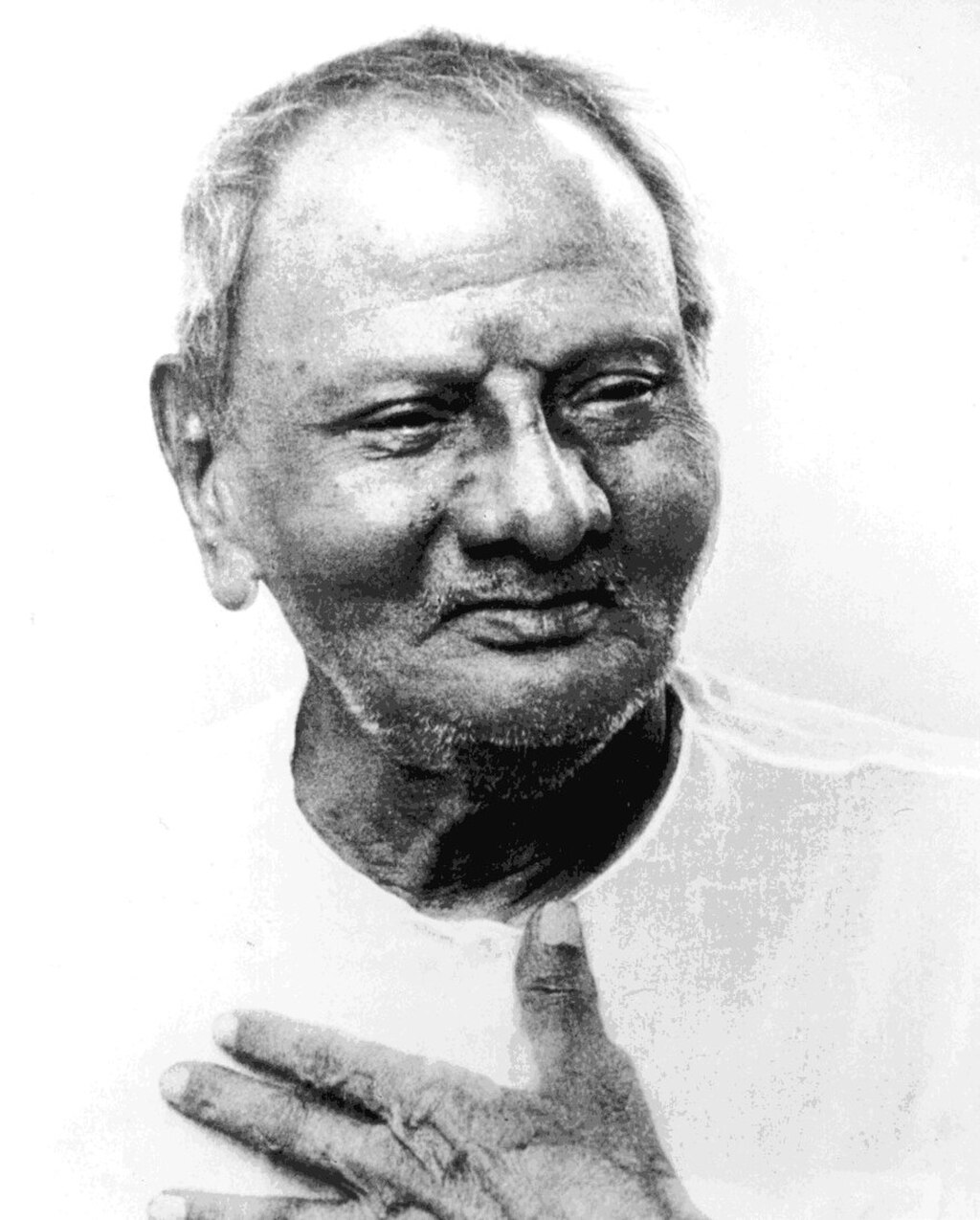
The Proof of Consciousness: A Journey into Being
Nisargadatta Maharaj's assertion, "The very fact of being is the proof of consciousness," invites us to explore the profound relationship between existence and awareness. In this statement, he suggests that our mere existence serves as undeniable evidence of consciousness itself. This insight is not merely philosophical; it challenges us to reflect on the nature of our being and the awareness that accompanies it, urging us to recognize the depth of our experience in a world often clouded by distraction and superficiality.
Delving deeper, we find that this quote encapsulates a fundamental tenet of non-dual philosophy: the inseparability of being and consciousness. Maharaj's words compel us to confront the essence of our existence, prompting us to ask what it truly means to be aware. In a society that often prioritizes external validation and material success, this teaching serves as a reminder to turn inward, to acknowledge that our consciousness is not a mere byproduct of our experiences but the very foundation upon which our understanding of reality is built.
The image / the metaphor
The imagery in Maharaj's quote evokes a sense of simplicity and profundity. The phrase "the very fact of being" suggests a raw, unadulterated state of existence, stripped of all embellishments and distractions. The verb "is" serves as a powerful affirmation, grounding us in the present moment. This directness invites us to feel the weight of our own existence, to recognize that being itself is an act of consciousness, a living testament to the awareness that permeates our lives.
As we explore the metaphor further, we can see that Maharaj's statement transcends mere existence; it points to the interconnectedness of all life. The proof of consciousness is not limited to individual experience but extends to the collective awareness that binds us. In recognizing our shared being, we are invited to contemplate the nature of consciousness itself—an expansive, unifying force that transcends the boundaries of the self and connects us to the greater tapestry of existence.
In the speaker's tradition
Nisargadatta Maharaj's teachings are deeply rooted in the non-dual tradition, which emphasizes the unity of being and consciousness. Concepts such as *advaita* (non-duality) and *sunyata* (emptiness) resonate with his assertion, suggesting that the essence of reality is a singular, undivided whole. In this context, consciousness is not merely a phenomenon of the mind but the very fabric of existence itself, a realization that aligns with the teachings of other spiritual traditions, such as Buddhism and Sufism, which also explore the nature of being and awareness.
In his seminal work, *I Am That*, Maharaj articulates the idea that our true nature is beyond the transient experiences of the mind and body. He encourages seekers to inquire into the nature of the self, leading to the realization that the observer and the observed are one. This profound understanding echoes the teachings found in the *Upanishads*, where the distinction between the individual self (*atman*) and the universal consciousness (*Brahman*) dissolves, revealing the inherent unity of all existence.
Living the teaching
Consider a modern scenario where this teaching can be applied: a moment of frustration in a busy workplace. Amidst the chaos of deadlines and demands, one might feel overwhelmed, losing sight of the deeper reality of being. By pausing to acknowledge the simple fact of existence—breathing, feeling, and being present—one can reconnect with the awareness that underlies all experiences. This shift in perspective transforms frustration into a moment of clarity, allowing for a more grounded and conscious response to the challenges at hand.
In the realm of relationships, Maharaj's teaching can illuminate the dynamics of connection. When faced with conflict or misunderstanding, recognizing that both parties share the same fundamental consciousness can foster empathy and compassion. By acknowledging the shared essence of being, individuals can move beyond ego-driven reactions and engage in deeper, more meaningful dialogues. This practice not only enhances personal relationships but also cultivates a sense of unity and understanding in a world often divided by differences.
A reflection
As we contemplate the profound implications of Maharaj's assertion, we are invited to reflect on our own experiences of being and consciousness. What does it mean for you to simply exist? In what ways can you deepen your awareness of this fundamental truth in your daily life? By engaging with these questions, we open ourselves to the transformative power of consciousness, allowing it to guide us toward a more authentic and connected existence.


Join the BrightStar Community
Stay connected with daily inspiration, event announcements, and community wisdom