Embracing the Inner Universe
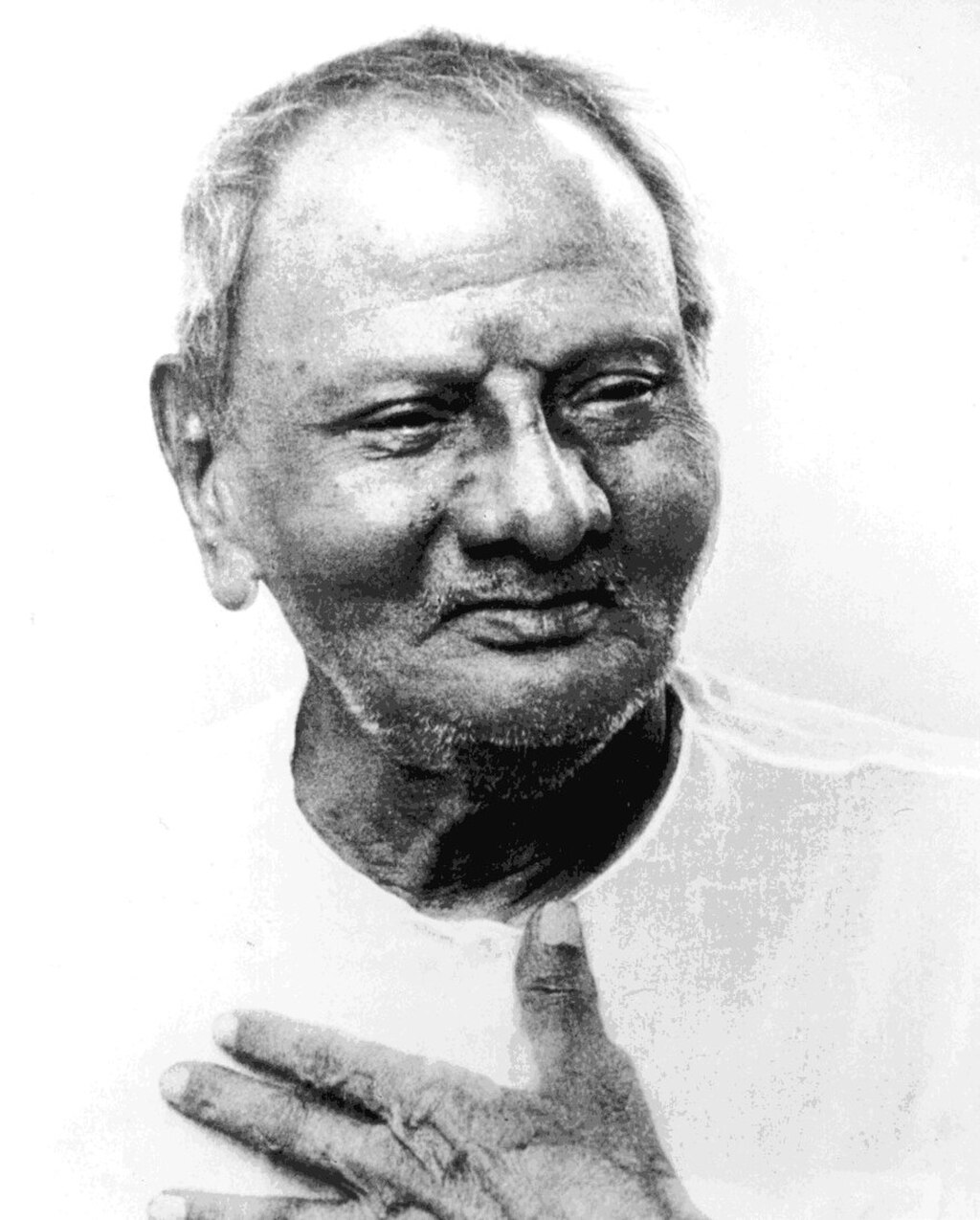
The profound assertion by Nisargadatta Maharaj, "The world is in you, not you in the world," invites us to reconsider our relationship with existence itself. This statement suggests that our perception of the world is not merely a reflection of external circumstances but rather an expression of our inner reality. Understanding this perspective is crucial, as it challenges the conventional notion of identity and encourages us to explore the depths of our consciousness. The stakes are high; this realization can lead to a transformative shift in how we engage with life, moving from a place of separation to one of unity.
Delving deeper, we find that this quote encapsulates the essence of non-duality, a philosophy that emphasizes the interconnectedness of all beings. It beckons us to recognize that the external world is not a separate entity but a manifestation of our inner state. This understanding can liberate us from the confines of ego and the illusion of separateness, allowing us to experience a profound sense of belonging and wholeness. By internalizing this teaching, we can cultivate a more compassionate and harmonious existence, both within ourselves and in our interactions with others.
The image / the metaphor
The imagery in Maharaj's quote evokes a sense of depth and introspection. The phrase "the world is in you" suggests that our experiences, perceptions, and emotions are not merely reactions to external stimuli but rather reflections of our inner landscape. The choice of the verb "is" indicates a state of being, a fundamental truth that transcends the transient nature of the physical world. This perspective invites us to explore the vastness of our inner universe, where thoughts, feelings, and consciousness converge to create our unique experience of reality.
In the speaker's tradition
Nisargadatta Maharaj's teachings are deeply rooted in the tradition of Advaita Vedanta, a non-dual philosophy that emphasizes the oneness of existence. Central to this tradition is the concept of *Brahman*, the ultimate reality that transcends individual identities and manifests as the universe. Maharaj's assertion resonates with the idea of *sunyata*, or emptiness, which suggests that our perceived separateness is an illusion. By recognizing that the world is a reflection of our inner state, we can begin to dissolve the ego and experience the unity that underlies all existence.
In his seminal work, *I Am That*, Maharaj articulates the essence of self-realization, urging seekers to look beyond the surface of their experiences. He emphasizes that true understanding arises from direct experience rather than intellectual comprehension. This aligns with the Buddhist concept of *prajna*, or wisdom, which encourages us to see through the illusions of duality and recognize the interconnectedness of all beings. By embracing this wisdom, we can cultivate a deeper awareness of our true nature and the nature of reality itself.
Living the teaching
Consider a modern scenario where this teaching can be applied: a busy professional navigating the demands of work and personal life. In moments of stress, it is easy to feel overwhelmed by external pressures, believing that the world is imposing its will upon us. However, by internalizing Maharaj's teaching, one can shift their perspective, recognizing that the chaos of the external world is a reflection of their inner state. This realization can lead to a sense of calm and clarity, allowing the individual to respond to challenges with grace and equanimity.
In the context of relationships, this teaching can also illuminate the dynamics we share with others. When conflicts arise, it is common to project our frustrations onto those around us, perceiving them as the source of our discomfort. Yet, by understanding that "the world is in you," we can begin to see that our reactions are rooted in our own perceptions and beliefs. This awareness fosters compassion and empathy, enabling us to engage with others from a place of understanding rather than judgment, ultimately enriching our connections and deepening our sense of unity.
A reflection
As we contemplate the depth of Maharaj's words, we are invited to explore the nature of our own identity and the world we inhabit. How might our perceptions of the external world shift if we truly embraced the understanding that it is a reflection of our inner selves? This question encourages us to engage in a contemplative inquiry, inviting us to examine the beliefs and narratives that shape our experiences. In doing so, we may uncover the profound truth that lies at the heart of our existence, leading us toward a more harmonious and integrated way of being.


