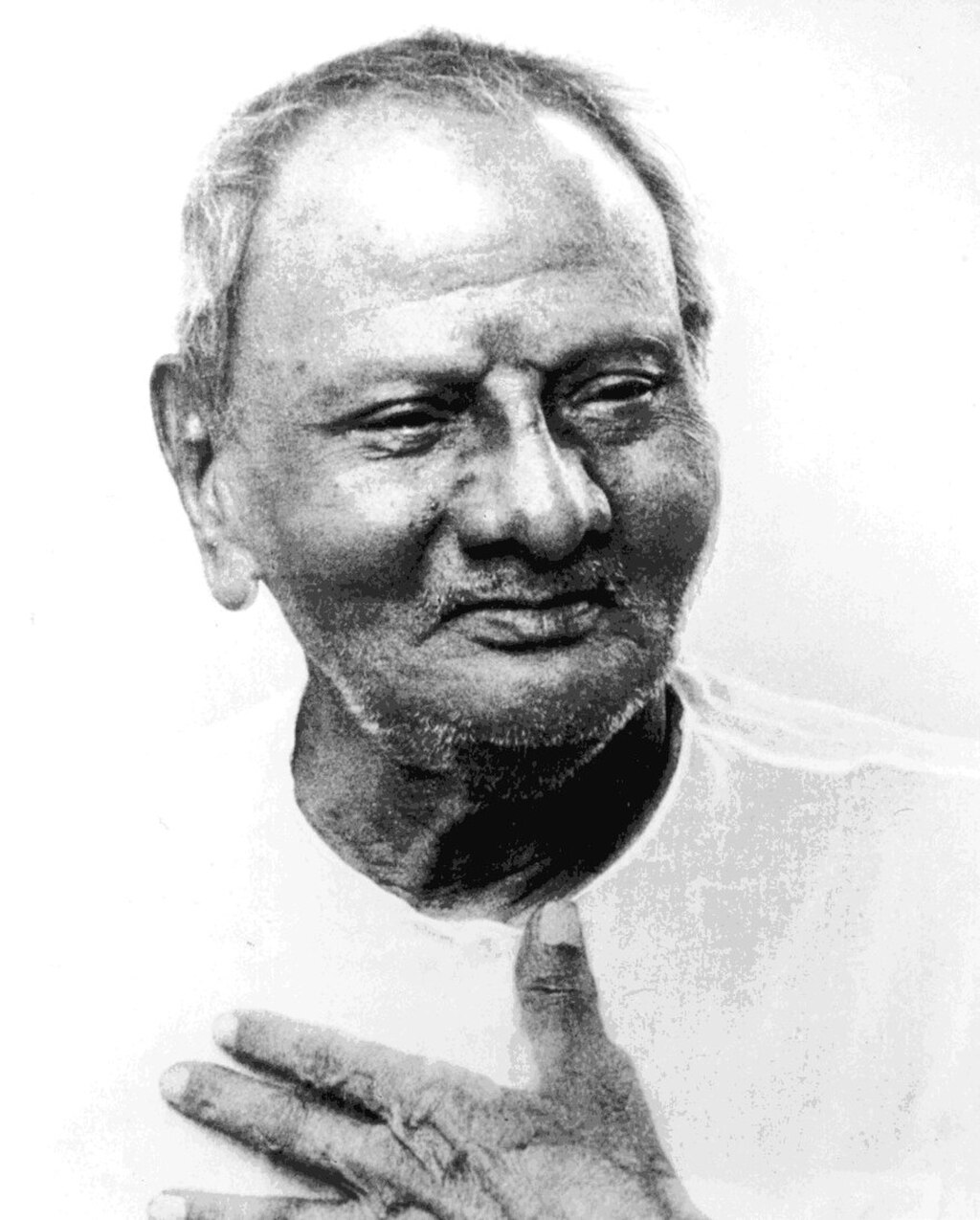
The Unveiling of the Self: A Journey into Non-Dual Awareness
Nisargadatta Maharaj's assertion, "There is only the Self, and that Self is you," invites us to explore the profound depths of our identity and existence. This statement is not merely a philosophical proposition; it is a call to awaken to the essence of our being. In a world often fragmented by dualistic perceptions, this teaching serves as a reminder of the inherent unity that underlies all experience. Understanding this unity is essential for personal transformation and spiritual awakening, as it challenges the very fabric of our conditioned identities.
To grasp the significance of this quote, we must delve into the nature of the Self that Maharaj speaks of. This Self is not the ego, nor is it confined to the limitations of our individual narratives. Instead, it represents an expansive consciousness that transcends personal identity, inviting us to recognize our interconnectedness with all that exists. This realization is pivotal, as it shifts our perspective from isolation to unity, from separation to wholeness, and ultimately leads us to a deeper understanding of our place in the cosmos.
The image / the metaphor
The imagery within Maharaj's quote evokes a sense of singularity and completeness. The phrase "only the Self" suggests a singular essence that permeates all existence, while the declaration "that Self is you" personalizes this universal truth. The verbs chosen—"is"—imply a state of being rather than a transient condition, inviting us to recognize that this Self is not something to be attained but rather something to be realized. This realization is akin to peeling away layers of illusion to reveal the core of our true nature.
Diving deeper into the metaphor, we can envision the Self as an ocean, vast and boundless, while our individual identities are like waves that rise and fall upon its surface. Each wave is unique, yet it is inseparable from the ocean itself. This metaphor illustrates the interplay between individuality and universality, highlighting that while we may experience life through the lens of our personal stories, we are ultimately expressions of the same underlying reality. The challenge lies in recognizing that our essence is not separate from the whole, but rather a vital part of it.
In the speaker's tradition
Nisargadatta Maharaj's teachings are rooted in the non-dual tradition, which emphasizes the oneness of existence and the illusory nature of separateness. Concepts such as *advaita* (non-duality) and *sunyata* (emptiness) resonate deeply within this framework, suggesting that the perceived distinctions between self and other are mere constructs of the mind. In this context, the notion of *kenosis*, or self-emptying, becomes relevant, as it encourages us to relinquish our attachments to ego and identity in order to experience the fullness of the Self.
In his seminal work, *I Am That*, Maharaj articulates the essence of this teaching through dialogues that challenge the seeker to look beyond the transient nature of thoughts and emotions. He often refers to the idea of *prajna*, or wisdom, which arises from direct experience rather than intellectual understanding. This wisdom is not merely an accumulation of knowledge but a profound realization of our true nature, echoing the sentiments found in other non-dual texts, such as the *Upanishads* and the teachings of Ramana Maharshi, who similarly emphasized the importance of self-inquiry in uncovering the Self.
Living the teaching
Consider a modern scenario where this teaching can be applied: a person grappling with feelings of inadequacy in their professional life. They may identify strongly with their job title, viewing it as a reflection of their worth. However, by contemplating Maharaj's teaching, they can begin to see that their true value lies not in external achievements but in the inherent essence of their being. This shift in perspective allows them to approach their work with a sense of purpose and connection, rather than fear and competition, fostering a more harmonious relationship with their career.
In the realm of relationships, this teaching can also illuminate the dynamics we often navigate. Imagine a conflict arising between two friends, each feeling misunderstood and separate in their grievances. By embracing the understanding that "there is only the Self," they can recognize that their disagreements stem from a misunderstanding of their shared essence. This realization can pave the way for deeper empathy and connection, allowing them to transcend their differences and cultivate a more profound bond rooted in unity.
A reflection
As we contemplate the depth of Nisargadatta Maharaj's words, we are invited to engage in a reflective inquiry: How do I perceive the boundaries of my identity, and in what ways might I be clinging to a limited sense of self? This question encourages us to explore the layers of our existence, challenging us to peel back the illusions that separate us from the greater whole. In this exploration, we may find that the journey toward recognizing the Self is not just a personal endeavor but a collective awakening to the unity that binds us all.


