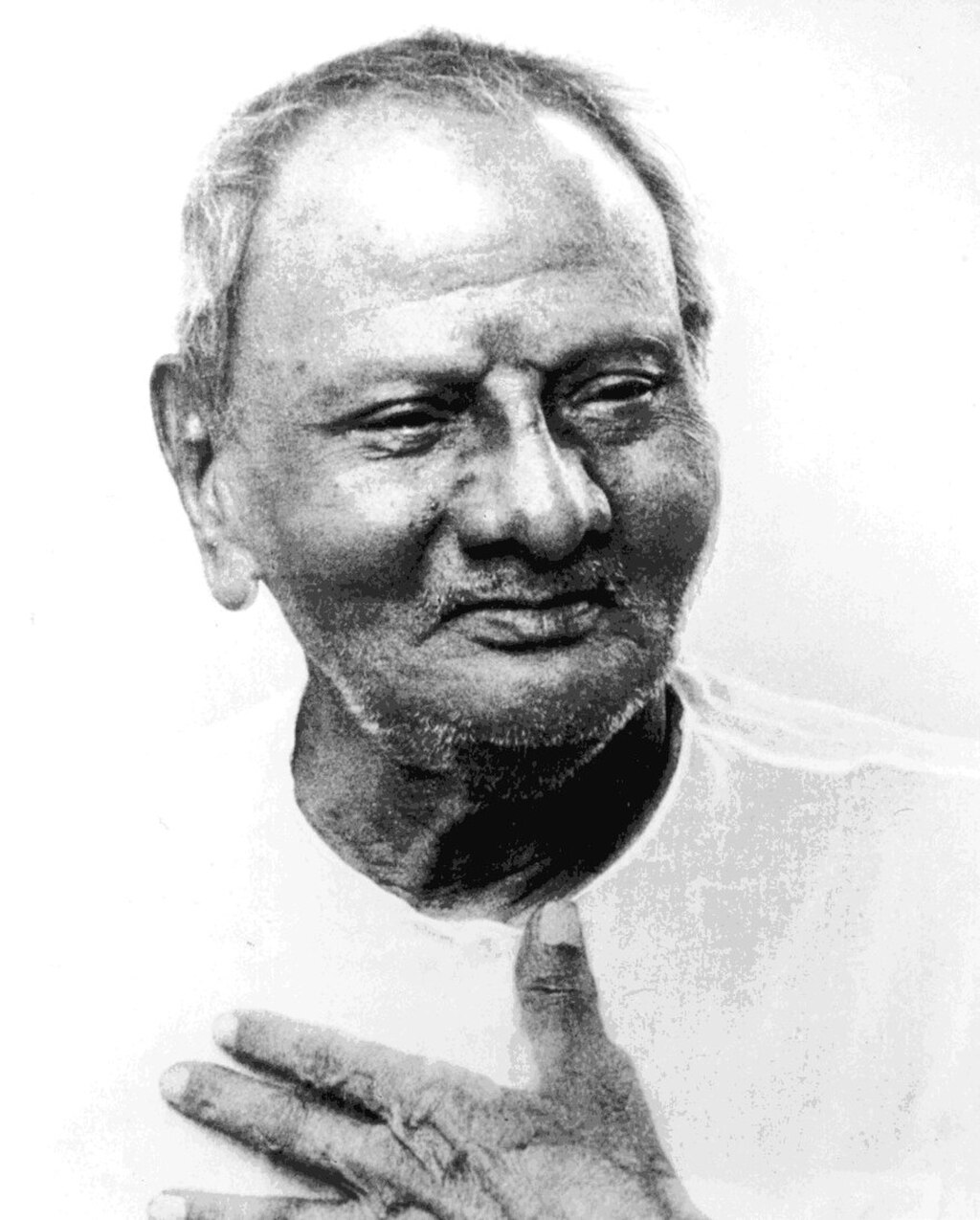
The Essence of Wisdom: Knowing and Acting in Harmony
Nisargadatta Maharaj's assertion that "Wisdom is to know what is, and act accordingly" invites us to explore the profound relationship between understanding reality and our actions within it. This statement emphasizes the importance of perceiving the world as it truly is, free from the distortions of personal bias and illusion. In a time when distractions abound and clarity often eludes us, this wisdom serves as a guiding light, urging us to align our actions with the deeper truths of existence.
To act in accordance with what is requires a deep engagement with our inner selves and the world around us. It is not merely an intellectual exercise but a transformative practice that demands presence and awareness. In recognizing the essence of reality, we find the courage to respond authentically, fostering a life that resonates with integrity and purpose. This teaching is not just a philosophical musing; it is a call to embody wisdom in every facet of our lives.
The image / the metaphor
The quote presents a vivid image of wisdom as a bridge between knowledge and action. The verbs "know" and "act" are not mere suggestions; they are imperatives that highlight the dynamic interplay between awareness and behavior. To "know what is" suggests a deep, intuitive understanding of reality, while "act accordingly" emphasizes the necessity of translating that understanding into tangible actions. This duality evokes a sense of movement, where wisdom is not static but rather a flowing current that guides us through the complexities of life.
Diving deeper into the metaphor, we can see that wisdom is akin to a compass, providing direction in the vast landscape of existence. It implies that true knowledge is not an accumulation of facts but a profound insight into the nature of being. When we grasp the essence of what is, we are empowered to navigate our lives with clarity and intention, making choices that reflect our understanding rather than our fears or desires. This metaphor invites us to consider how often we act without true awareness, and challenges us to cultivate a more profound connection to our inner wisdom.
In the speaker's tradition
Nisargadatta Maharaj's teachings are rooted in the non-dual tradition, which emphasizes the unity of all existence and the illusion of separation. Concepts such as *sunyata* (emptiness) and *prajna* (wisdom) resonate deeply with his assertion about wisdom. In this context, to know what is means to recognize the interconnectedness of all things, transcending the ego's limitations and embracing a more expansive view of reality. This understanding is not merely intellectual; it is a lived experience that transforms our perception and actions.
In his seminal work, *I Am That*, Maharaj often refers to the importance of self-inquiry and the realization of one's true nature. This aligns with the idea that wisdom arises from a deep understanding of the self and the nature of existence. The practice of self-inquiry, akin to the Buddhist concept of *kenosis* (self-emptying), encourages us to peel away the layers of illusion and discover the essence of our being. This journey towards self-realization is essential for acting in accordance with what is, as it fosters a profound connection to the truth of our existence.
Living the teaching
Consider a modern scenario where this teaching can be applied: a workplace conflict. Imagine two colleagues who are at odds over a project. If one of them takes a moment to step back and truly understand the situation—recognizing the motivations, fears, and desires of both parties—they can approach the conflict with wisdom. Instead of reacting impulsively or defensively, they can act in a way that fosters collaboration and understanding, ultimately leading to a more harmonious outcome. This illustrates how knowing what is—understanding the dynamics at play—can lead to actions that promote resolution and growth.
In a different context, think about a personal relationship facing challenges. When one partner feels hurt or misunderstood, the other might instinctively react with defensiveness. However, if they pause to recognize the underlying emotions and the reality of the situation, they can choose to respond with empathy and openness. This shift from reaction to thoughtful action embodies the essence of Maharaj's teaching, demonstrating that wisdom is not just about knowledge but about how we engage with the world and those we love.
A reflection
As we contemplate the depth of Nisargadatta Maharaj's words, we are invited to reflect on our own lives: How often do we act without truly knowing what is? In moments of confusion or conflict, can we pause to seek clarity and understanding before responding? This contemplation encourages us to cultivate a practice of awareness, inviting us to explore the spaces between thought and action, and to align our lives more closely with the wisdom that resides within us.


