The Journey Within: Discovering the Answer You Seek
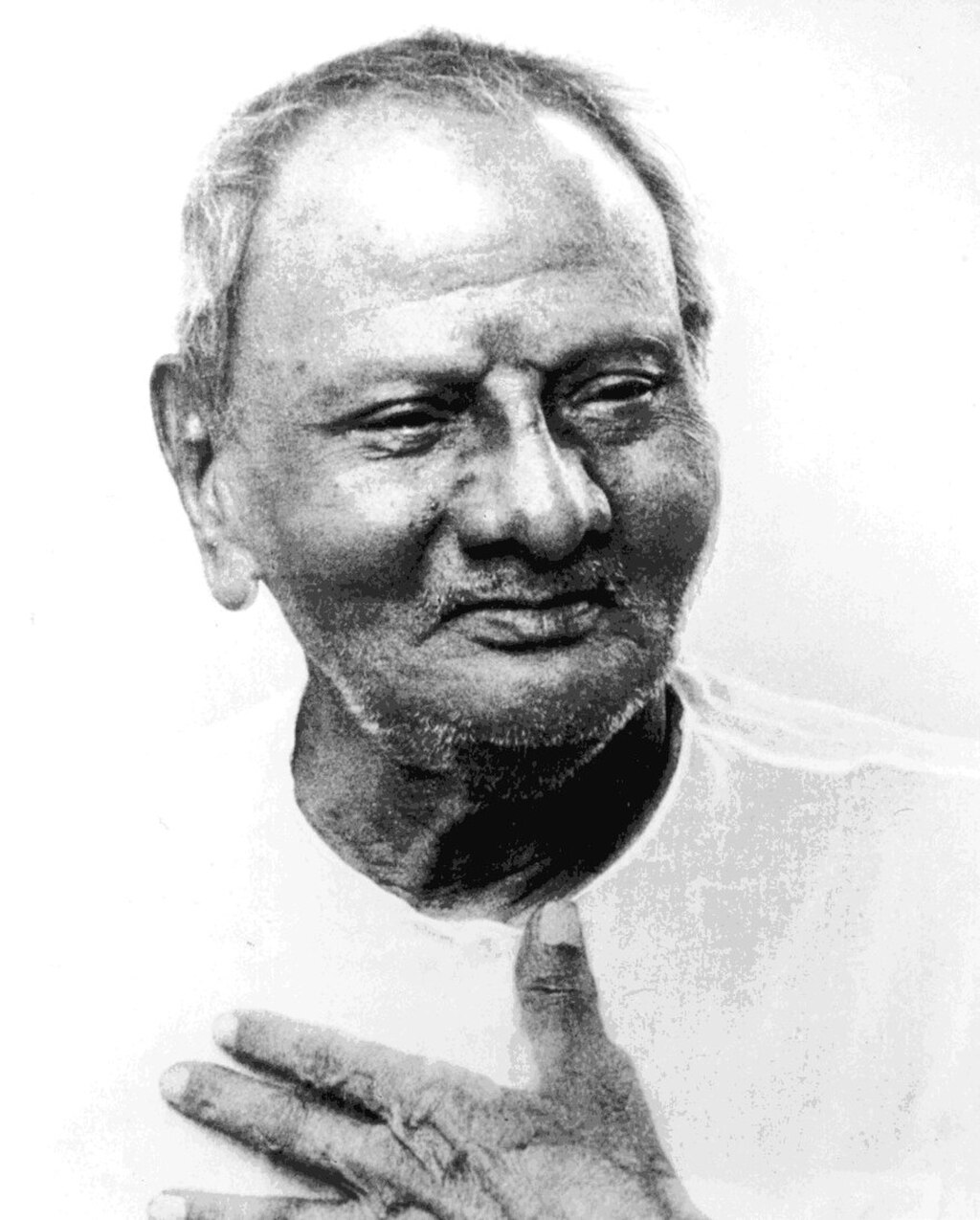
"You are the answer you seek." This profound statement by Nisargadatta Maharaj invites us to explore the depths of our own being, suggesting that the solutions to our existential inquiries lie not in external pursuits but within ourselves. In a world often characterized by relentless searching—whether for happiness, purpose, or understanding—this assertion challenges the very foundation of our seeking. It compels us to reconsider the nature of our desires and the essence of our identity, urging us to turn inward in a quest for clarity and fulfillment.
At its core, this quote speaks to the unity of existence and the interconnectedness of all things. It suggests that the answers we yearn for are not separate from us; rather, they are intrinsic to our nature. This realization can be both liberating and daunting, as it requires us to confront the layers of conditioning and distraction that obscure our true selves. By recognizing that we embody the answers we seek, we are invited to embark on a transformative journey of self-discovery, one that transcends the limitations of the mind and reveals the profound wisdom of our being.
The image / the metaphor
The imagery in Nisargadatta Maharaj's quote evokes a sense of introspection and self-realization. The phrase "you are the answer" implies a deep, intrinsic connection between the seeker and the sought. It suggests that the essence of our being is not merely a passive observer but an active participant in the unfolding of truth. The verb "are" emphasizes existence and presence, urging us to recognize that our true nature is already aligned with the answers we seek. This realization can evoke a felt sense of relief, as it shifts the burden of searching from the external to the internal.
In the speaker's tradition
Nisargadatta Maharaj's teachings are rooted in the non-dual tradition, which emphasizes the fundamental unity of existence. Concepts such as *advaita* (non-duality) and *sunyata* (emptiness) resonate deeply with the idea that the seeker and the sought are one. In this context, the notion of *kenosis*, or self-emptying, becomes relevant, as it invites us to relinquish our attachments and preconceived notions in order to uncover the truth of our being. This path of self-inquiry aligns with the teachings of other non-dual sages, who emphasize the importance of recognizing the illusory nature of the ego and the separateness it creates.
In his seminal work, *I Am That*, Maharaj articulates the essence of self-realization through dialogues that challenge the seeker to look beyond the surface of their thoughts and emotions. He encourages a direct inquiry into the nature of the self, echoing the wisdom found in texts such as the *Upanishads*, where the inquiry "Who am I?" serves as a gateway to understanding the true self. This exploration reveals that the answers we seek are not external validations but rather the recognition of our inherent nature as consciousness itself.
Living the teaching
Consider a modern scenario where an individual grapples with feelings of inadequacy in their professional life. They may seek validation through external achievements, believing that success will bring them the fulfillment they desire. However, by reflecting on Maharaj's teaching, they can begin to understand that the source of their worthiness is not contingent upon external accolades but rather resides within their own consciousness. This shift in perspective allows them to approach their work with a sense of purpose and authenticity, recognizing that they are already complete and capable.
In the realm of relationships, this teaching can manifest in moments of conflict or misunderstanding. When faced with a disagreement, one might instinctively seek resolution through external means—apologies, explanations, or even avoidance. However, by embracing the idea that "you are the answer you seek," individuals can turn inward, examining their own feelings and motivations. This introspective approach fosters deeper empathy and understanding, allowing for more authentic connections and the possibility of healing within the relationship.
A reflection
As we contemplate the profound assertion that "you are the answer you seek," we are invited to engage in a deeper inquiry into our own lives. What aspects of your being have you overlooked in your quest for understanding and fulfillment? In what ways can you turn inward to discover the wisdom that resides within? Allow this contemplation to guide you toward a greater awareness of your true nature, and embrace the journey of self-discovery that awaits.


