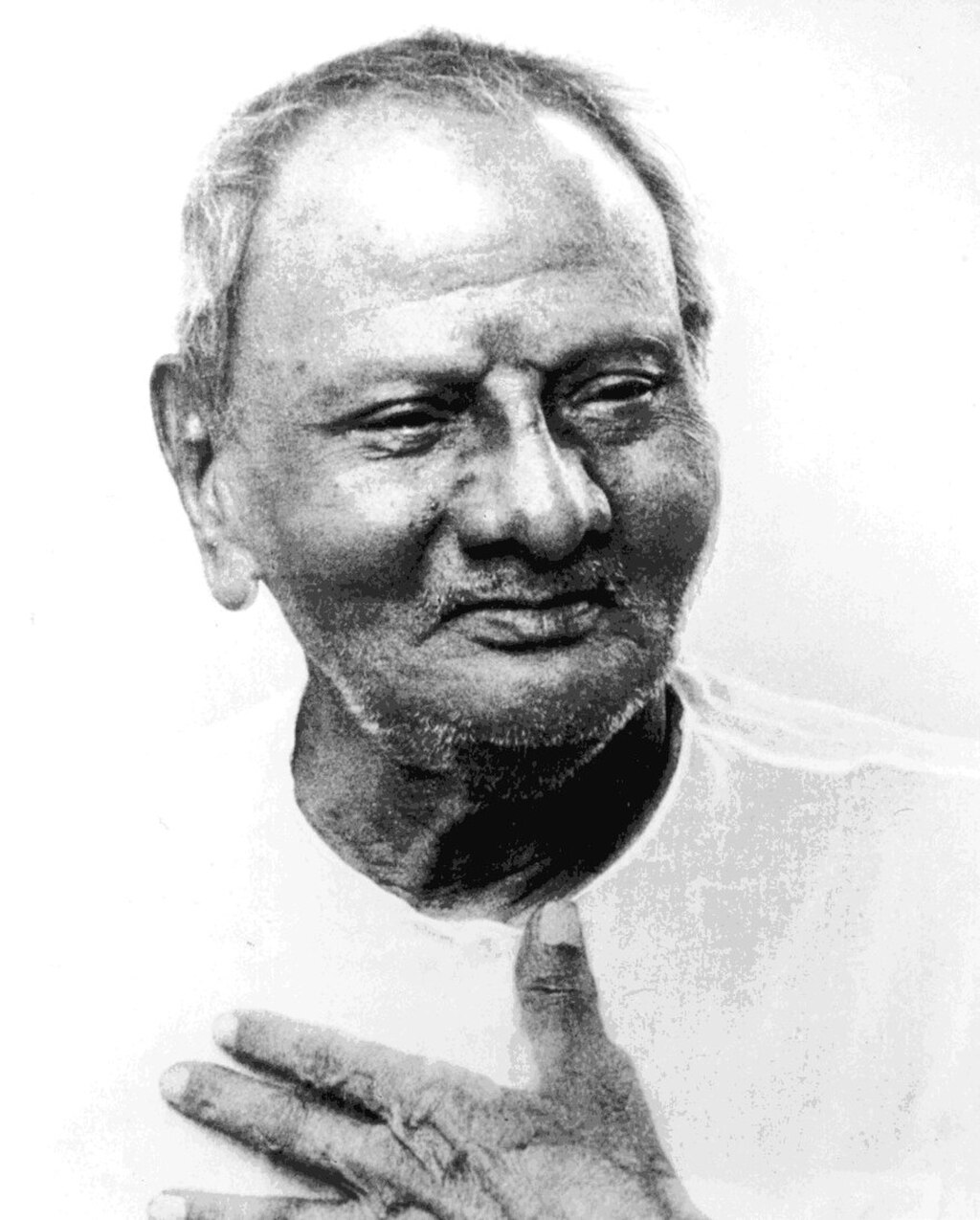
Awakening to the Witness Within
Nisargadatta Maharaj's profound assertion, "You are the seer. The seen is in you," invites us to explore the intricate relationship between perception and existence. This statement challenges our conventional understanding of self and reality, urging us to recognize that the observer and the observed are not separate entities but rather intertwined aspects of a singular consciousness. Understanding this relationship is crucial for anyone seeking deeper insight into the nature of being and the essence of awareness.
At its core, this quote beckons us to shift our focus from the external world to the inner landscape of our consciousness. It suggests that the act of seeing is not merely a passive reception of information but an active engagement with the very fabric of reality. By recognizing ourselves as the seer, we begin to unravel the layers of illusion that often cloud our perception, revealing the profound truth that the seen—our experiences, thoughts, and emotions—emanates from within us. This realization holds the potential to transform our understanding of existence and our place within it.
The image / the metaphor
The imagery in Maharaj's quote is strikingly evocative. The term "seer" conjures the idea of an active participant in the act of witnessing, while "the seen" refers to the myriad experiences and phenomena that populate our lives. The verbs chosen—"are" and "is"—suggest a state of being that transcends duality, inviting us to consider that the act of seeing is not separate from what is seen. This intimate connection between the observer and the observed creates a felt sense of unity, urging us to explore the depths of our consciousness.
Diving deeper into the metaphor, we can perceive the seer as a representation of our true self, the essence of awareness that exists beyond the fluctuations of thought and emotion. The seen, then, becomes a manifestation of this awareness, a projection of our inner state. This interplay between the seer and the seen invites us to reflect on the nature of perception itself—how our beliefs, biases, and conditioning shape our experiences. By recognizing that the seen is contained within us, we begin to understand that our reality is not merely a reflection of the external world but a creation of our own consciousness.
In the speaker's tradition
Nisargadatta Maharaj's teachings are rooted in the non-dual tradition of Advaita Vedanta, which emphasizes the oneness of existence and the illusory nature of separation. Concepts such as *dharma* (the natural order), *sunyata* (emptiness), and *fana* (annihilation of the self) resonate deeply within this framework. The idea that the seer and the seen are not distinct aligns with the principle of *advaita*, which posits that the ultimate reality is a singular, undivided consciousness. This understanding invites us to transcend the dualistic perceptions that often govern our lives.
In the context of Maharaj's teachings, we can draw parallels with the Buddhist concept of *prajna*, or wisdom, which encourages us to see beyond the surface of phenomena to grasp the underlying truth of interconnectedness. The *Heart Sutra*, a foundational text in Mahayana Buddhism, echoes this sentiment by stating, "Form is emptiness, emptiness is form." Both traditions converge on the understanding that our perception of reality is shaped by our consciousness, and by recognizing our role as the seer, we can cultivate a deeper awareness of the nature of existence.
Living the teaching
Consider a modern scenario where this teaching might resonate: a moment of frustration during a heated discussion with a colleague. In that instant, the impulse to react arises, fueled by the perception of being wronged or misunderstood. However, if we pause to remember that "the seen is in you," we can shift our perspective. Instead of viewing the colleague as an adversary, we can recognize that our emotional response is a reflection of our inner state, shaped by past experiences and beliefs. This awareness allows us to approach the situation with compassion and understanding, transforming conflict into an opportunity for connection.
In a different context, imagine navigating a challenging relationship with a loved one. The tendency to project our fears and insecurities onto them can cloud our perception, leading to misunderstandings and distance. By embodying the teaching of Maharaj, we can cultivate the awareness that our perceptions of the other person are influenced by our inner landscape. This realization encourages us to engage in open communication, fostering a deeper connection rooted in authenticity and empathy. In both scenarios, the practice of recognizing ourselves as the seer empowers us to navigate our experiences with greater clarity and compassion.
A reflection
As we contemplate the profound implications of Nisargadatta Maharaj's words, we are invited to explore the nature of our own perception. How often do we find ourselves entangled in the narratives of our experiences, forgetting that we are the seer of our reality? In moments of clarity, we can ask ourselves: "What do I perceive, and how does my perception shape my experience of the world?" This question serves as a contemplative anchor, guiding us toward a deeper understanding of the interplay between the seer and the seen, ultimately leading us toward a more integrated and harmonious existence.


