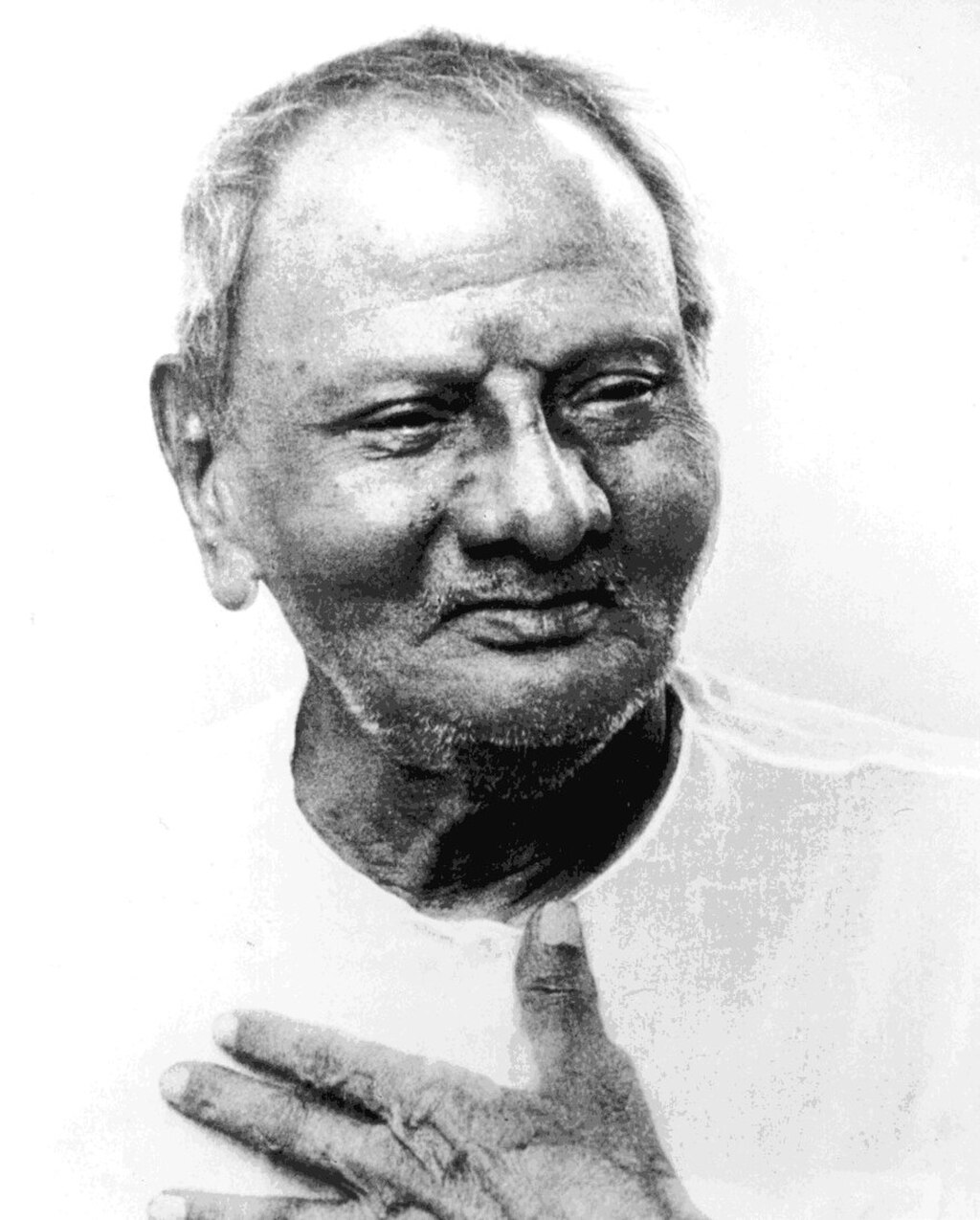
The Witness Within: Embracing the Essence of Being
Nisargadatta Maharaj's profound assertion, "You are the witness only. There is nothing for you to do," invites us to explore the essence of our existence beyond the incessant demands of doing. This statement challenges the very fabric of our conditioned lives, where we often equate our worth with our actions and accomplishments. By recognizing ourselves as mere witnesses, we are beckoned to a deeper understanding of being, one that transcends the noise of daily life and reveals the stillness at the core of our being.
This teaching resonates deeply in a world that often prioritizes action over presence, urging us to reconsider the nature of our identity. In a society that glorifies busyness and productivity, Maharaj's words serve as a gentle reminder that our true nature is not defined by what we do but by the awareness that observes all experiences. This shift from doing to being is not merely philosophical; it is a transformative journey that can lead to profound peace and clarity, allowing us to engage with life from a place of authenticity rather than obligation.
The image / the metaphor
The imagery of being a "witness" evokes a sense of detachment and observation, suggesting a role that is both passive and yet deeply engaged. The term "witness" implies a presence that is aware, alert, and observant without being entangled in the events that unfold. This distinction between the witness and the doer is crucial; it highlights the difference between our essence and the myriad activities that occupy our lives. The phrase "there is nothing for you to do" further emphasizes this point, inviting us to relinquish the burdens of expectation and the incessant need to control outcomes.
In the speaker's tradition
Nisargadatta Maharaj's teachings are rooted in the non-dual tradition, which emphasizes the unity of all existence and the illusory nature of separation. Concepts such as *sunyata* (emptiness) and *fana* (annihilation of the self) resonate with his assertion that we are merely witnesses. In this context, the witness is not a separate entity but an integral aspect of the universal consciousness that pervades all beings. This understanding aligns with the notion of *dharma*, where one's true duty is to realize the self beyond the confines of individual identity and to recognize the interconnectedness of all life.
In his seminal work, *I Am That*, Maharaj articulates the essence of self-realization, inviting seekers to look beyond the transient nature of thoughts and emotions. This echoes the teachings of other non-dual philosophers, such as Ramana Maharshi, who similarly emphasized the importance of self-inquiry and the recognition of the witness within. Both teachers guide us toward a profound understanding of our true nature, urging us to dissolve the illusion of separation and embrace the unity of existence.
Living the teaching
Consider a modern scenario where this teaching can be applied: a hectic day at work filled with deadlines and responsibilities. In the midst of the chaos, one might feel overwhelmed, believing that their worth is tied to their productivity. However, by embodying the role of the witness, one can step back and observe the unfolding events without becoming entangled in them. This shift allows for a more balanced perspective, where the individual recognizes that their essence is not diminished by external pressures, but rather illuminated by their capacity to witness the experience without judgment.
In relationships, this teaching can be particularly transformative. Imagine a moment of conflict with a loved one, where emotions run high and misunderstandings abound. By adopting the stance of the witness, one can observe their reactions and feelings without immediately reacting or defending. This practice fosters compassion and understanding, allowing space for genuine connection rather than reactive patterns. In both scenarios, the essence of being as a witness cultivates a profound sense of peace and clarity, enabling us to navigate life's complexities with grace.
A reflection
As we contemplate Nisargadatta Maharaj's words, we are invited to explore the nature of our own witnessing. How often do we find ourselves lost in the whirlwind of doing, forgetting the stillness that resides within? In moments of stress or overwhelm, we can ask ourselves: "What does it mean to simply witness this experience without the need to change it?" This question opens the door to a deeper understanding of our true nature, guiding us back to the essence of being that lies beyond the realm of action.


