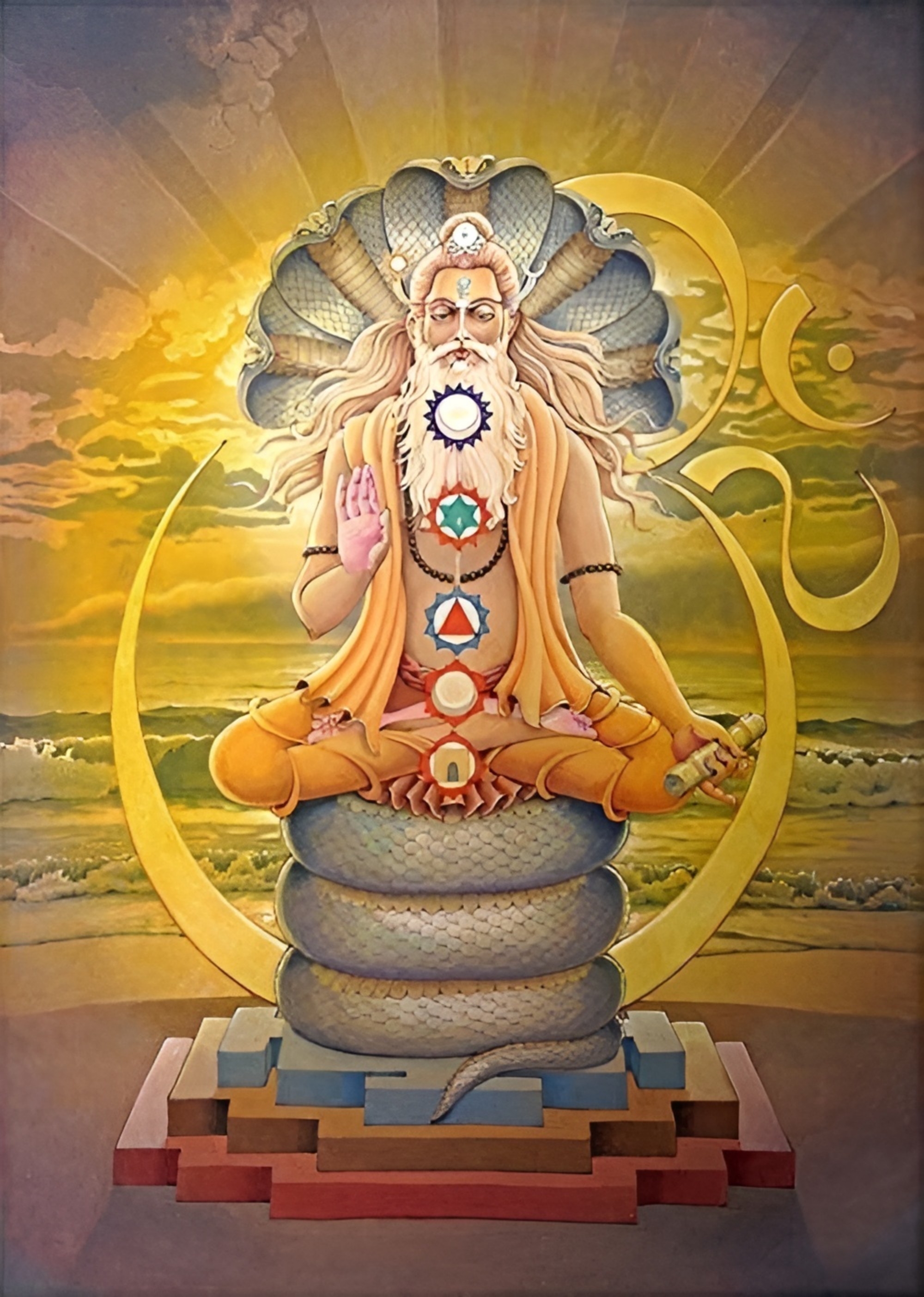
The Path of Devotion: Attaining Samadhi through Ishvara
Patanjali's assertion, "By devotion to Ishvara, samadhi is attained," invites us to explore the profound relationship between devotion and spiritual enlightenment. In this context, samadhi represents a state of deep meditative absorption, a union with the divine that transcends ordinary consciousness. The stakes are high: this quote suggests that our journey toward ultimate realization is not solely a matter of disciplined practice but is deeply intertwined with our capacity for devotion. Understanding this connection can illuminate our spiritual path and guide us toward a more profound experience of existence.
Delving deeper, we recognize that the term "Ishvara" refers to a personal aspect of the divine, a concept that resonates with many spiritual traditions. This devotion is not merely an act of worship; it is a heartfelt surrender to a higher power, a recognition of the interconnectedness of all life. In a world often dominated by individualism and self-reliance, Patanjali's words remind us of the importance of humility and the transformative power of love and devotion. This teaching encourages us to cultivate a relationship with the divine that nurtures our spiritual growth and leads us toward the ultimate goal of samadhi.
The image / the metaphor
The imagery in Patanjali's quote evokes a journey toward a sacred destination, where devotion serves as the vehicle that transports us to the state of samadhi. The verb "attained" suggests an active pursuit, a conscious effort to reach a profound state of being. Devotion, in this sense, is not passive; it requires engagement, intention, and a willingness to surrender to something greater than oneself. This dynamic interplay between the seeker and the divine creates a felt sense of movement, as if we are being drawn toward a luminous horizon where the self dissolves into the vastness of the universe.
Metaphorically, devotion can be seen as a bridge connecting the finite self to the infinite. It is through this bridge that we can traverse the chasm of separation, moving from the confines of ego to the expansive realm of unity. In this light, samadhi becomes not just a destination but a natural outcome of our sincere devotion. The more we cultivate our relationship with Ishvara, the more we align ourselves with the flow of existence, allowing the barriers of the self to dissolve and revealing the interconnected tapestry of life.
In the speaker's tradition
Patanjali's teachings are situated within the rich tradition of yoga, which encompasses a holistic approach to spiritual development. The concept of dharma, or righteous duty, plays a crucial role in this context, as it emphasizes the importance of aligning our actions with our higher purpose. Devotion, or bhakti, is a key aspect of this journey, inviting practitioners to cultivate love and surrender toward Ishvara. This relationship fosters a sense of kenosis, or self-emptying, allowing us to release our attachments and open ourselves to divine grace.
In the Yoga Sutras, Patanjali outlines various paths to spiritual realization, with devotion to Ishvara being one of the most accessible. This echoes the sentiments found in the Bhagavad Gita, where Krishna emphasizes the importance of surrendering to the divine will. The Gita teaches that through devotion and selfless action, one can attain liberation, mirroring Patanjali's assertion that samadhi is achieved through devotion. Both texts highlight the transformative power of love and surrender in the quest for spiritual awakening.
Living the teaching
Consider a modern scenario where an individual grapples with the pressures of daily life, feeling overwhelmed by responsibilities and expectations. In this context, the practice of devotion to Ishvara can serve as a sanctuary, a reminder to pause and reconnect with the divine. By dedicating moments of their day to prayer, meditation, or simply expressing gratitude, the individual can cultivate a sense of peace and clarity. This devotion becomes a source of strength, enabling them to navigate challenges with grace and resilience, ultimately guiding them toward a deeper experience of samadhi.
In relationships, the teaching of devotion can manifest as an act of love and surrender toward others. Imagine a moment of conflict where misunderstandings arise; instead of reacting with defensiveness, one might choose to embody devotion by approaching the situation with compassion and empathy. This shift in perspective allows for a deeper connection, fostering understanding and healing. By recognizing the divine presence in others and surrendering to the flow of love, we can transform our interactions and cultivate a sense of unity that reflects the essence of samadhi.
A reflection
As we contemplate Patanjali's profound assertion, we are invited to reflect on our own relationship with devotion. How can we deepen our commitment to Ishvara in our daily lives? In what ways might our devotion serve as a bridge to greater understanding and connection, both within ourselves and with the world around us? This inquiry encourages us to explore the transformative power of love and surrender, guiding us toward the ultimate realization of samadhi.


